
Last updated September 22, 2026
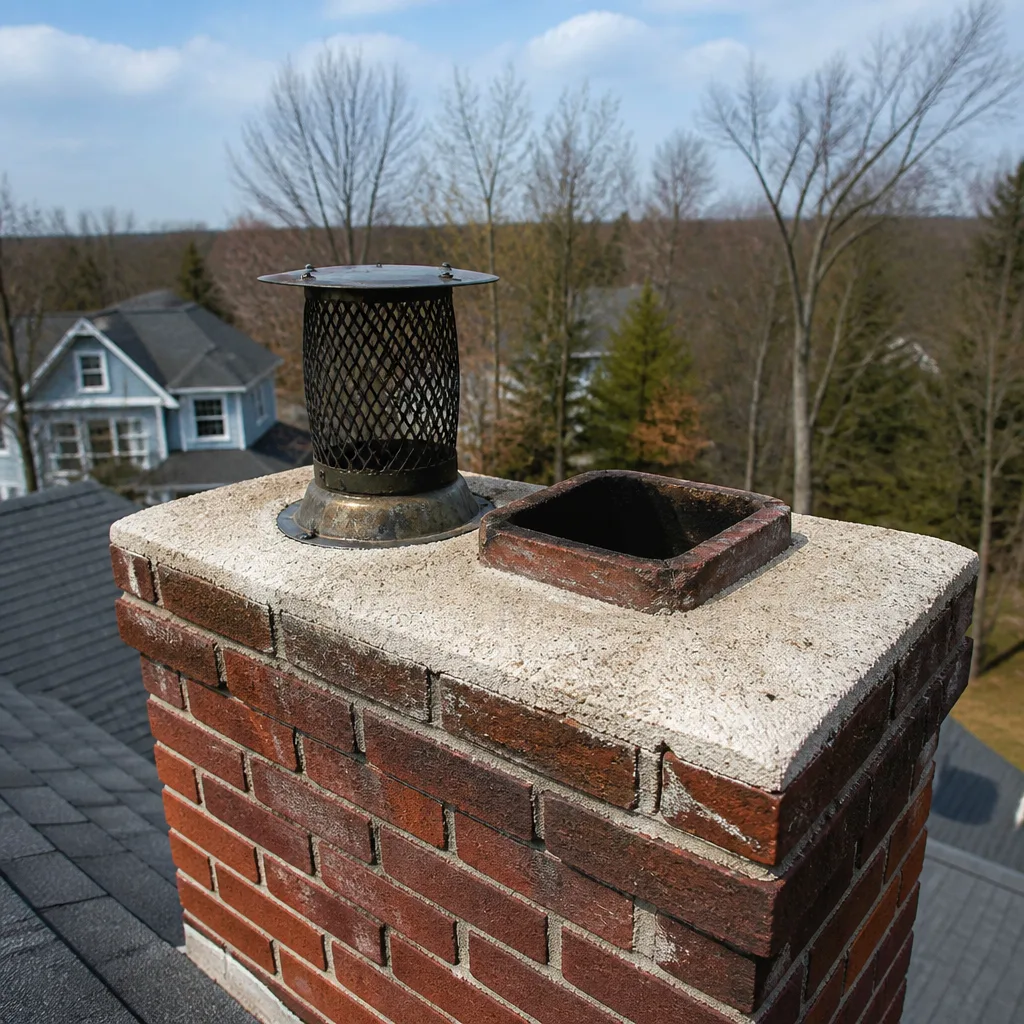
Level 1 sweep and inspection to the NFPA 211 annual standard - flue, crown, cap, and flashing checked and photographed
Chimney sweep logs do not sweep chimneys. They loosen some creosote - which then falls where a brush and vacuum still have to collect it.
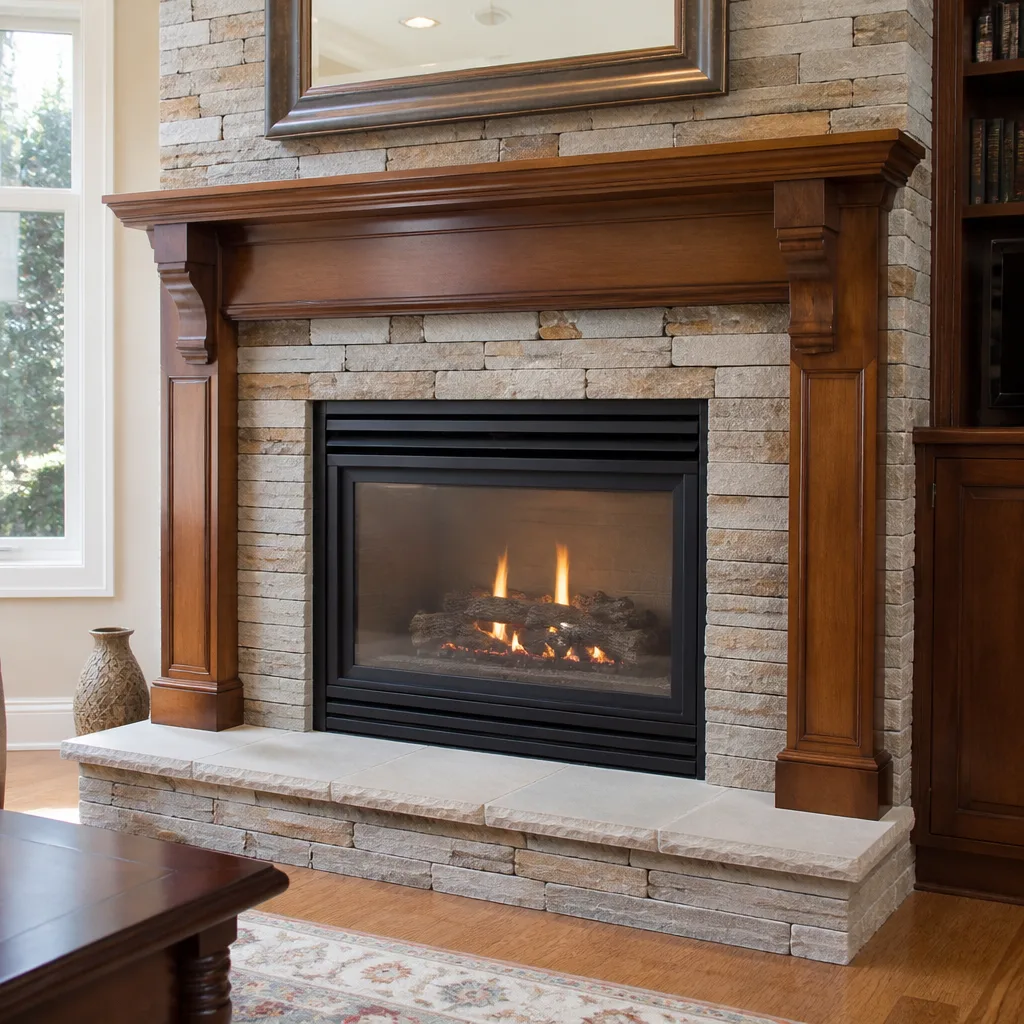
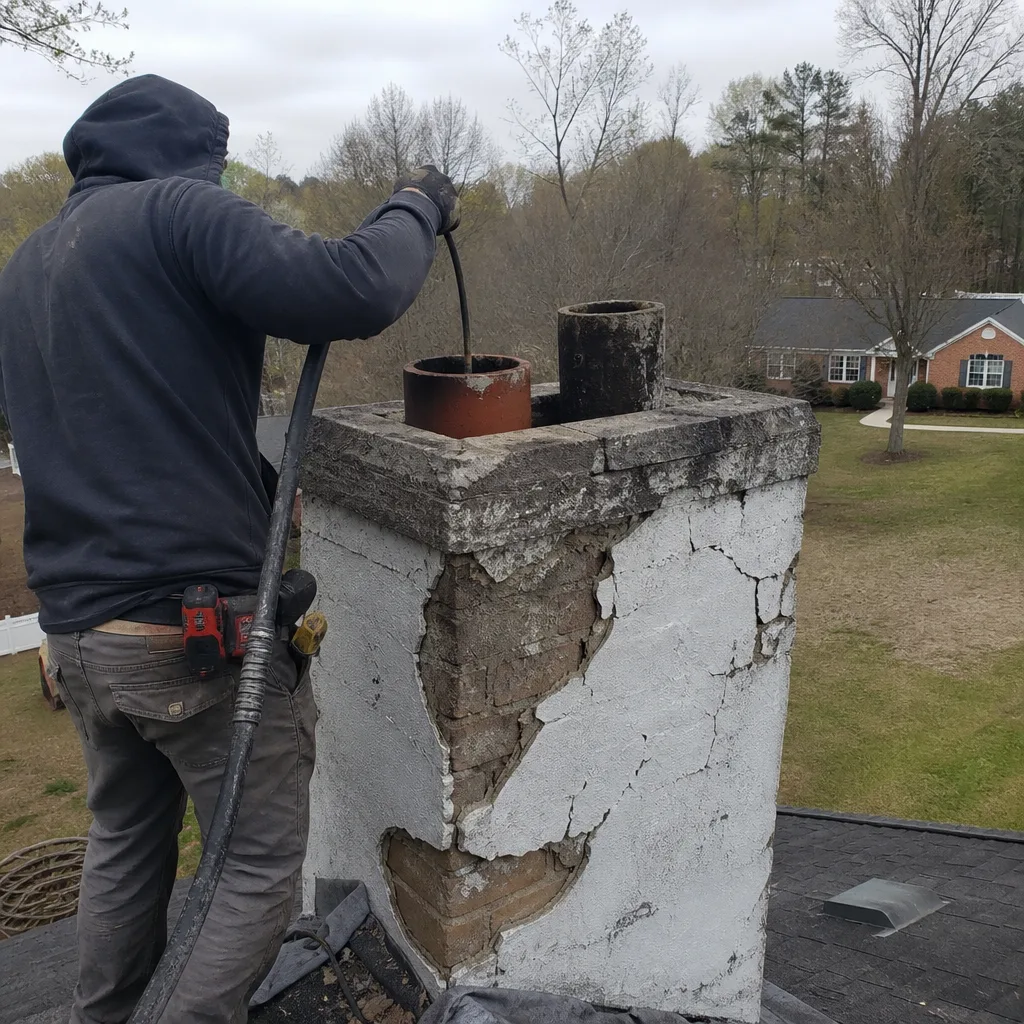 Before
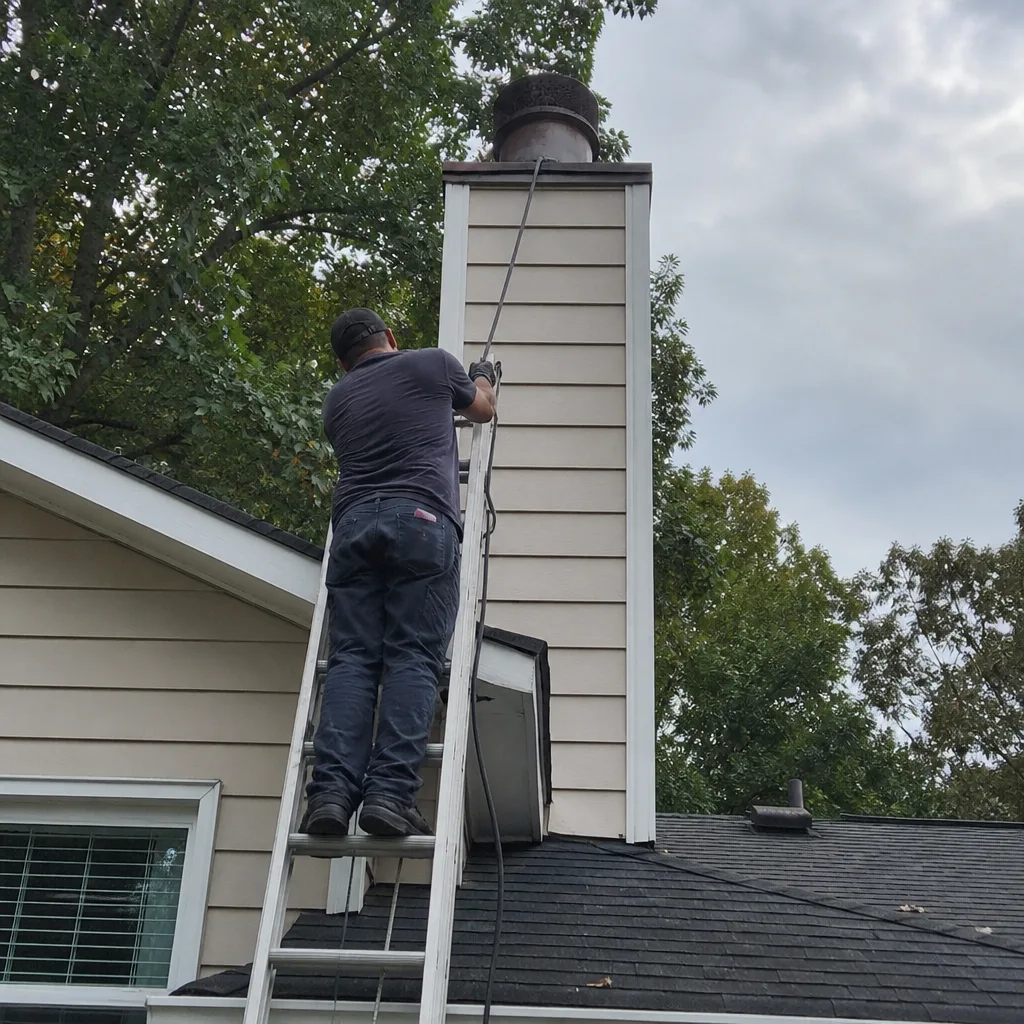 After
After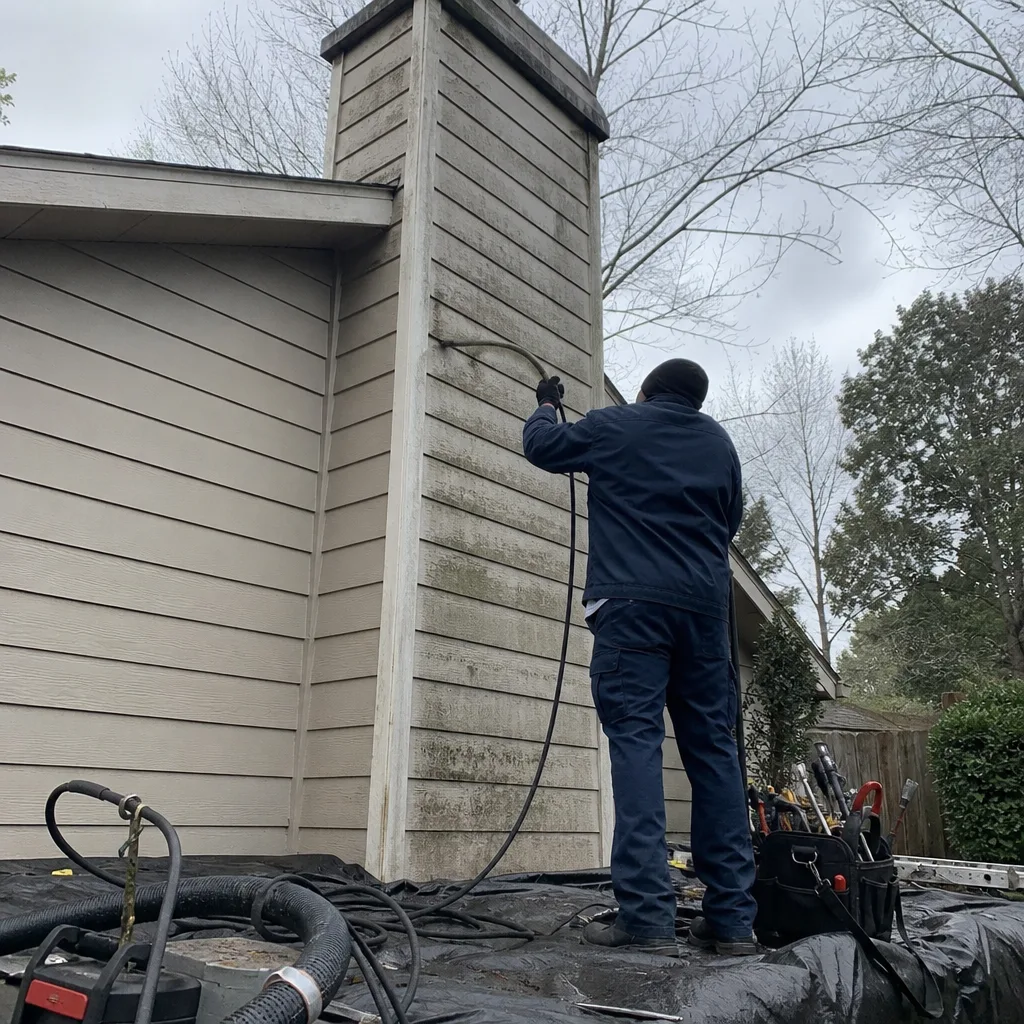 Before
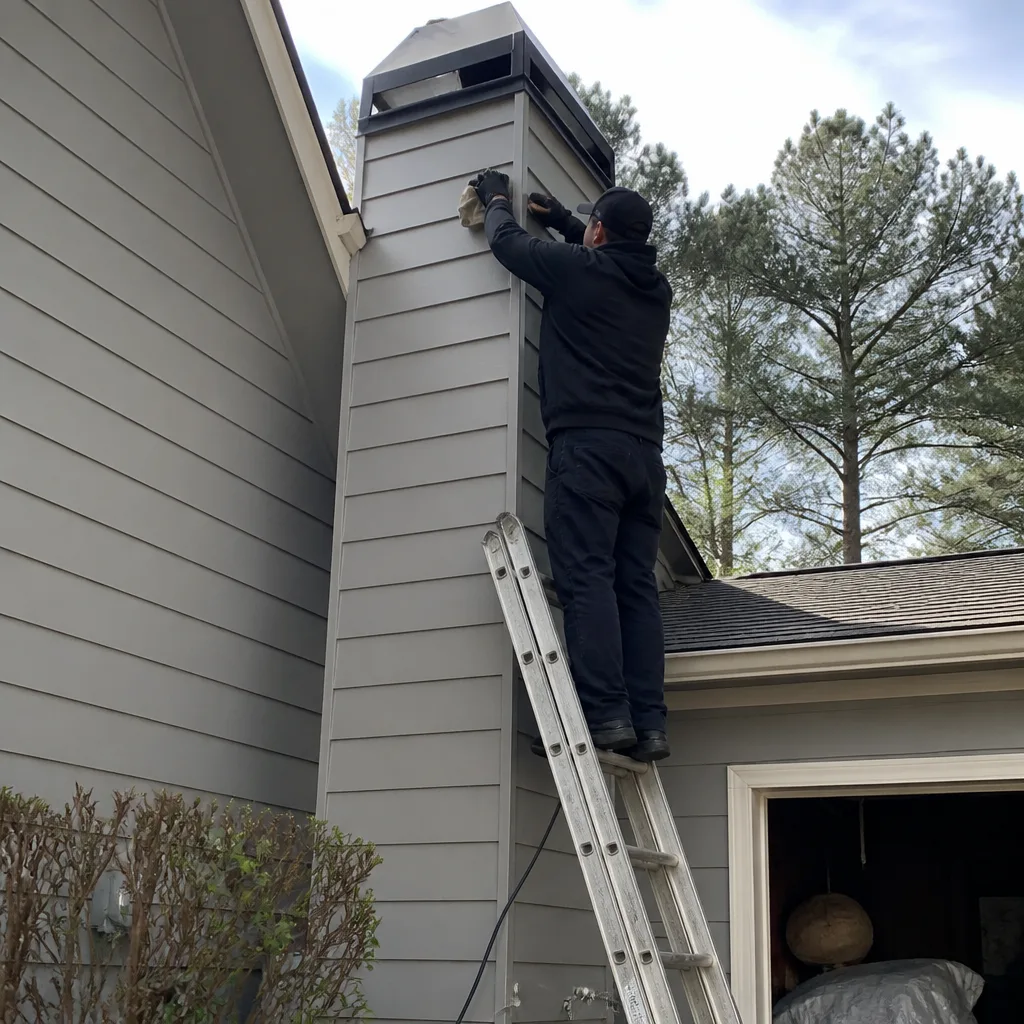 After
After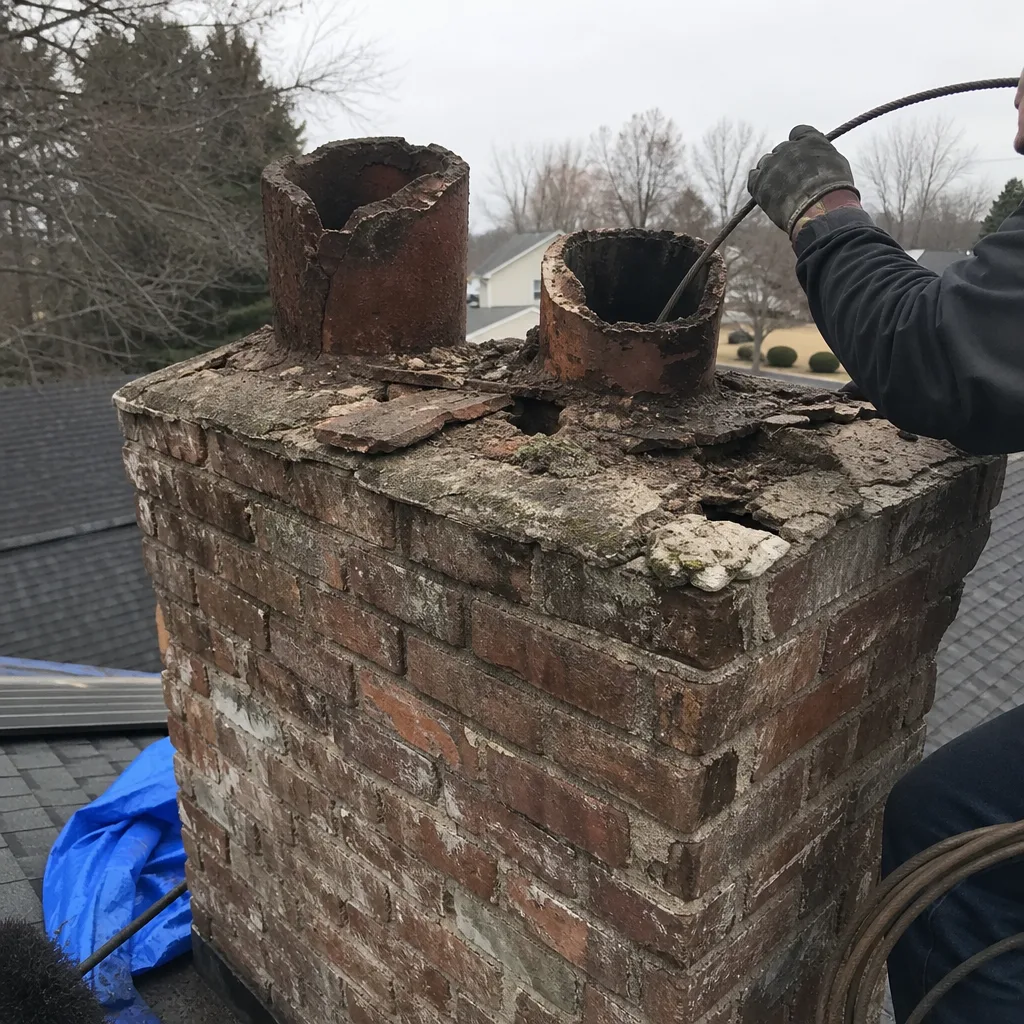 Before
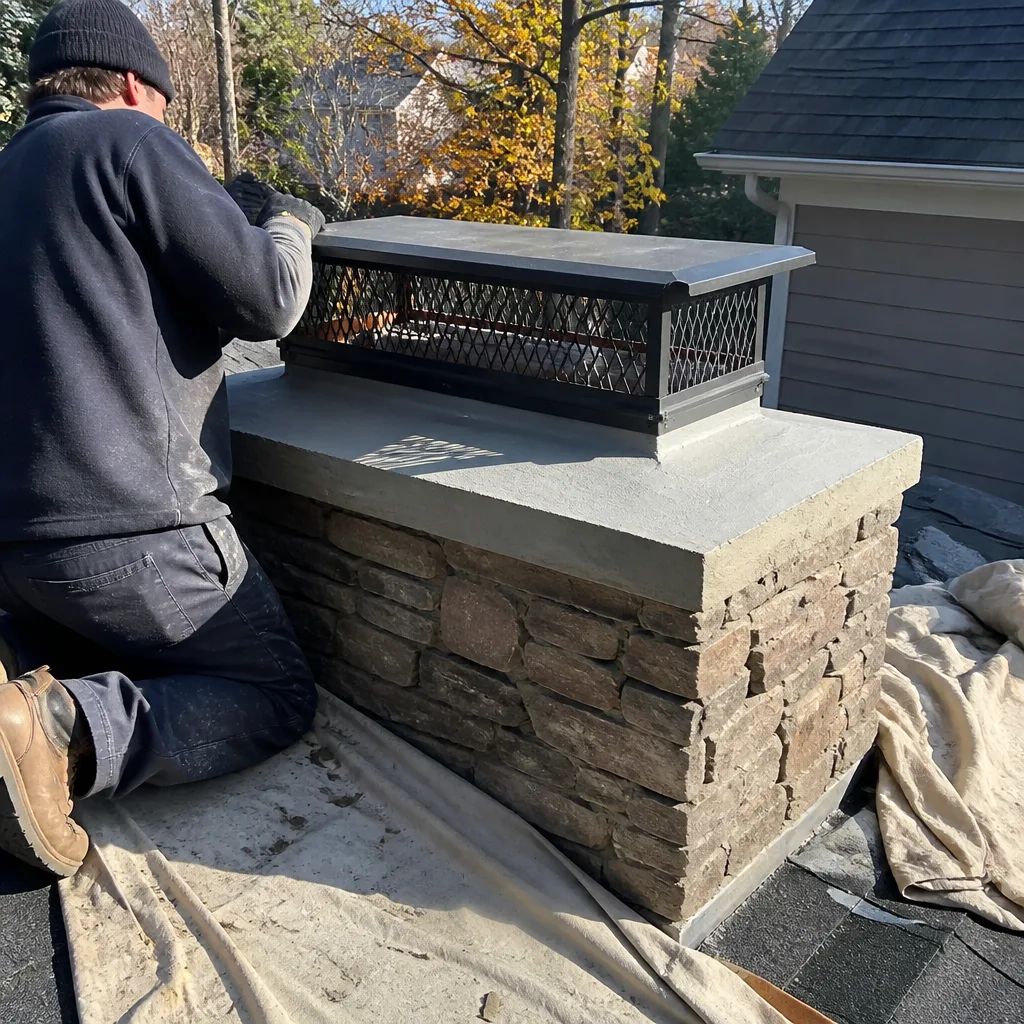 After
AfterDIY vs Professional Chimney Cleaning: The Kennesaw Homeowner’s Decision Guide
You can buy a chimney brush at the Kennesaw Home Depot on Barrett Parkway, run it down your flue, and pull out a satisfying pile of black debris. Most homeowners who’ve done this believe they’ve cleaned their chimney. In our experience inspecting over 38,000 chimneys since 2009, the brush often skips glazed second-degree creosote deposits hiding below the smoke shelf, and the $40 hardware-store inspection camera produces footage too grainy to resolve hairline liner cracks that separate a safe flue from a fire hazard. This guide draws a different line than most: the question isn’t whether you can clean your chimney yourself. It’s whether you can document that it’s actually clean, and whether that documentation will matter when it counts.
Quick Answer
Homeowners in Kennesaw can safely handle firebox ash removal, damper maintenance, and visual exterior checks themselves. Anything involving the flue liner, smoke chamber, or roofline requires professional-grade camera equipment and written documentation to satisfy insurance requirements and NFPA 211 safety standards. A professional chimney sweep in Kennesaw typically costs $180-$320 and includes a Level 2 camera inspection with photo record, which is what carriers expect to see after a chimney fire claim. For a detailed Chimney Cleaning Cost Breakdown: The Kennesaw Homeowner’s Reference for 2026, see our dedicated guide.
Table of Contents
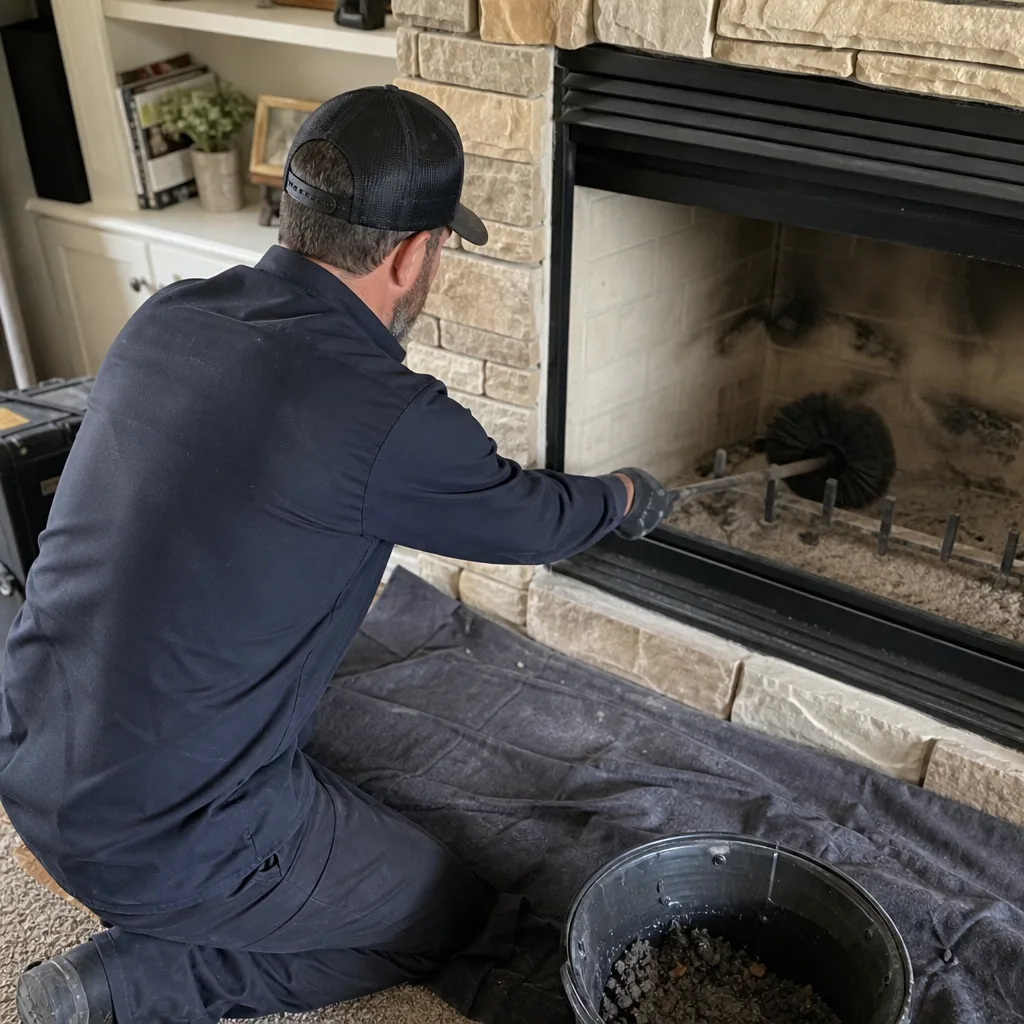
- What Homeowners Can Legitimately Do Themselves
- The Equipment Gap: Why Your Hardware-Store Camera Isn’t Enough
- The Creosote Stage Test: When DIY Is Even an Option
- How DIY Cleaning Affects Your Insurance Position
- A Decision Framework: When DIY Makes Sense and When It Doesn’t
- What Professional Service Actually Delivers in Kennesaw
- Kennesaw-Specific Factors: Climate, Code, and Construction
- Cost Breakdown: DIY Expenses vs. Professional Service
 Before
 After
AfterWhat Homeowners Can Legitimately Do Themselves
There are three chimney maintenance tasks that don’t require roof access, specialized optics, or liability exposure. We encourage Kennesaw homeowners to handle these between professional visits. Doing so keeps your system functional and gives you early warning signs of problems that need documentation.
Firebox ash removal. Wait 24 hours after your last fire. Wear an N95 mask, the ash is alkaline and lung-irritating. Scoop cooled ash into a metal bucket with a tight lid, never plastic. Store it outside on concrete, away from the house, for at least three days before disposal. In Kennesaw’s humid climate, damp ash compacts and holds moisture against firebrick, accelerating spalling, that’s the flaking you see on deteriorating brick faces.
Damper maintenance. Open and close your throat damper monthly during burning season. If it sticks, clean the track with a wire brush and apply a high-temperature lubricant, we use HeatShield products in our repair work, available to consumers in smaller quantities. A stuck damper wastes heated air or traps smoke. Never force a seized damper, the cast iron frame cracks easily and replacement runs $340-$580 installed.
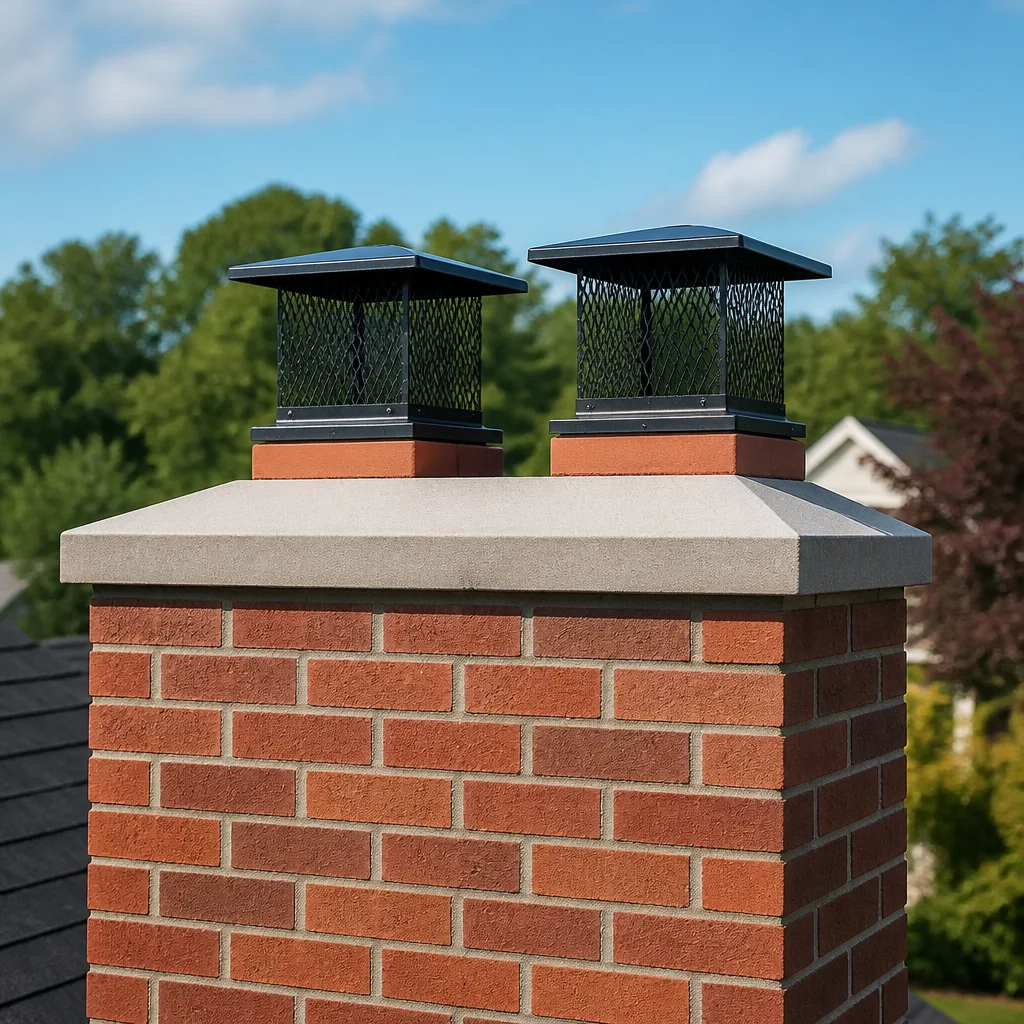
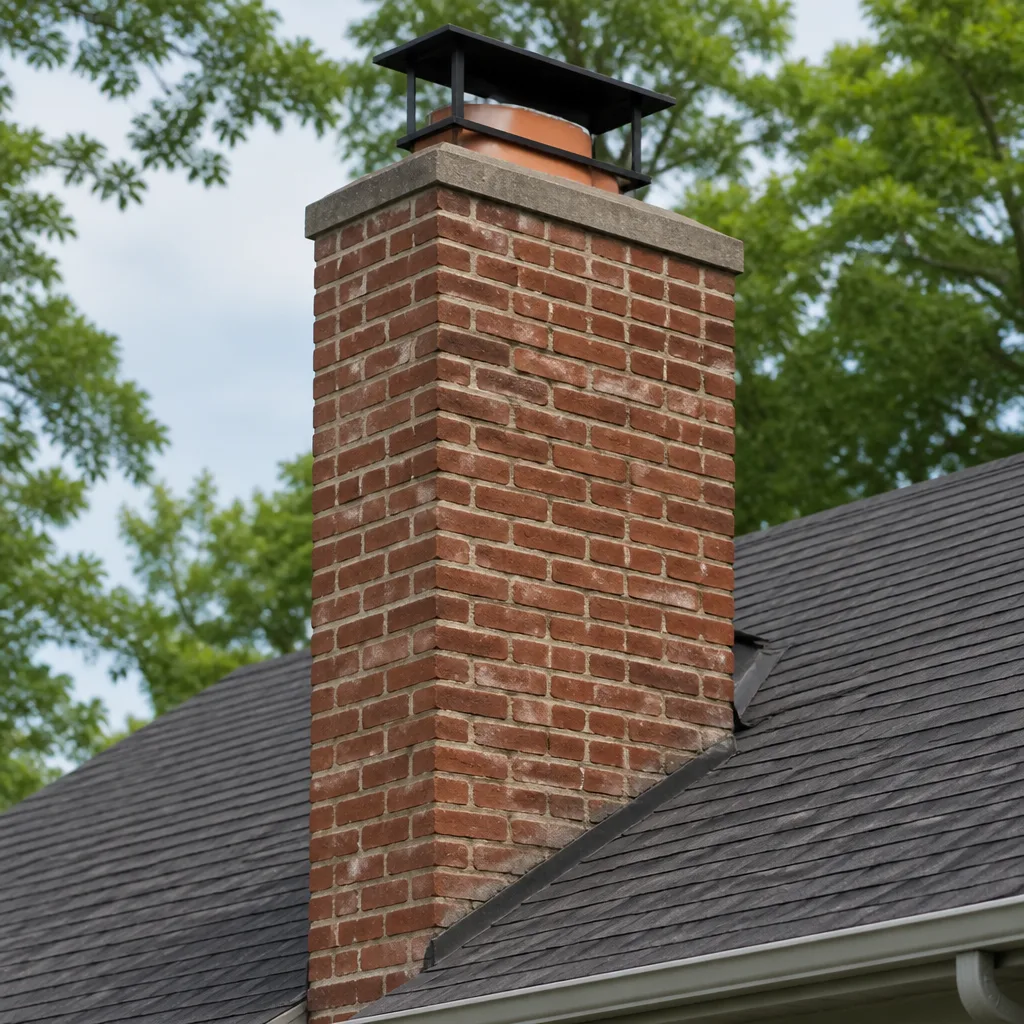
Visual cap and crown check from ground level. Use binoculars. Look for missing mesh on the cap, gaps between cap and flue tile, or visible cracks in the crown’s surface. In Kennesaw’s tree-dense neighborhoods like Legacy Park or Barrett Greene, caps clog with leaves and invite animal entry. Squirrel nests in flues spike every October. If you see daylight through the mesh or gaps at the flue joint, that’s your signal to call for documented inspection, not to climb up and verify.
What these three tasks share: they don’t alter the system’s safety documentation, they don’t require interpreting what you can’t see, and they don’t expose you to fall risk or carbon monoxide release.
The Equipment Gap: Why Your Hardware-Store Camera Isn’t Enough
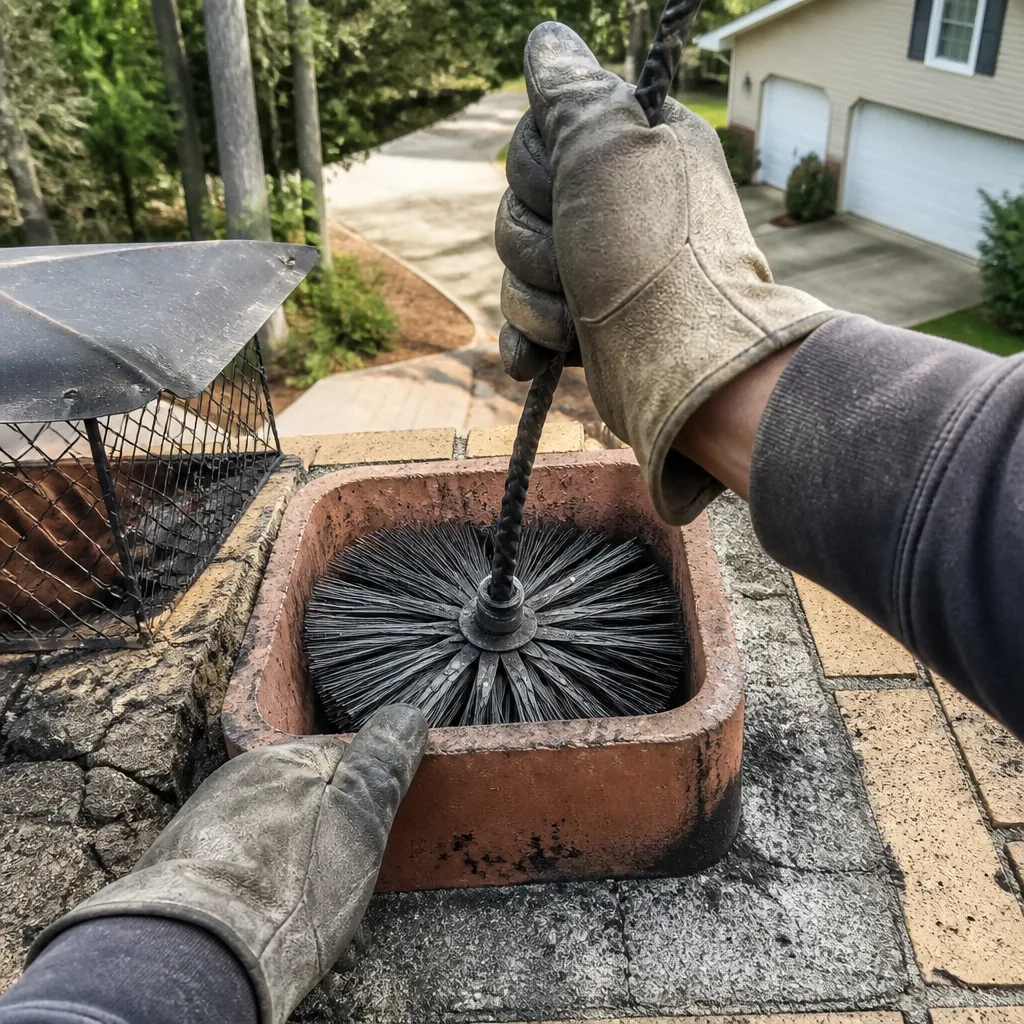
The inspection camera sold at hardware stores records at 720p resolution with a fixed focal length and no articulating head. Professional chimney inspection systems, the kind we’ve used since 2009 when we made camera documentation standard under what became Haven Standard Clause 4, record at 1080p minimum with LED arrays that adjust to flue diameter and articulating heads that pan 360 degrees at the smoke shelf.
Here’s what that resolution difference actually means in a Kennesaw flue:
- Hairline liner cracks: A 720p camera resolves cracks at 1/16 inch or wider. A professional system resolves cracks at 1/32 inch. The difference is the gap between “looks fine” and “liner requires HeatShield relining or DuraFlex stainless steel replacement before next burning season.”
- Glazed creosote identification: Hardware-store cameras show blackness. Professional optics show reflectivity differences that distinguish first-degree soot (brushable), second-degree glazed deposits (requires rotary chemical treatment), and third-degree tar-like buildup (requires aggressive mechanical removal, often with liner replacement).
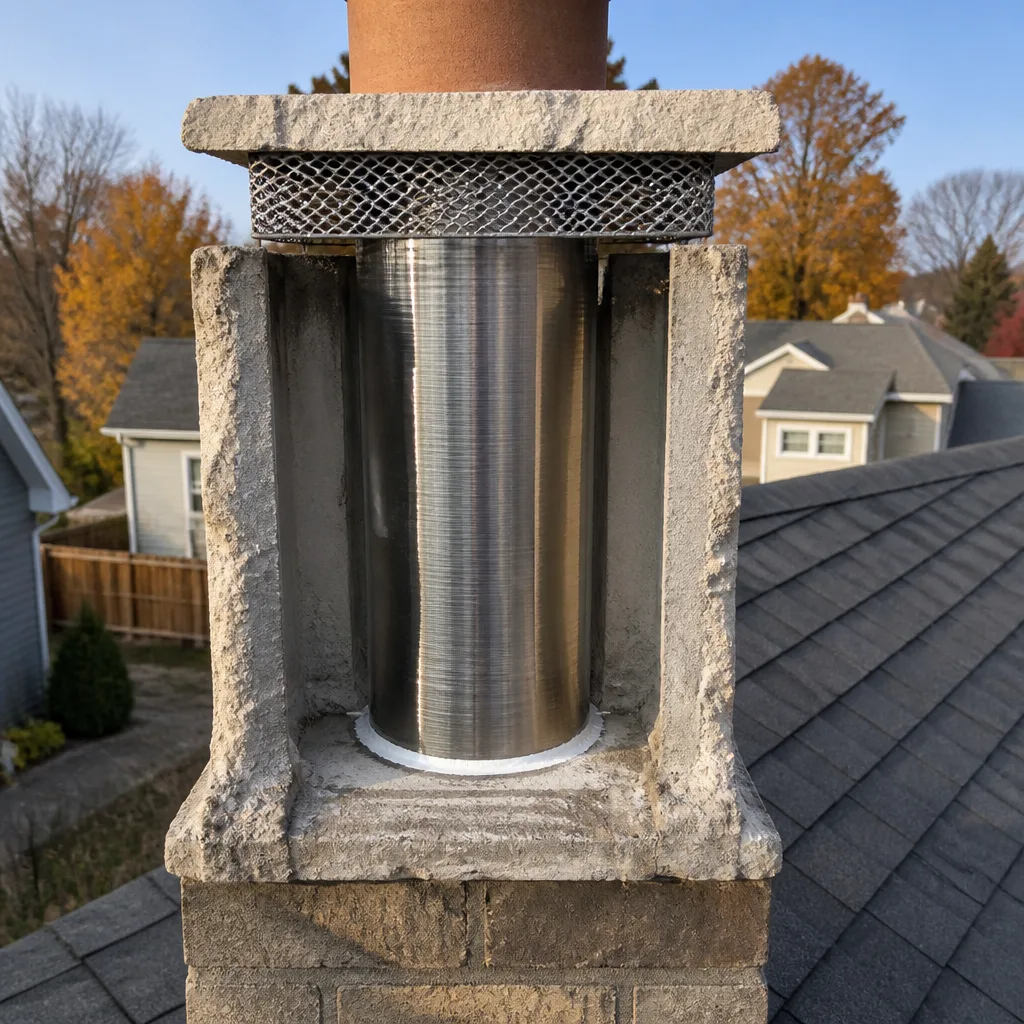
- Smoke chamber evaluation: The smoke chamber, that sloped area above the damper, is where most chimney fires start. It’s also where the camera angle matters most. Fixed-head consumer units can’t angle upward to inspect the chamber walls for corbel joint gaps or parging loss. Our systems do, and we photograph every square inch.
- Footage authentication: Insurance adjusters and home inspectors in Cobb County recognize professional camera metadata, time stamps, and the standardized reporting format that comes with certified chimney sweep documentation. Consumer footage lacks this chain of custody.
In 2019, we inspected a chimney in the Kennesaw’s Stilesboro area where the homeowner had cleaned annually with a brush kit for six years. Our camera found a vertical crack in the terracotta liner, three courses below the smoke shelf, that had opened to 3/8 inch. The homeowner’s $45 camera had passed over it a dozen times. The gap was allowing combustion gases to migrate into the chimney wall cavity. No brush kit finds that. No consumer camera documents it. The repair required a DuraFlex stainless steel liner at $2,800, but the alternative was a structure fire or carbon monoxide intrusion into the bedroom above.
The Creosote Stage Test: When DIY Is Even an Option
Not all creosote responds to brushing. Before you decide whether DIY cleaning is viable, you need to identify what stage of deposit you’re dealing with. This determines whether a brush will work, whether chemical treatment is needed, or whether the liner itself is compromised.
Stage 1: Soot (first-degree creosote). Dry, black, powdery. Brushes off easily with a poly or wire brush. This is what most Kennesaw homeowners with gas inserts or occasional wood fires see. If your chimney has been professionally inspected within 24 months and you’re burning seasoned hardwood less than 30 times per season, Stage 1 is likely what you’ll find. DIY brushing is physically possible here, though it still produces no documentation.
Stage 2: Glazed creosote. Shiny, hard, black or brown, like obsidian. Forms when wood burns incompletely and vapors condense on cooler flue surfaces. This is common in Kennesaw’s shoulder seasons, October and March, when homeowners build smaller, cooler fires. A standard brush skips over glazed deposits. They require rotary cleaning with chemical applicators, magnesium-based powders that react with the glaze to break its bond. The equipment runs $400-$600 for consumer-grade rotary systems, and improper application can damage clay liners or leave active chemical residue that corrodes stainless steel.
Stage 3: Tar-like buildup. Thick, dripping, highly concentrated. Indicates chronic poor burning habits, unseasoned wood, or appliance misfit. Stage 3 creosote is the fuel source for chimney fires exceeding 2,000 degrees. It cannot be brushed. It cannot be chemically treated in place safely. It requires aggressive mechanical removal, often with partial liner replacement, and always with root-cause analysis of why it formed. We see Stage 3 in Kennesaw’s older homes, pre-1990 construction with oversized masonry fireplaces now fitted with insert stoves that never drafted properly.
How to test what you have: Put on gloves and reach up past the damper with a flathead screwdriver. Lightly scrape the flue wall. If the material flakes off like charcoal, you’re at Stage 1. If it chips in hard, shiny fragments, you’re at Stage 2. If it smears like tar or requires force to indent, you’re at Stage 3. Stage 2 and 3 require professional equipment and documentation. Stage 1 is the only candidate for DIY, and even then only with recent professional confirmation that no underlying liner damage exists.
How DIY Cleaning Affects Your Insurance Position
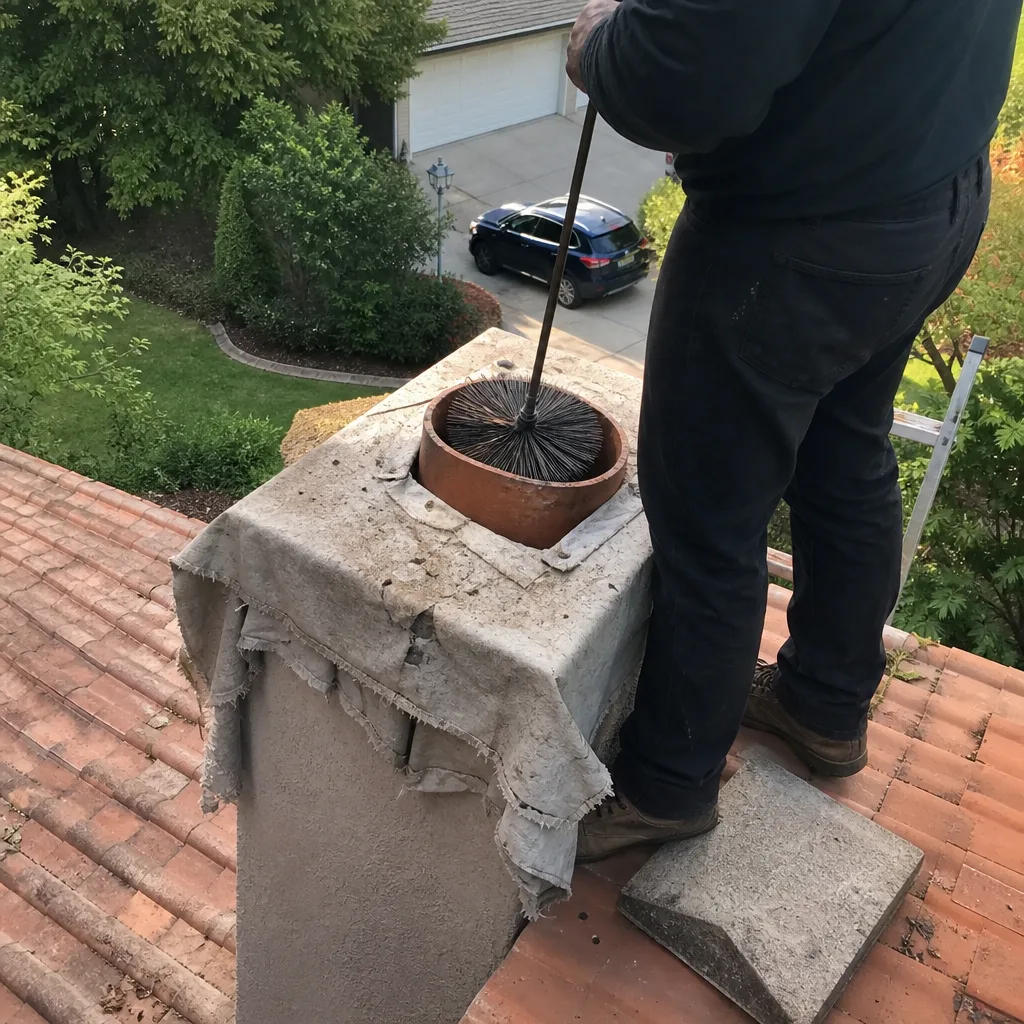
This is where the documentation question becomes concrete. After a chimney fire, your homeowner’s insurance carrier will request maintenance records. What you provide, or fail to provide, shapes whether your claim is paid, reduced, or denied.
Most carriers writing policies in Cobb County, including the major names we see on Kennesaw homeowner declarations pages, follow NFPA 211 guidelines as their baseline expectation. The standard requires annual inspection for active wood-burning systems and cleaning when creosote exceeds 1/8 inch accumulation. Critically, it specifies that inspection must be documented by a qualified professional.
A self-cleaned flue falls into a gray zone that insurers increasingly treat as inadequate maintenance. In 2022, we provided expert documentation for a Kennesaw homeowner in the Due West area whose carrier initially denied a $47,000 claim after a chimney fire spread to the attic. The homeowner had cleaned the flue himself for three years, with dated photos on his phone. The adjuster’s position: consumer-grade photos don’t establish professional qualification, inspection scope, or equipment calibration. We provided our prior Level 2 inspection record from 2019, which showed a sound liner at that time, and the carrier reopened the claim. Without that professional documentation trail, the homeowner would have absorbed the loss.
The trend is toward stricter documentation requirements. Several carriers now explicitly exclude chimney fire claims where the insured cannot produce inspection records from a certified sweep within 12 months of the incident. DIY cleaning doesn’t satisfy this. It doesn’t establish professional qualification. It doesn’t prove inspection scope included the liner, smoke chamber, and exterior. It doesn’t create the authenticated photo record that Haven Standard Clause 4 has required on every one of our jobs since 2009.
If you burn wood regularly in Kennesaw, your insurance position depends on documentation you can produce after the fire, not on your confidence that you cleaned it adequately before.
A Decision Framework: When DIY Makes Sense and When It Doesn’t
Use these four factors to decide whether DIY cleaning is responsible for your situation. Score honestly. Any “no” or “unknown” in factors 1, 2, or 4 points toward professional service.
Factor 1: Last professional inspection date.
Has a certified sweep performed a Level 2 camera inspection within 24 months? Not a flashlight look, not a “chimney check” from your home inspector at purchase. A full camera scan with photo documentation. If no, you don’t have baseline knowledge of liner condition. DIY cleaning on an unknown liner risks masking or worsening hidden damage.
Factor 2: Flue age and material.
Clay tile liners in homes built before 1985 in Kennesaw are reaching end of functional life. Thermal cycling from 40+ Georgia winters causes tile delamination and mortar joint erosion. Stainless steel liners, common in relining work we do with DuraFlex and Olympia Chimney materials, last longer but still require weld-seam inspection. If you don’t know your liner material and its installation date, you don’t know what you’re brushing against.
Factor 3: Burning frequency and wood type.
Occasional fires, fewer than 20 per season, with seasoned oak or hickory from local Kennesaw suppliers, produce minimal creosote. Daily fires with pine, construction scrap, or unseasoned wood produce heavy deposits and likely Stage 2 or 3 buildup. Be honest about your habits. The homeowner who burns daily “but only small fires” often produces more creosote than the intermittent user who loads the firebox full.
Factor 4: Physical access and comfort.
Roof work on Kennesaw’s common 6/12 to 8/12 pitch roofs, especially with Georgia’s morning dew or after rain, is genuinely dangerous. Chimney brushes require downward pressure from the top for effective flue wall contact. If you’re not comfortable on a roof with fall protection, you’re not completing a proper cleaning regardless of equipment. And if you do fall, your homeowner’s liability position is complicated by work typically requiring licensing.
When DIY is reasonable: All four factors score positively, you’re at Stage 1 creosote by screwdriver test, and you accept that you’re performing maintenance without creating insurance documentation. Treat it as interim care between professional cycles, not a replacement.
When professional service is required: Any factor scores negatively, you’re at Stage 2 or 3, or you need documentation for insurance, real estate transaction, or warranty compliance. This describes most Kennesaw homeowners we serve.
What Professional Service Actually Delivers in Kennesaw
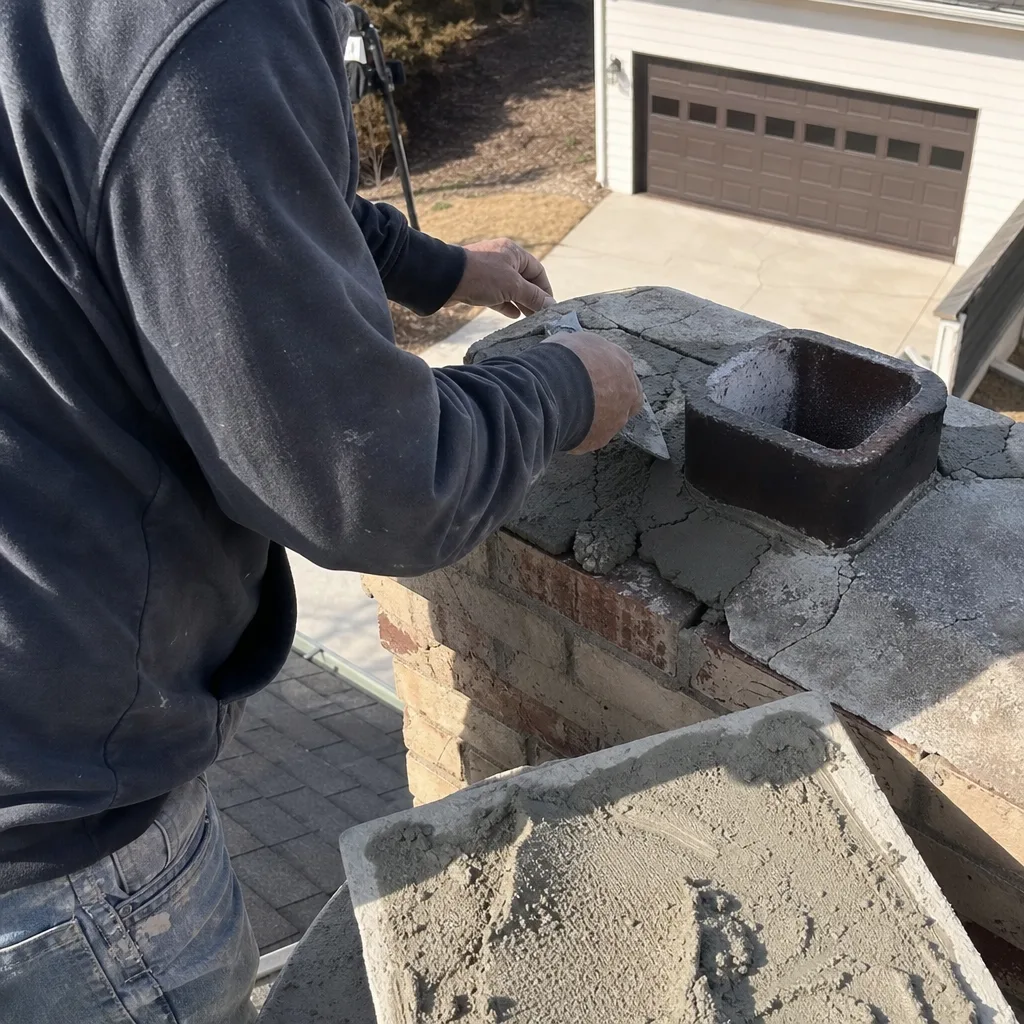
A professional chimney sweep in Kennesaw should deliver more than a clean flue. The service should create a documented record of system condition that protects you financially and physically. Here’s what that looks like when done to the standard we established.
Pre-work documentation. Before any brush touches your flue, you receive a written price, written scope, and written warranty. Haven Standard Clause 1 requires this. No exceptions. The price isn’t a range that balloons once the tech is inside. It’s a fixed figure for defined work. If additional conditions are found during inspection, they’re documented with photos and presented as a separate written option before proceeding.
NFPA 211 Level 2 inspection. This means camera examination of the full flue length, smoke chamber, firebox, and accessible exterior. We use systems that record 1080p footage with adjustable LED arrays for varying flue diameters. The camera head articulates to inspect corbel joints and damper seating. Every frame is archived.
Photo record delivery. Haven Standard Clause 4, the practice we made standard in 2009, requires a documented photo record on every job. You receive dated images of flue condition before and after cleaning, liner integrity, crown and cap status, and any recommended repairs. This record belongs to you. It satisfies insurance requirements, supports home sale disclosures, and establishes baseline condition for future comparison.
Cleaning with appropriate methods. Stage 1 soot receives rotary or manual brushing with HEPA-contained debris removal. Stage 2 glazed deposits receive chemical rotary treatment with magnesium-based powders, then mechanical removal. Stage 3 requires aggressive removal, often with liner evaluation for replacement. The method matches the condition, not a one-size-fits-all brush pass.
Post-work reporting. You receive a written condition assessment, cleaning verification, and any repair recommendations with priority ranking. We specify what can wait, what should be addressed before next season, and what requires immediate attention. No scare tactics. The photos show what we found. Our written explanation tells you what it means.
Follow-through protection. The 365-Day Done Right Promise applies to every job. If our cleaning or documentation is deficient, we return and correct it. Free second opinions on any competitor’s written estimate are always available, bring us their scope and price, we’ll review it against what we see in your flue.
Chimney Cleaning & Sweep in Kennesaw from Level Two Chimney Kennesaw includes all of these elements as standard, not upgrades.
Kennesaw-Specific Factors: Climate, Code, and Construction
Kennesaw’s position in north Cobb County creates chimney conditions that differ from coastal Georgia or mountain regions. Understanding these local factors helps explain why documentation matters here specifically. For more guides & resources on protecting your Kennesaw home, visit our blog.
Humidity and freeze-thaw cycling. Kennesaw averages 50+ inches of annual rainfall and sees 15-20 freeze-thaw cycles per winter. Masonry chimneys absorb moisture, which expands when frozen. This spalls brick faces and erodes mortar joints. A visual exterior check from the ground won’t reveal crown cracks that channel water into the chimney structure. Only camera inspection of the flue interior shows whether moisture intrusion has degraded the liner or rusted a metal chimney’s weld seams.
Wood species and burning habits. Kennesaw’s tree canopy is heavy with oak, hickory, and pine. Homeowners who burn fallen wood from their property often mix species improperly. Pine and unseasoned oak produce heavy creosote. The local firewood market, suppliers around Bells Ferry Road and north toward Acworth, sells seasoned hardwood, but “seasoned” is inconsistently defined. We see chimneys in Kennesaw’s older neighborhoods, around Main Street and Cherokee Street, with Stage 2 buildup from well-intentioned homeowners burning wood they believed was ready.
Construction era and code evolution. Homes built before 1990 in Kennesaw often have unlined masonry chimneys or clay tile liners installed to standards that predate current NFPA requirements. The 1984 Georgia amended residential code, applicable to much of Kennesaw’s housing stock, didn’t mandate stainless steel liners for wood-burning inserts. Retrofit installations from the 1990s and 2000s sometimes used aluminum flex liner, now known to corrode rapidly with modern EPA-certified stoves that burn cooler and produce more acidic condensate. Camera inspection identifies these legacy installations before they fail.
Insurance market specifics. Cobb County’s homeowner insurance market has tightened since 2020, with several carriers reducing exposure or requiring more rigorous documentation for fire claims. Kennesaw homeowners renewing policies report increased scrutiny of chimney maintenance records. A documented professional inspection record from Level Two Chimney Kennesaw, with authenticated photo archive under Haven Standard Clause 4, satisfies this scrutiny in ways DIY maintenance cannot.
Neighborhood tree density. Areas like Legacy Park, Barrett Greene, and neighborhoods east of Wade Green Road experience significant leaf and needle drop. Uncapped flues or damaged mesh screens clog quickly. Annual professional inspection verifies cap integrity and documents clearance. We’ve found squirrel, raccoon, and bird nesting in Kennesaw chimneys every fall, the animals don’t distinguish between DIY-maintained and professionally serviced flues, but the professional inspection finds the evidence before you light the first fire.
Cost Breakdown: DIY Expenses vs. Professional Service
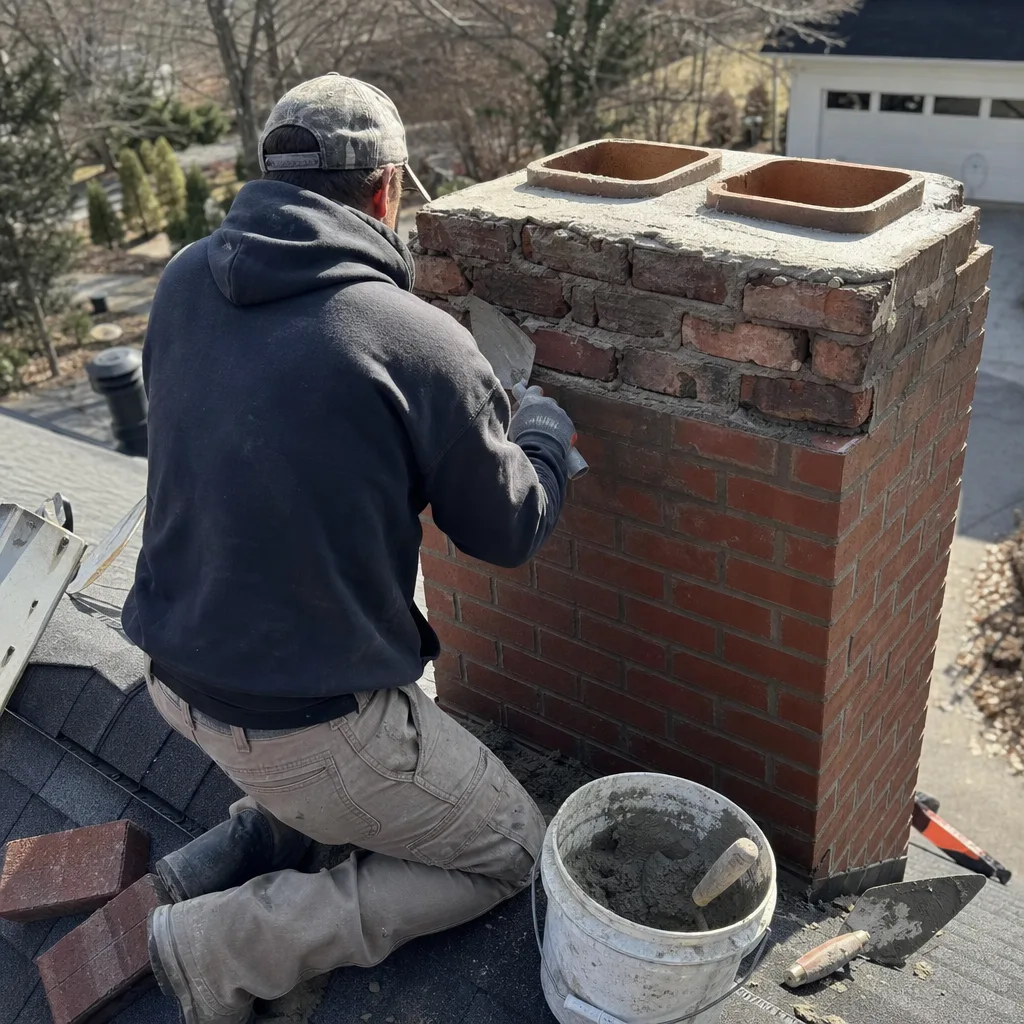
DIY chimney cleaning isn’t free. The equipment gap we described earlier means responsible DIY requires more than a $25 brush. Here’s an honest accounting of what each path costs in the Kennesaw market.
| Item | DIY Cost | Professional Cost |
|---|---|---|
| Basic brush and rod kit | $25-$45 | Included in service |
| Rotary cleaning system (for Stage 2) | $350-$600 | Included in service |
| Inspection camera, consumer grade | $40-$120 | Professional system, included |
| Chemical treatment (magnesium powder) | $50-$80 per application | Included when needed |
| HEPA vacuum for debris containment | $150-$300 | Included in service |
| Roof safety equipment (harness, anchor) | $200-$400 | Not applicable, techs equipped |
| Professional chimney sweep, Kennesaw area | N/A | $180-$320 |
| Level 2 camera inspection with photo record | N/A | Included, not extra |
| Written scope, price, and warranty | N/A | Included, Haven Standard Clause 1 |
| Insurance-accepted documentation | N/A | Included, Haven Standard Clause 4 |
The DIY path to equipment parity with professional service runs $815-$1,545 for initial purchase, assuming you buy quality equipment and don’t damage your liner with improper technique. That purchases capability for one chimney, with no training, no calibration verification, and no insurance-recognized documentation. Professional service at $180-$320 delivers equivalent or superior equipment, trained operation, and authenticated records.
For Kennesaw homeowners who burn wood occasionally and have recent professional baseline documentation, a basic brush kit for interim Stage 1 maintenance isn’t irrational. It’s simply not a substitute for the documented inspection cycle that protects your insurance position and verifies system integrity.
Common Mistakes to Avoid
- Assuming a clean brush means a clean flue. Brushes contact the flue centerline and miss deposits at the corners of square tile liners or behind corbel projections. In Kennesaw’s clay tile liners, the bottom corners accumulate heavy creosote that brushes skip entirely. Only camera verification confirms complete removal.
- Using a shop vacuum without HEPA containment. Standard shop vacs blow fine particulate through the exhaust. Creosote particles are carcinogenic and respiratory irritants. Professional systems use HEPA containment with negative air pressure. Your lungs and your home’s air quality matter.
- Cleaning from the bottom only. Effective brushing requires top-down pressure to seat bristles against flue walls. Bottom-up brushing pushes debris upward, where it falls back down as you withdraw rods. Kennesaw’s common 25-35 foot flue runs make this especially ineffective. Roof access is required for proper technique.
- Ignoring the smoke chamber. The smoke chamber above the damper is where most chimney fires start. It’s also the hardest area to reach with consumer equipment. A brush kit doesn’t access it. A consumer camera can’t angle to inspect it. Professional rotary systems and articulating cameras do.
- Burning chemical-treated wood or construction scrap. We see this in Kennesaw’s active renovation neighborhoods, homeowners burning scrap lumber from kitchen remodels. Treated lumber releases arsenic and copper compounds that corrode stainless steel liners and deposit toxic residue. It’s illegal to burn in Georgia, and it voids most liner warranties.
- Assuming gas fireplaces need no inspection. Gas systems produce corrosive condensate, especially high-efficiency units with cool flue temperatures. Ceramic logs degrade and obstruct ports. Kennesaw’s hard water scale builds on gas orifices. Annual inspection applies to gas as well as wood, though cleaning frequency differs.
- Waiting for visible problems. By the time you see staining on interior walls, smell smoke in upstairs rooms, or notice exterior brick spalling, damage is advanced. The purpose of professional camera inspection is finding conditions before they produce symptoms. Documentation lets you plan repairs, not react to emergencies.
When to Call a Professional
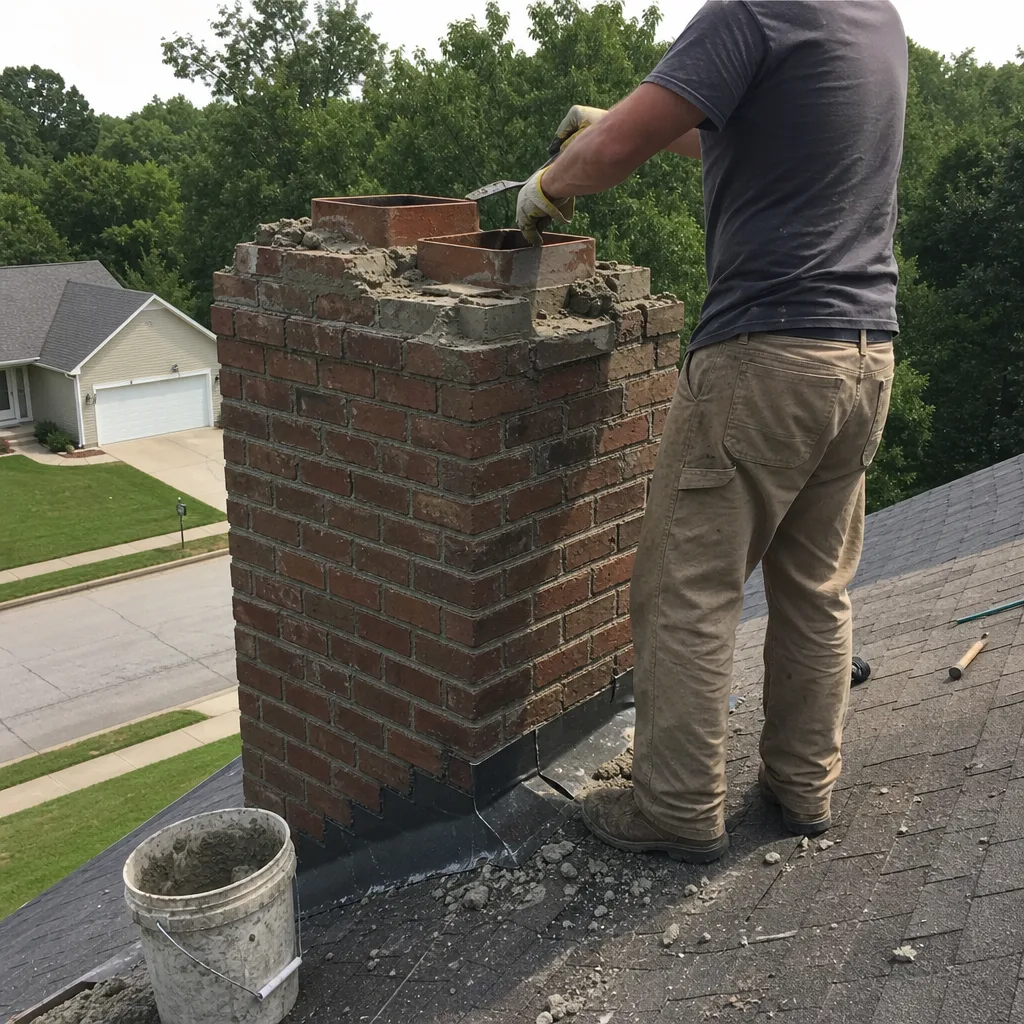
Call a certified sweep before burning season if your last Level 2 inspection exceeds 12 months, if you’ve never had camera inspection, if your screwdriver test shows Stage 2 or 3 creosote, if you smell smoke or gas odors, if your damper sticks or won’t fully close, or if you’re preparing to list your Kennesaw home for sale. Real estate transactions in Cobb County increasingly require professional chimney inspection as a condition of financing or insurance binders.
Level Two Chimney Kennesaw offers free estimates in Kennesaw. We’ll provide a written price, written scope, and written warranty before any work begins, Haven Standard Clause 1. Every inspection includes camera documentation and a photo record you keep, Haven Standard Clause 4, the practice we established in 2009. Call (678) 535-2204 to schedule, or bring us any competitor’s written estimate for a free second opinion.
Frequently Asked Questions
A professional chimney sweep in Kennesaw typically costs $180-$320 for a standard cleaning with Level 2 camera inspection and photo documentation included. This covers most single-flue masonry or metal chimney systems. Repairs, relining, or Stage 3 creosote removal require separate written quotes based on camera findings. Call (678) 535-2204 for an exact quote, estimates are free.
You shouldn’t accept any liner recommendation without seeing camera evidence. At Level Two Chimney Kennesaw, we show you the footage and explain what we’re seeing before quoting replacement. If a competitor recommends liner work, bring us their written estimate for a free second opinion. We’ve reviewed estimates that specified unnecessary full relining when localized HeatShield repair or crown sealing would suffice. The photo record protects you from pressure.
NFPA 211 recommends annual inspection for all active chimney systems, with cleaning frequency based on creosote accumulation. Most Kennesaw homeowners burning seasoned hardwood 20-40 times per season need cleaning every 12-18 months. Those burning pine, unseasoned wood, or running daily fires may need cleaning every 6-12 months. Gas systems require annual inspection but typically need less frequent cleaning. The specific interval for your system depends on camera-documented creosote measurement, not calendar alone.
Skipped cleaning allows creosote to accumulate beyond the 1/8 inch NFPA threshold, increasing chimney fire risk. In Kennesaw’s humid climate, moisture intrusion compounds the problem by accelerating liner degradation and rusting metal components. Insurance carriers may deny fire claims where maintenance records are absent. The cost of deferred maintenance typically exceeds preventive service, a $250 cleaning skipped for three years often becomes a $2,500 liner replacement or worse. Call (678) 535-2204 to schedule before burning season.
DIY cleaning alone does not satisfy most carriers’ documentation requirements for chimney fire claims. Insurance adjusters look for professional inspection records from certified sweeps, not consumer photos or self-reported maintenance. Some carriers explicitly exclude self-cleaned flues from coverage. For full protection, maintain professional inspection records with authenticated photo documentation, like the Haven Standard Clause 4 records we provide on every job.
A Level 1 inspection is a visual examination of accessible portions without specialized equipment, appropriate for chimneys with no changes and continued normal use. A Level 2 inspection adds camera examination of the full flue interior, smoke chamber, and accessible exterior, required for home sales, new appliance installations, or after chimney fires or seismic events. Level Two Chimney Kennesaw performs Level 2 as our default standard, we don’t offer lesser inspection that might miss conditions our camera would find.
Kennesaw’s higher elevation relative to coastal Georgia produces slightly colder winter nights and more freeze-thaw cycles, accelerating masonry spalling. The city’s mature tree canopy increases leaf and animal intrusion risk. Cobb County’s insurance market has tightened documentation requirements compared to some rural Georgia counties. These factors don’t change fundamental maintenance principles, but they make professional camera inspection and documented records more valuable here than in markets with milder conditions or less rigorous insurance scrutiny.
The Bottom Line
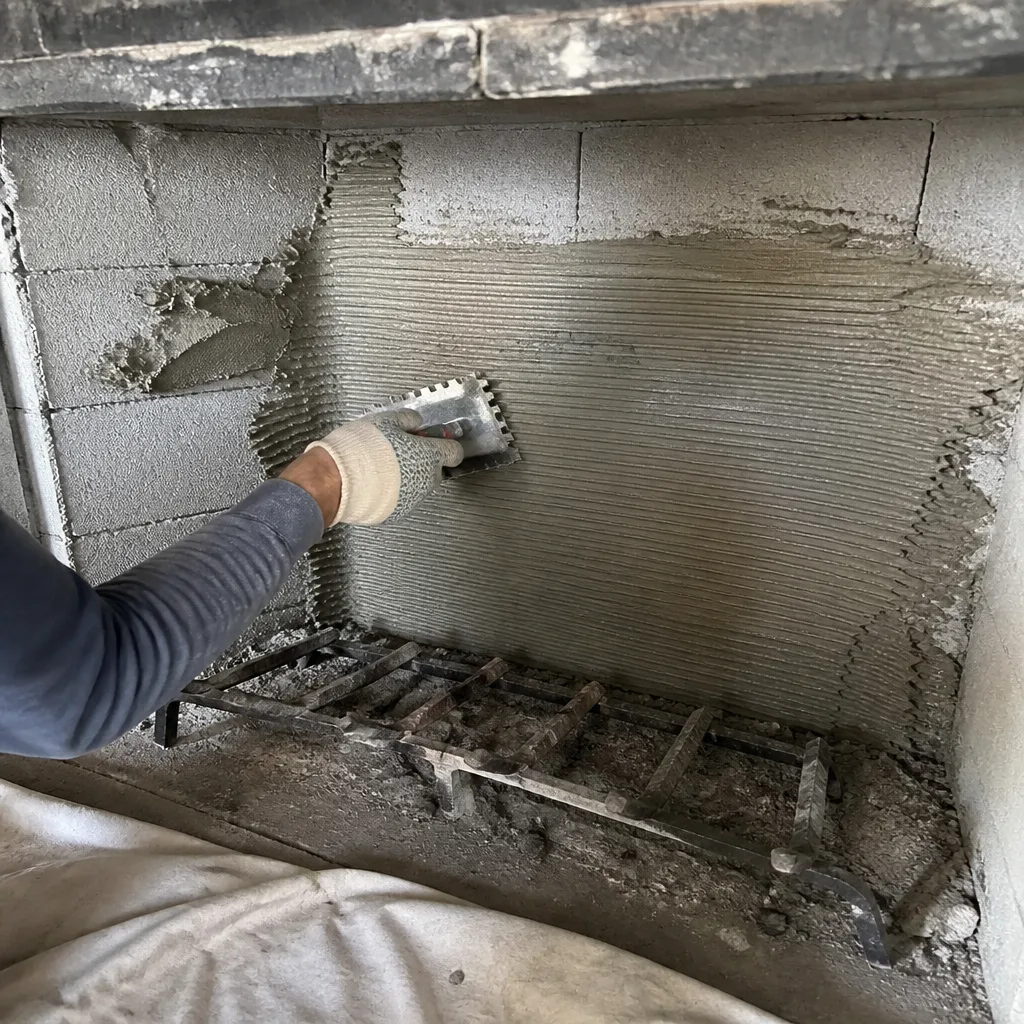
The DIY versus professional chimney cleaning question resolves to documentation, not capability. You can physically remove visible soot. You cannot authenticate liner integrity, identify Stage 2 creosote, or produce insurance-recognized records with consumer equipment. In Kennesaw’s climate, with its freeze-thaw cycling, tree density, and evolving insurance requirements, the gap between “looks clean” and “documented clean” matters for your safety and your financial protection. Professional service at $180-$320 delivers equipment, training, and authenticated records that DIY cannot replicate at any price. The Haven Standard we established in 2009, written price before work, verified crews, and photo documentation on every job, exists because those protections are what homeowners actually need.
Ready for a documented inspection? Call Level Two Chimney Kennesaw at (678) 535-2204 for your free estimate. We’ll provide a written price, written scope, and written warranty before any work begins, and you’ll receive a complete photo record of your flue condition to keep for your insurance file and home records.
Written by Corrine Halstead, Owner at Level Two Chimney Kennesaw, serving Kennesaw since 2009.