
Last updated September 22, 2026
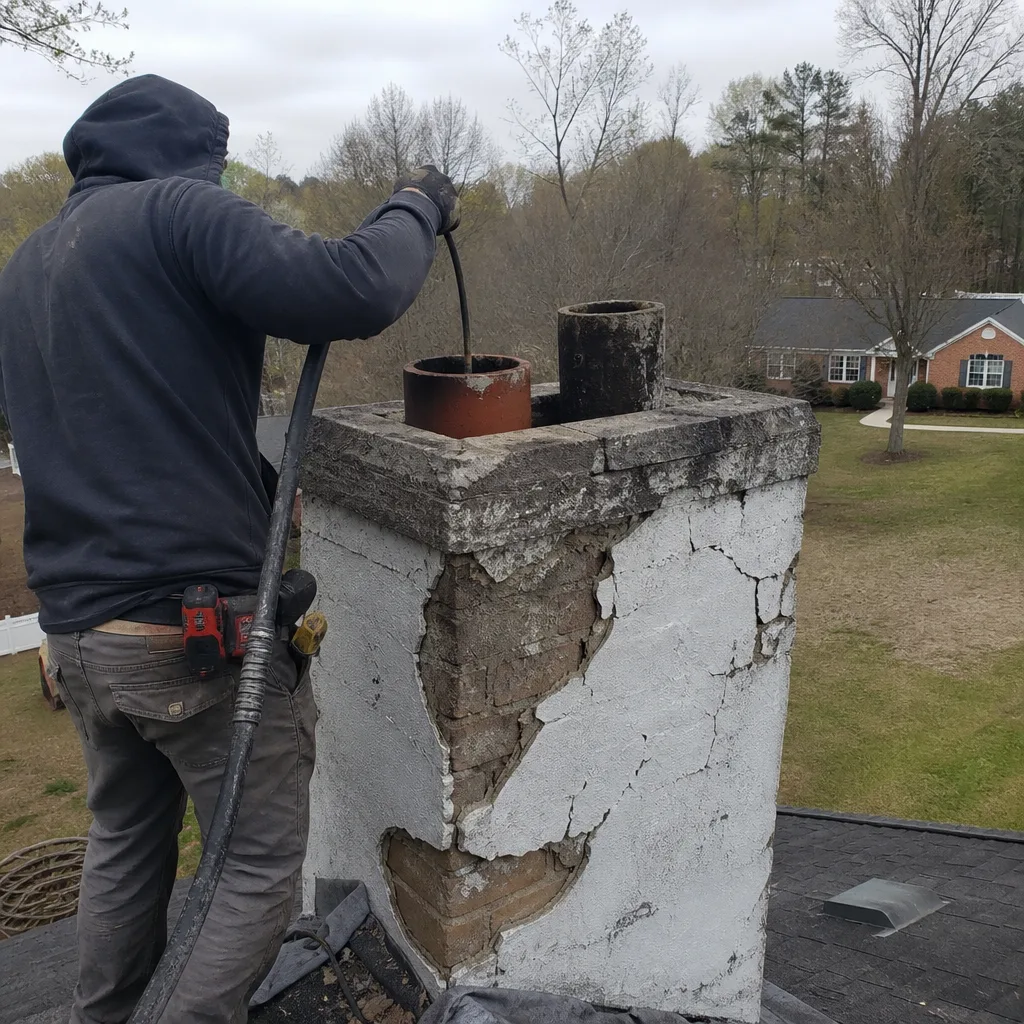
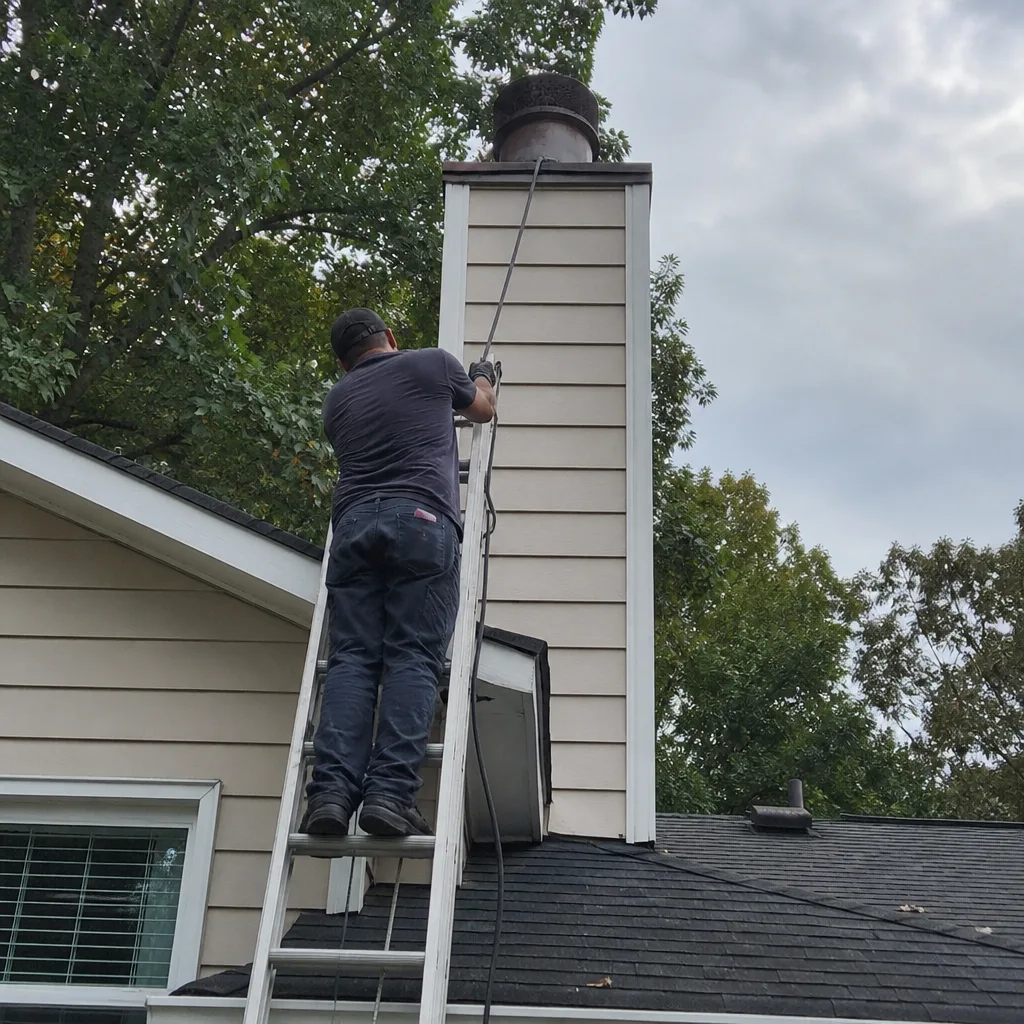
Level 1 sweep and inspection to the NFPA 211 annual standard - flue, crown, cap, and flashing checked and photographed
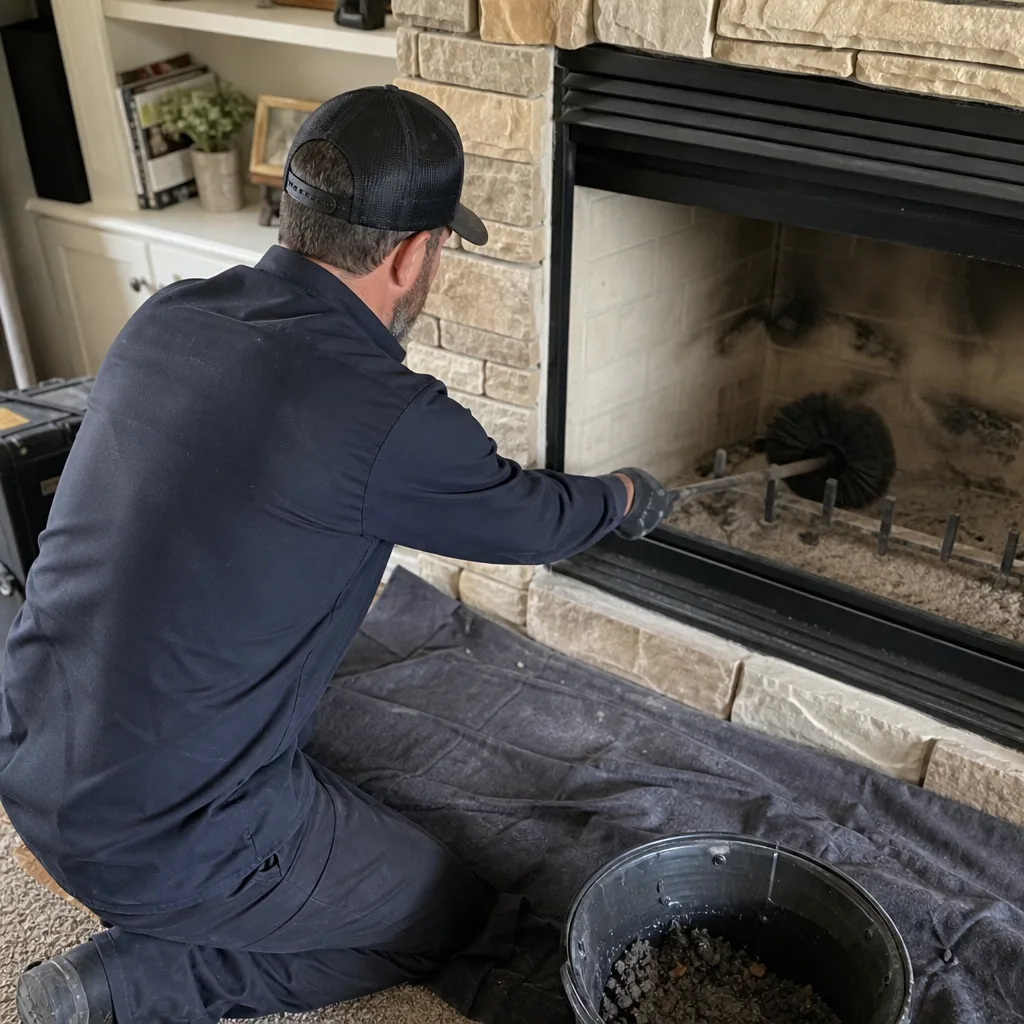
Chimney sweep logs do not sweep chimneys. They loosen some creosote - which then falls where a brush and vacuum still have to collect it.
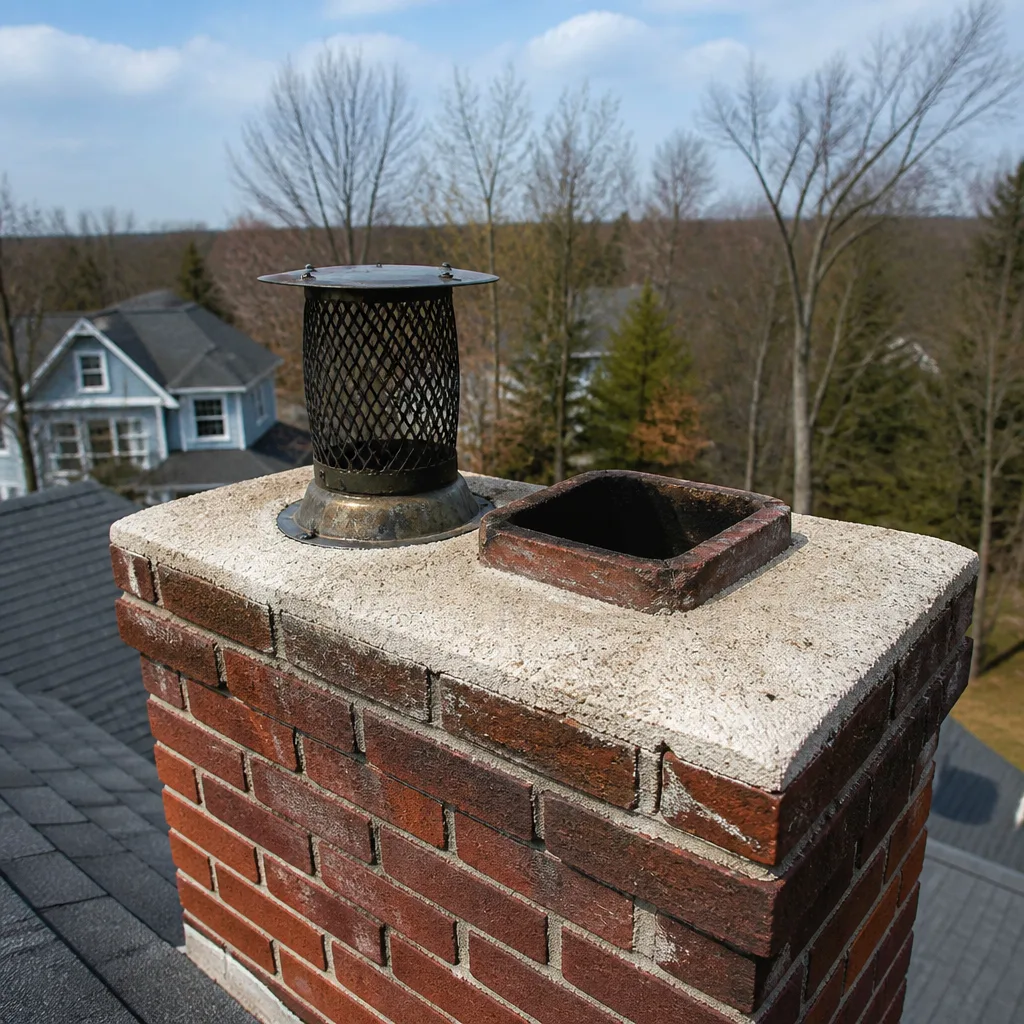
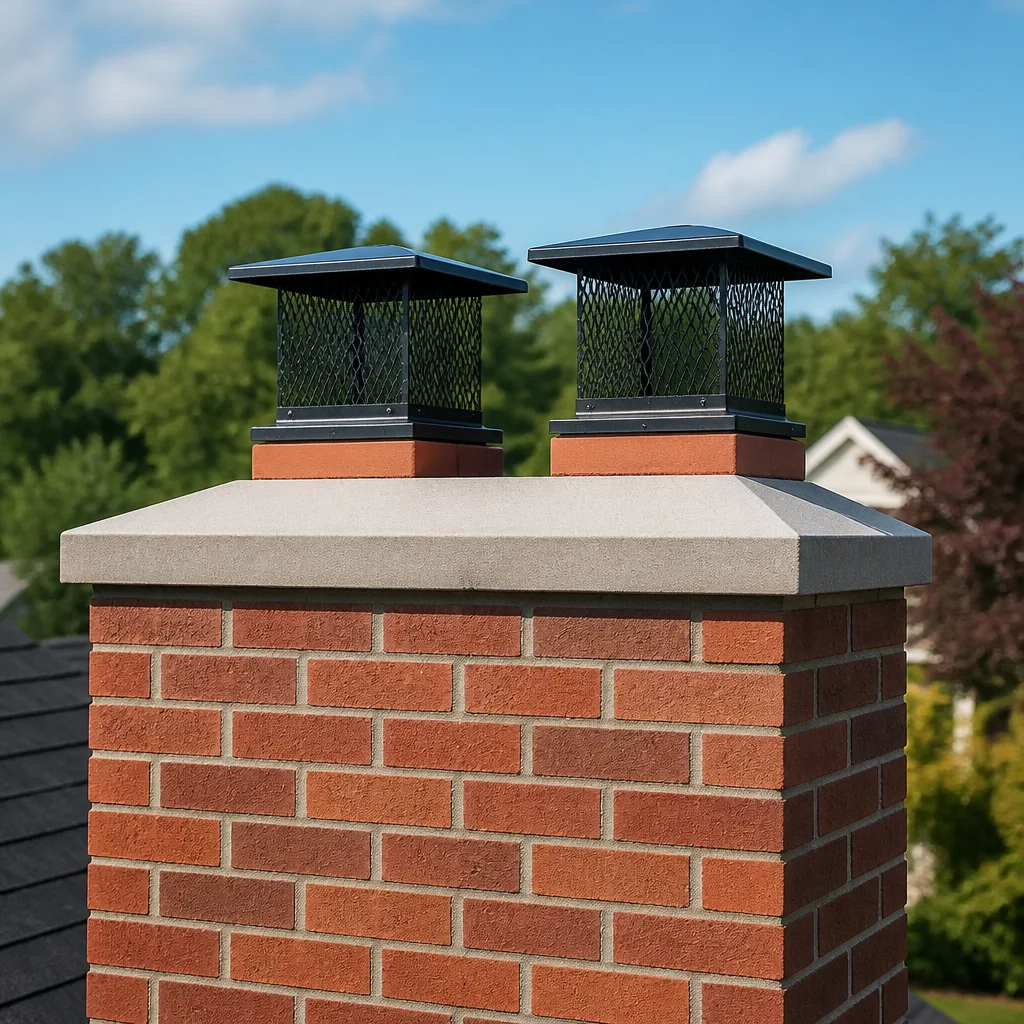
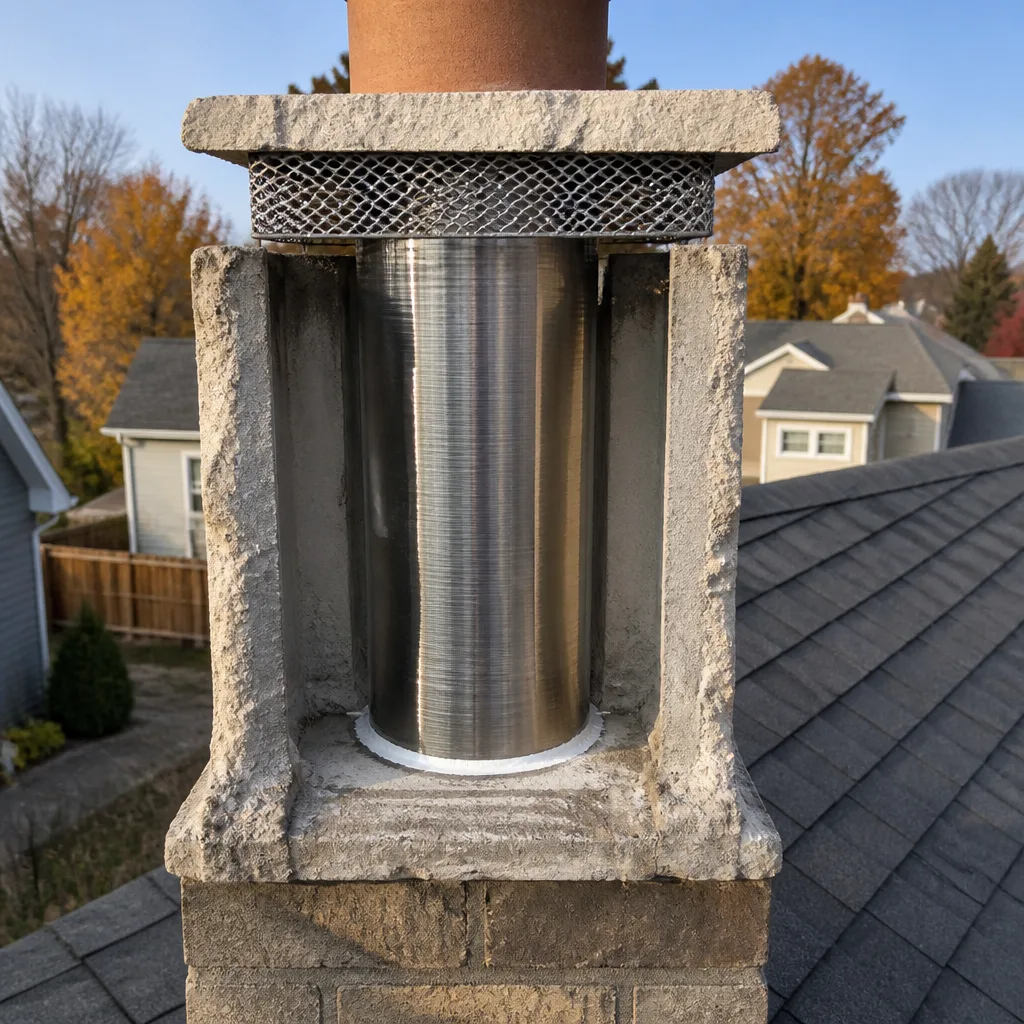
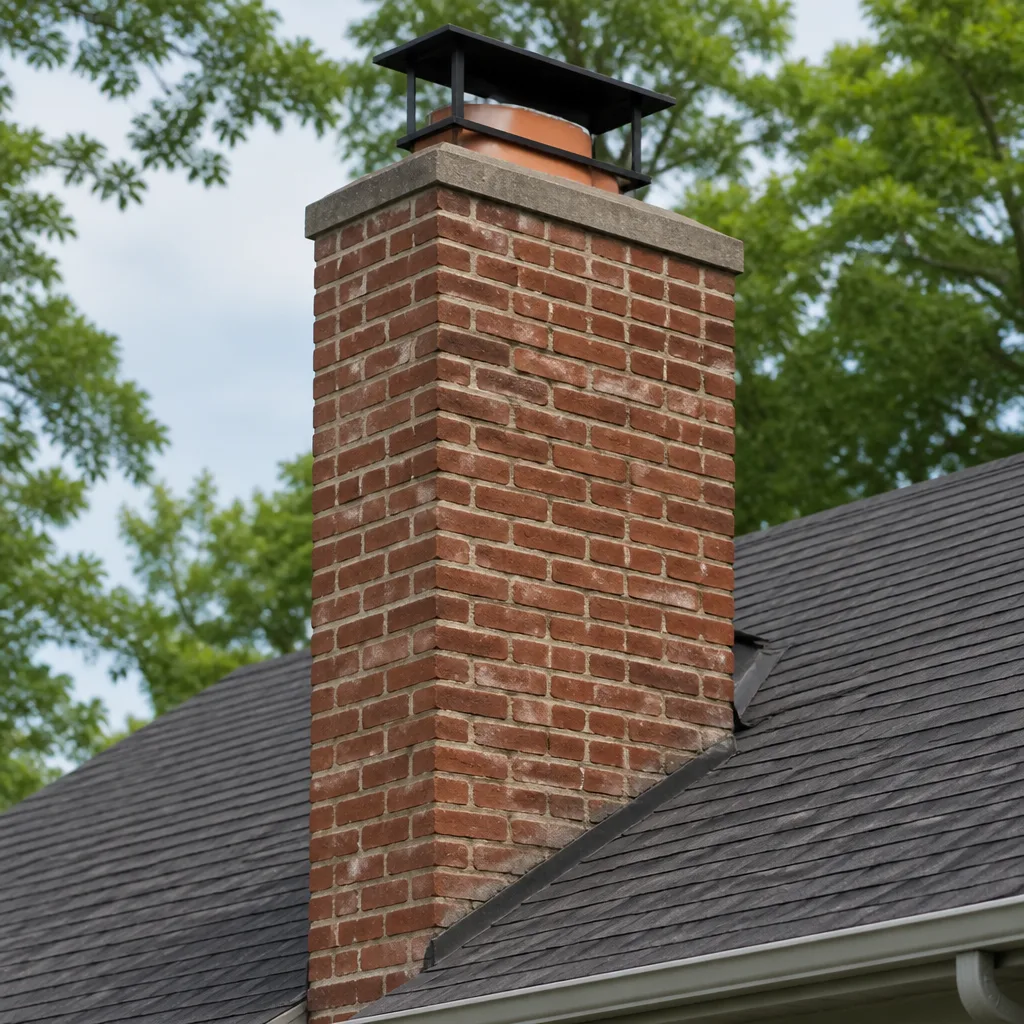
 Before
 After
After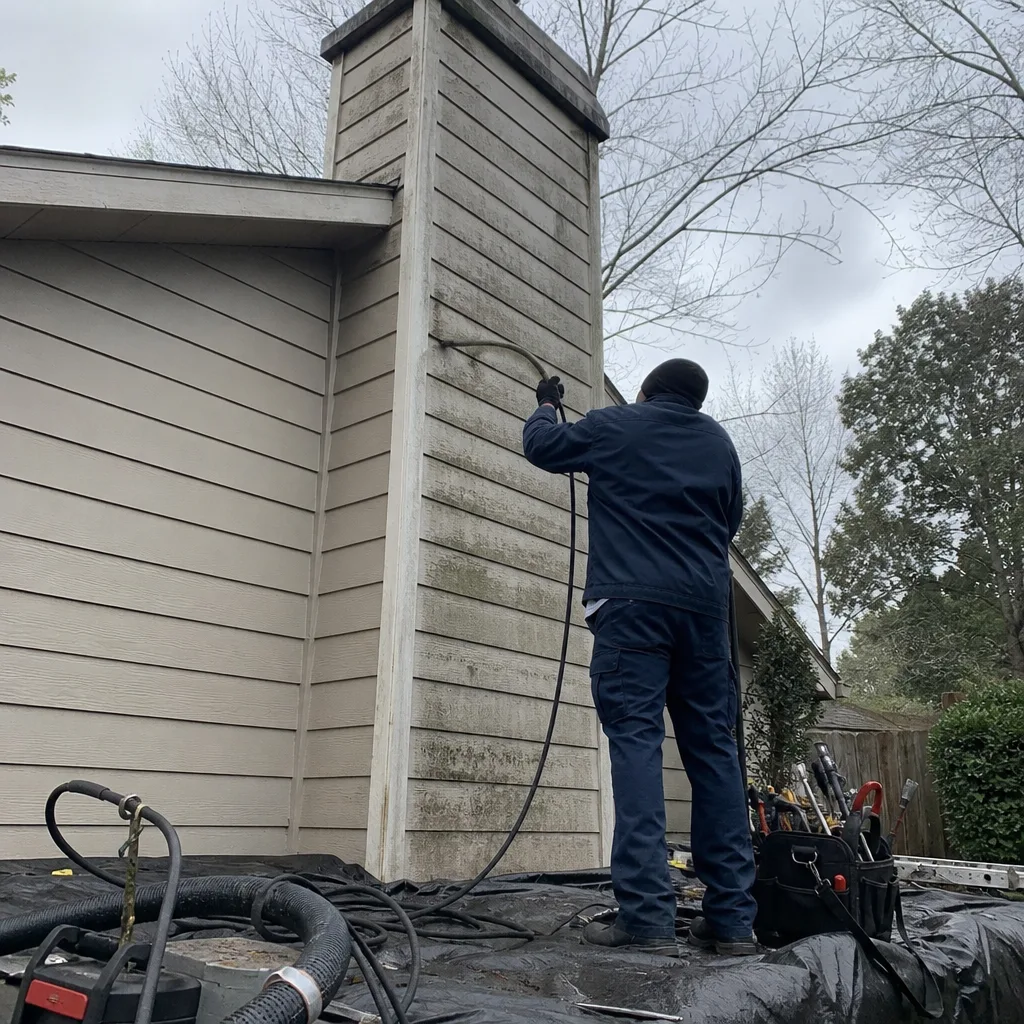 Before
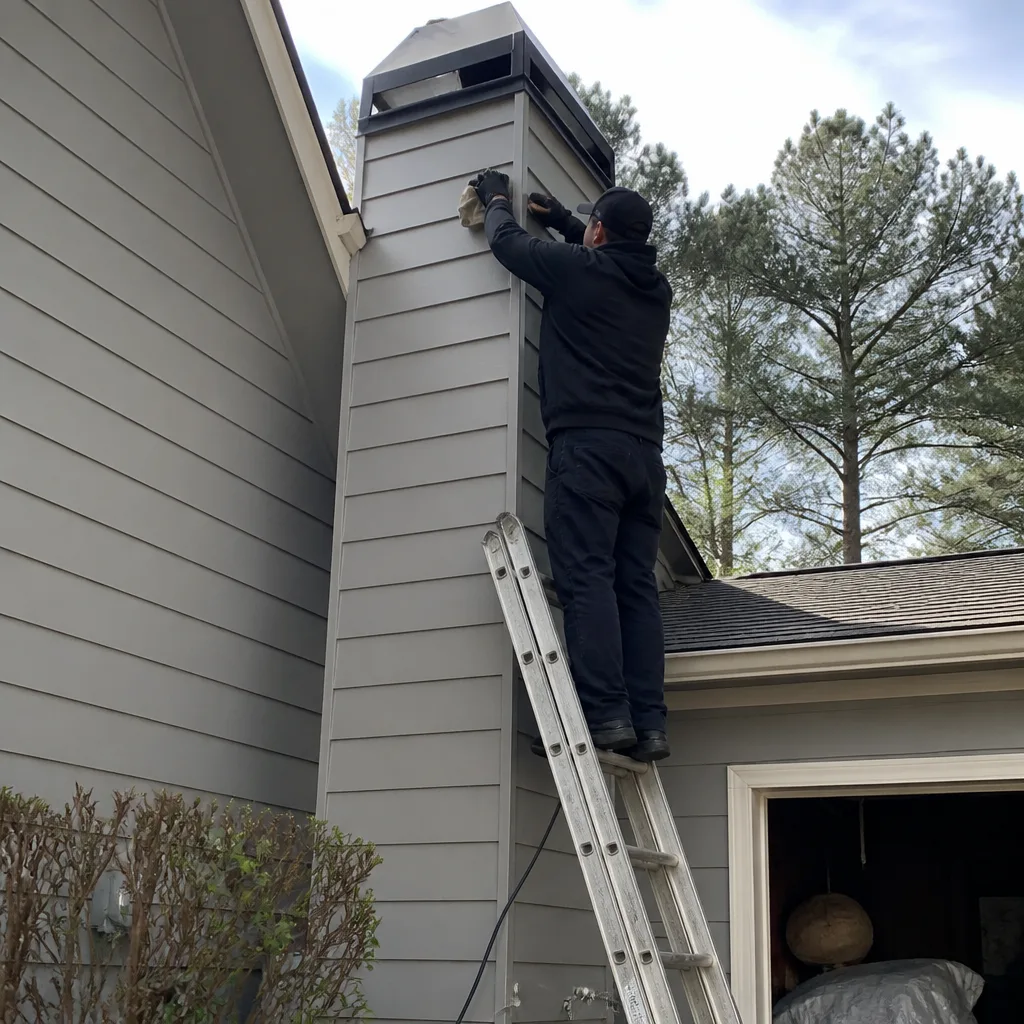 After
After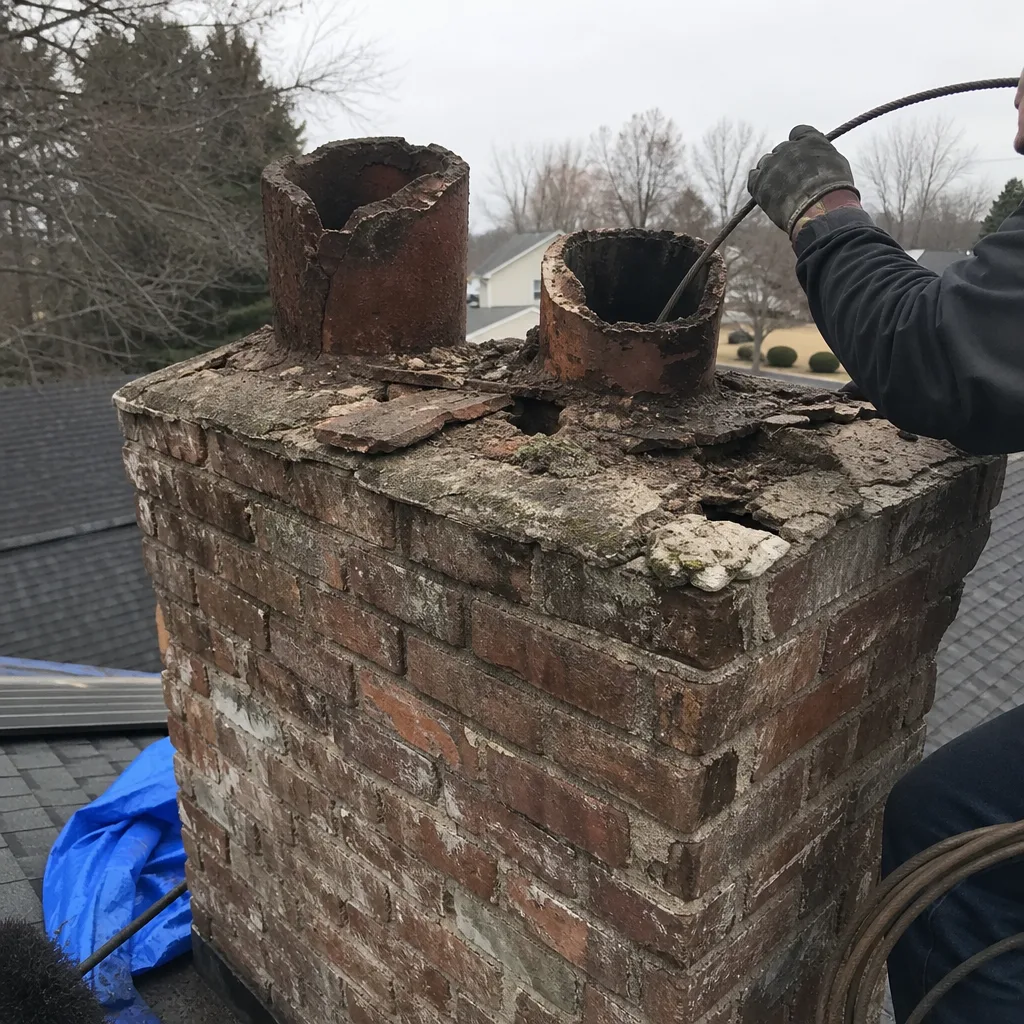 Before
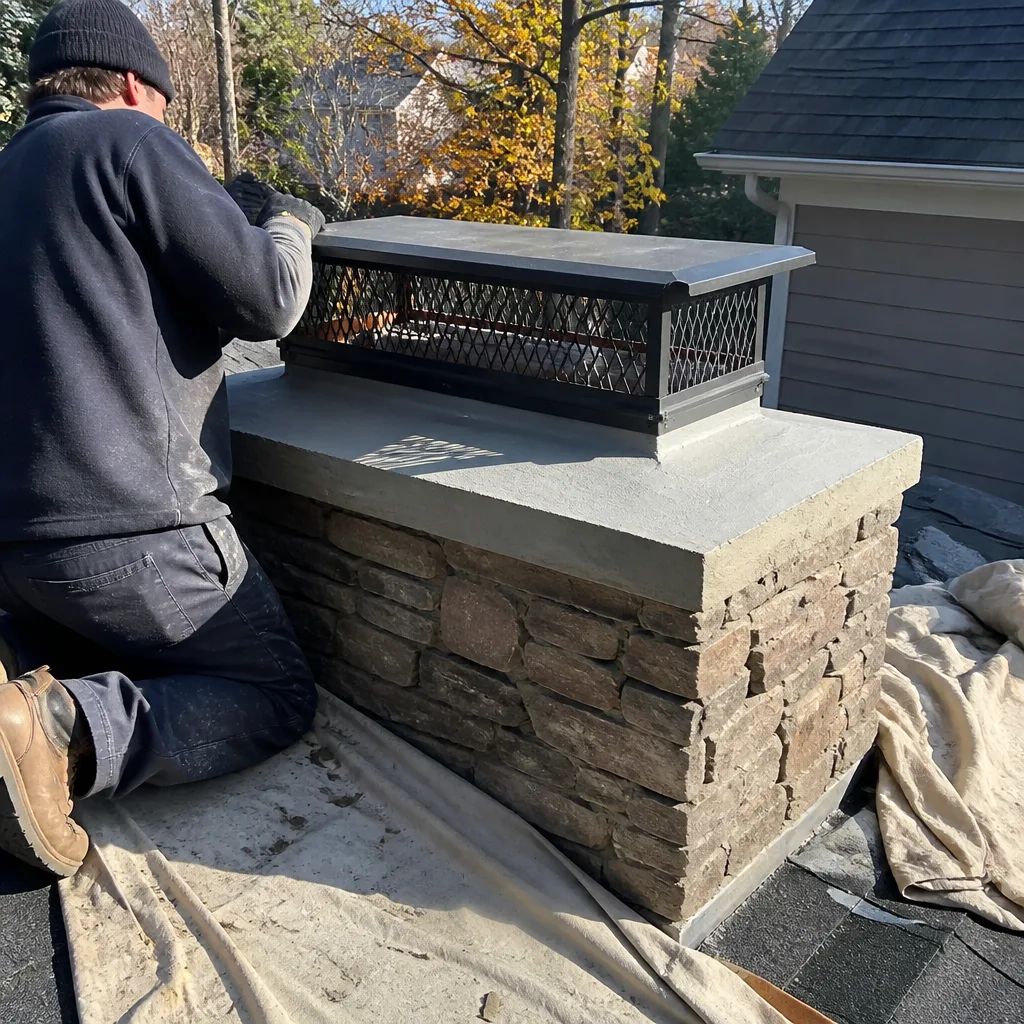 After
AfterHow to Hire a Chimney Cleaning Contractor in Kennesaw: A Step-by-Step Guide
Georgia does not license chimney sweeps. The CSIA credential is voluntary. That means the only thing standing between a Kennesaw homeowner and an under-qualified contractor is the homeowner’s ability to ask the right questions, and most guides & resources online don’t tell you that. In our experience inspecting more than 38,000 chimneys since 2009, we’ve seen what happens when documentation is skipped: a $149 “sweep” becomes a $3,400 “emergency liner replacement” with no photos to prove the damage existed. This guide gives you a contractor-vetting sequence built around paper trail, not promises. You’ll learn the three documents to demand before anyone enters your home, the red flags specific to Kennesaw’s market, and how to read an estimate like an inspector reads a flue.
Quick Answer
To hire a chimney cleaning contractor in Kennesaw, demand three documents before booking: a written price with line-item scope, proof of liability insurance with the policy number visible, and written warranty terms. Verify they perform NFPA 211 Level 2 camera inspections (not flashlight-only “looks”), and request before/after photo documentation as standard deliverables, not add-ons. Skip anyone who won’t provide these in writing.
Table of Contents
- Georgia’s Unregulated Market: What “Chimney Sweep” Actually Means
- The Three Documents to Demand Before Booking
- Why Camera Equipment Matters More Than CSIA Certification Alone
- Red Flags Specific to Kennesaw’s Chimney Market
- How to Read and Compare Chimney Estimates in Kennesaw
- What Your Post-Job Documentation Should Include
- Common Mistakes to Avoid
- When to Call a Professional
- Frequently Asked Questions
- The Bottom Line
 Before
 After
AfterGeorgia’s Unregulated Market: What “Chimney Sweep” Actually Means
In Georgia, “chimney sweep” is not a regulated title. There is no state license, no required apprenticeship, no continuing education mandate. A contractor can buy a brush and a ladder today and advertise professional chimney cleaning tomorrow. The Georgia Secretary of State’s office registers businesses for tax purposes, but it does not verify technical competence in flue inspection, fire safety, or structural assessment; for regulatory details, see Chimney Cleaning Permits, Codes & Inspections in GA: What You Need to Know.
This matters in Kennesaw more than in some markets because of our housing stock. Neighborhoods like Legacy Park, Barrett Greene, and the historic homes near downtown Kennesaw include properties built across six decades, from masonry fireplaces with clay flue tiles to factory-built metal systems installed in the 1990s and 2000s. Each requires different inspection protocols. A contractor who knows only brush-and-rod cleaning for traditional masonry may miss critical failure points in a prefabricated metal chimney, or vice versa.
The Chimney Safety Institute of America (CSIA) offers a voluntary certification. It requires passing an exam and completing continuing education. CSIA certification is a positive signal, but it is not a legal requirement, and it does not guarantee that a given technician on a given day will perform a camera inspection or provide written documentation. We’ve encountered CSIA-certified sweeps who conduct flashlight-only inspections and hand the homeowner a carbon-copy receipt with no photo record, no written scope, and no warranty terms beyond “call if you have problems.”
The practical implication: certification is one data point. The documentation a contractor produces before, during, and after the job is the filter that actually protects you. This is why our Level Two Chimney Kennesaw home page leads with process, not credentials. The Haven Standard was built on this reality. Clause 1 requires a written price, written scope, and written warranty before work starts. Clause 4 requires a documented photo record on every job. These clauses exist because the title “chimney sweep” alone means nothing enforceable in Georgia.
The Three Documents to Demand Before Booking
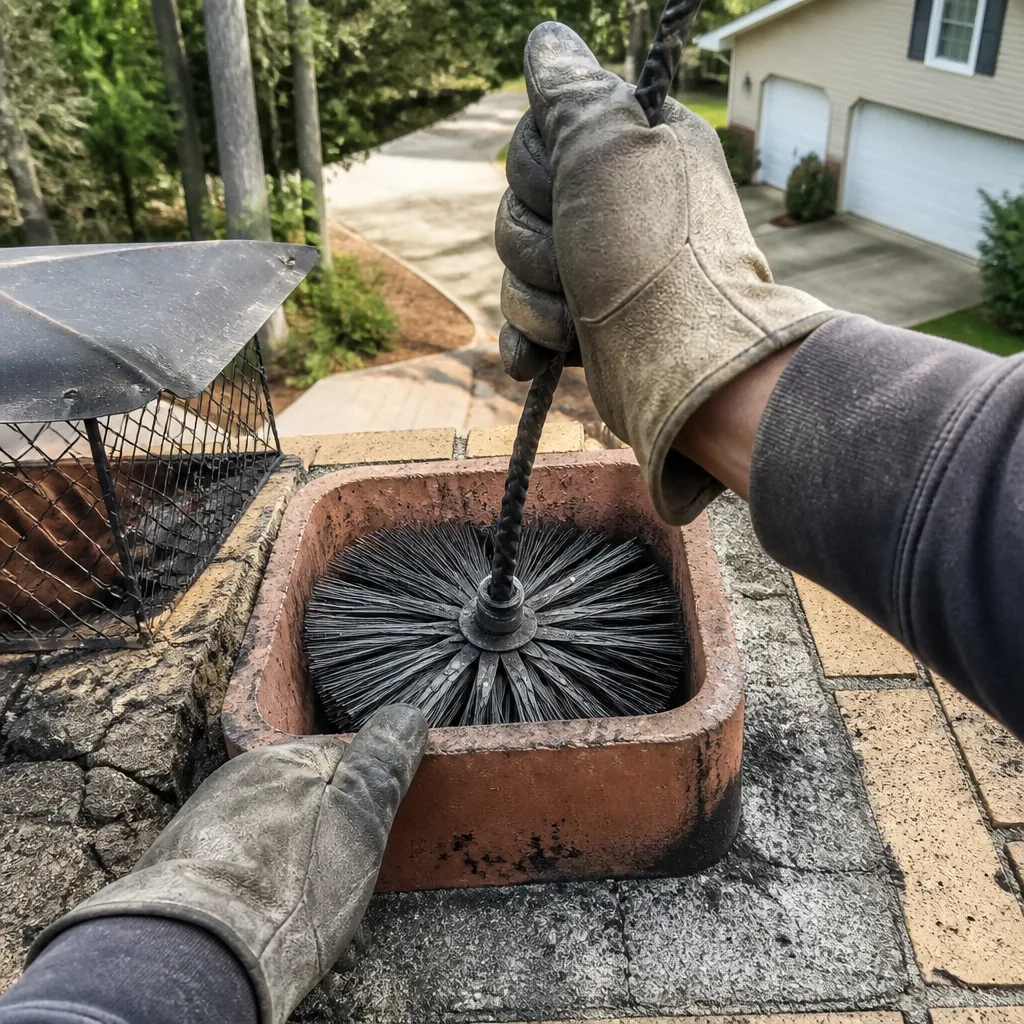
Every legitimate chimney contractor in Kennesaw should provide these three documents without your having to ask twice. If any are missing or evasive, that is your signal to continue searching.
Document 1: Written Price with Line-Item Scope
This is not a ballpark figure over the phone. It is a written document, delivered before the technician arrives or before work begins, that lists each service with its price. For a standard chimney sweep and inspection in Kennesaw, you should see line items similar to:
- NFPA 211 Level 2 inspection with internal camera scan: $[range]
- Chimney sweep and debris removal: $[range]
- Smoke chamber and firebox visual assessment: included / $[range]
- Written report with photo documentation: included
The written price protects both parties. You know what you’re paying for. The contractor knows what they’re accountable to deliver. Under the Haven Standard, we have provided written prices on every job since 2009, with no exceptions. Clause 1 states: “Have it in writing.” The price, scope, and warranty terms are delivered before any work starts, not after the technician is already in your living room with soot on their boots.
Be wary of quotes that bundle “inspection and cleaning” into a single vague line item with no description of what the inspection includes. A legitimate Level 2 inspection involves camera equipment, accessible roof examination, and assessment of the firebox, smoke chamber, and exterior masonry or metal components. If these are not named, the “inspection” may be a flashlight glance up the flue from the fireplace opening.
Document 2: Proof of Liability Insurance with Policy Number Visible
Request a certificate of insurance (COI) or a screenshot of the declarations page with the policy number visible. The policy should name general liability coverage appropriate for work at height, on roofs, and inside residential structures. In Kennesaw, where many homes in neighborhoods like Stilesboro and Acworth due west have steep-pitched roofs and multi-story chimneys, this is not theoretical. A technician falling from a roof or damaging your interior with equipment becomes your problem if the contractor is uninsured.
Do not accept “yes, we’re insured” as sufficient. The policy number lets you verify coverage with the insurer if you choose. A contractor who hesitates to provide this document is telling you something important about their business practices.
Document 3: Written Warranty Terms
What happens if the sweep dislodges a flue tile? If the inspection misses active water intrusion that damages your ceiling a month later? If the technician damages your roof shingles? The warranty document should specify the time period, what is covered, and the process for making a claim.
Our 365-Day Done Right Promise is stamped on every job: if it’s not done right, we make it right. The terms are in writing before work starts, not offered verbally after a complaint. Any contractor confident in their work should be willing to put warranty terms on paper. If they won’t, ask yourself what they expect to go wrong.
Why Camera Equipment Matters More Than CSIA Certification Alone
CSIA certification tests knowledge of combustion, draft, and chimney construction. It does not require a certified sweep to own or use a chimney inspection camera. This is a critical gap. A Level 1 inspection, which many “sweeps” perform by default, is a visual examination of readily accessible portions of the chimney exterior, interior, and flue. It does not require a camera. It does not require roof access. It cannot detect cracked flue tiles, deteriorated mortar joints, or creosote buildup hidden behind bends in the flue.
An NFPA 211 Level 2 inspection, by contrast, requires examination of accessible portions of the chimney exterior and interior, including attics, crawl spaces, and basements, and “appropriate examination of the flue interior by video scanning or other means.” The camera is not optional in a true Level 2. It is the means by which hidden conditions are documented.
In Kennesaw’s climate, this distinction matters. Our area receives approximately 50 inches of rainfall annually, with heavy spring storms and occasional winter ice. Water is the primary enemy of chimney systems. It enters through cracked crowns, deteriorated flashing, or failed chimney caps, then freezes and thaws, accelerating masonry damage. A camera scan reveals this damage in the flue liner where a flashlight cannot reach. Without it, a contractor may pronounce your chimney “fine” while water continues to degrade the system from within.
When vetting a contractor, ask specifically: “Do you perform a camera scan of the flue interior on every inspection?” Follow up with: “Will I receive the video or still images from that scan?” If the answer to either is no, you are not receiving a Level 2 inspection, regardless of what the service is called on the invoice.
At Chimney Cleaning & Sweep in Kennesaw, camera-scan documentation has been standard since 2009, years before it became Haven Standard Clause 4. Every customer receives a documented photo record of their flue condition, archived for future reference. This is not an add-on. It is the baseline.
Red Flags Specific to Kennesaw’s Chimney Market
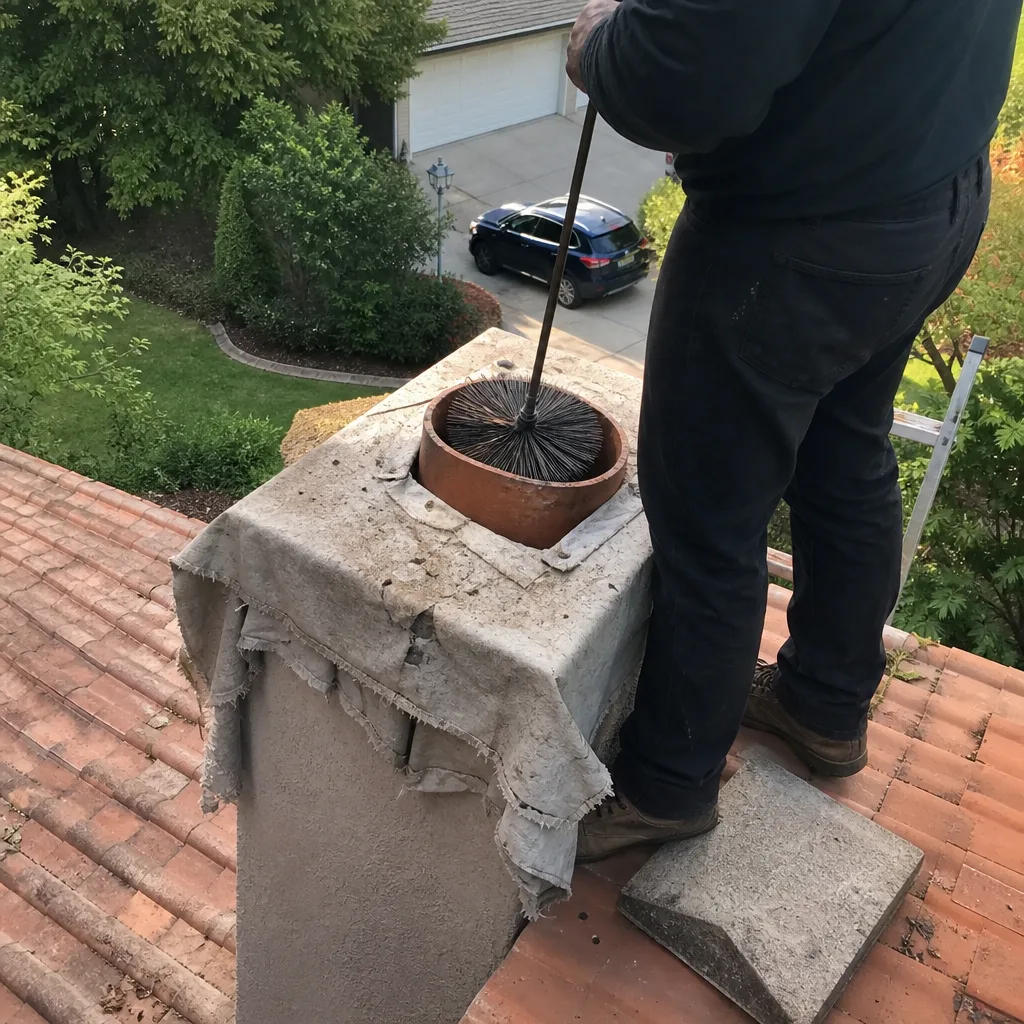
Kennesaw’s housing growth, particularly in developments like Legacy Park and the Barrett Greene area, has attracted operators who target newer homeowners with tactics that experienced inspectors recognize immediately. Watch for these patterns:
Door-to-Door Offers After Heavy Weather
Following significant spring storms or winter ice events, contractors may canvas neighborhoods offering “free chimney inspections” or discounted sweeps. These are often lead-generation tactics for high-pressure sales of unnecessary repairs. A legitimate Kennesaw contractor does not need to knock on doors. They have scheduled appointments, confirmed addresses, and technicians assigned with license numbers displayed. If someone appears unannounced at your door offering chimney services, decline and contact a company with a verified local presence.
Unusually Low Quotes That Exclude “Repairs Found During Cleaning”
A $79 or $99 sweep advertised in Kennesaw mailers or social media groups is often a loss-leader. The contractor plans to “find” problems during the visit and upsell repairs at inflated prices. The initial quote excludes common contingencies because the business model depends on the upsell. A written price with line-item scope, delivered before booking, prevents this. If the estimate says “price may change based on conditions found,” ask for a defined ceiling or a written commitment that no additional work will be performed without your prior written approval.
Contractors Who Won’t Share Before/After Camera Footage
If a contractor claims to perform camera inspections but will not show you the footage or provide still images, the inspection likely did not happen, or the findings are being misrepresented. In our practice, the customer sees the flue condition in real time on a tablet screen during the inspection, and receives archived photos with their written report. A contractor who says “trust me, it needs a liner” without visual evidence is asking for faith that documentation would make unnecessary.
Vague or Missing Local Business Address
Verify that the contractor maintains a physical presence in or near Kennesaw, not just a virtual office or forwarded phone number. Ask where their technicians are dispatched from. A contractor operating from two counties away may not respond promptly to warranty claims or follow-up concerns.
Pressure to Decide Immediately
“This price is only good today” or “I have materials in the truck” are standard high-pressure tactics. A legitimate contractor in Kennesaw will provide a written estimate valid for a defined period, typically 30 days, and will not begin repair work without your explicit authorization. The Haven Standard explicitly prohibits this practice. Clause 1 requires written price and scope before any work starts, which presumes time for the customer to review and decide.
How to Read and Compare Chimney Estimates in Kennesaw
Once you have written estimates from multiple contractors, comparison requires attention to what is included, not just the bottom-line number. Here’s how to evaluate them systematically.
Step 1: Verify the Inspection Standard Cited
Every estimate should specify whether it includes an NFPA 211 Level 1 or Level 2 inspection. If the standard is not named, ask. A Level 2 is appropriate for all real estate transactions, after chimney fires, when changing appliance types, and as periodic due diligence for active fireplaces. For routine annual maintenance of a well-maintained system, some homeowners may accept Level 1, but they should understand its limitations. In Kennesaw, where many homes have experienced weather events or are approaching 15-20 years of age, we recommend Level 2 as baseline.
Step 2: Check for These Required Line Items
A legitimate chimney sweep estimate in Kennesaw should include, at minimum:
- Inspection type and standard (NFPA 211 Level 1 or 2)
- Cleaning method and debris disposal
- Firebox and smoke chamber assessment
- Exterior masonry or metal chimney condition check
- Crown, cap, and flashing evaluation
- Written report with findings and recommendations
- Photo or video documentation
Missing items signal corners being cut. An estimate with no mention of the crown or cap, for example, suggests a contractor who plans to ignore the primary entry points for water.
Step 3: Compare Material Specifications for Any Recommended Repairs
If repairs are recommended, the estimate should name materials, not generic descriptions. “Stainless steel liner” is insufficient. “316Ti stainless steel liner, DuraFlex or equivalent” is specific and verifiable. At Level Two Chimney Kennesaw, we source materials through Haven’s buying network from DuraFlex, HeatShield, Gelco, Olympia Chimney, Famco, and Copperfield. This network exists specifically to keep customer prices honest through volume purchasing and quality verification. A contractor who cannot name their material supplier may be using inferior products with shorter service lives.
Step 4: Identify Omissions That Signal Low-Ball Bait
Common omissions that allow a low initial quote to inflate later:
- No mention of permit requirements (Kennesaw and Cobb County may require permits for liner replacement or structural repairs)
- No allowance for scaffold or lift rental on steep roofs
- No specification of how creosote class (Class I, II, or III) affects cleaning difficulty and price
- No warranty terms or duration
- No defined process for authorizing additional work discovered during inspection
A written price with these elements missing is not a quote. It is an opening bid in a negotiation the contractor expects to win after they have your attention and your fireplace is disassembled.
Step 5: Verify the Free Second Opinion Policy
If an estimate recommends significant repairs, a second opinion costs nothing but time and may save thousands. We offer a Free Second Opinion on any written estimate from a competitor. Bring us the written quote. We will perform our own camera inspection and provide our assessment, with no obligation. This service exists because we have seen $4,200 “emergency liner replacements” that our inspection revealed to be minor mortar joint repair, and $2,800 “crown rebuilds” that needed only proper sealing with a product like Chimney Repair in Kennesaw using HeatShield or equivalent crown coating.
What Your Post-Job Documentation Should Include
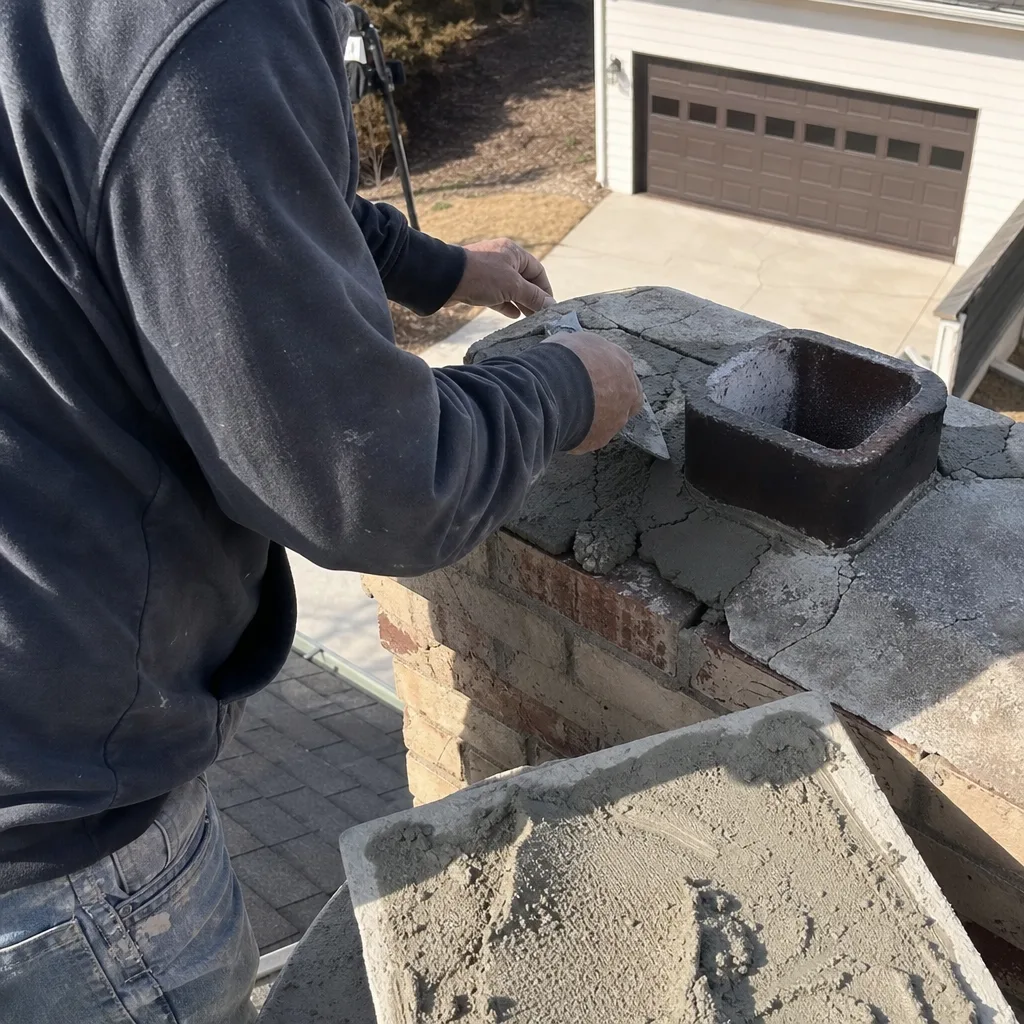
The job is not complete when the technician leaves. The documentation you receive creates your record for insurance, warranty claims, future real estate transactions, and your own maintenance planning. Demand these deliverables:
1. Written Report with Findings and Recommendations
This document should summarize the condition of each inspected component: flue liner, smoke chamber, firebox, damper, crown, cap, flashing, and exterior masonry or metal structure. It should classify any creosote buildup (Class I: soot; Class II: granular; Class III: glazed, requiring chemical treatment). It should distinguish between conditions requiring immediate action, conditions to monitor, and conditions that are normal for the system’s age and use.
2. Photo or Video Record of Flue Interior
The camera scan produces visual evidence of cracks, gaps, deterioration, or clear passage. This record should be dated and should reference the property address. Under Haven Standard Clause 4, we archive these records and can retrieve them for future comparison. If your contractor provides no visual record, you have no baseline to prove whether a condition is new or pre-existing at your next inspection.
3. Invoice Matching the Pre-Work Written Price
The final invoice should match the written price and scope agreed before work began, with any changes documented by a change order signed by you. Discrepancies here are a red flag for billing practices.
4. Warranty Document with Terms and Contact Information
The warranty should specify what is covered, for how long, and how to initiate a claim. It should include the contractor’s business name, address, and phone number. A warranty without contact information is unenforceable.
5. Maintenance Recommendation with Next Service Date
Based on your fuel type, burning habits, and system condition, the contractor should recommend your next inspection interval. For wood-burning fireplaces in regular use, annual inspection is standard. For gas systems with no apparent issues, biennial may be acceptable. This recommendation should be in writing, not verbal.
Keep these documents with your homeowner records. They are your evidence if an insurance claim arises from a chimney fire, your defense if a home inspector questions the chimney condition at sale, and your reference for tracking system degradation over time.
Common Mistakes to Avoid
- Booking based on lowest price alone. A $99 sweep that discovers $3,200 in “necessary” repairs was never a $99 sweep. Compare line-item scope, not bottom-line numbers, and demand that all pricing be in writing before work starts.
- Accepting verbal warranties. “We’ll take care of you” is not a warranty. A written document with coverage period, exclusions, and claim process is. If the contractor won’t put it in writing, they don’t intend to honor it.
- Neglecting to verify insurance independently. A certificate of insurance can be forged or expired. Note the policy number and insurer, and verify if you have any doubt. In Kennesaw’s unregulated market, this step is your responsibility.
- Assuming CSIA certification equals thorough inspection. Certification tests knowledge. It does not mandate equipment, documentation, or business practices. Ask specifically about camera use and written reports.
- Allowing work to begin before written authorization. Once a technician is on your roof or in your firebox, stopping unauthorized work becomes awkward and costly. The written price and scope, delivered before booking, prevents this. Under the Haven Standard, no work begins without your written approval of price, scope, and warranty.
- Failing to request Kennesaw-specific experience. A contractor familiar with Legacy Park’s 1990s prefabricated systems, Barrett Greene’s masonry construction, or the older homes near Kennesaw’s historic downtown will recognize patterns a generalist misses. Ask about local neighborhoods and housing eras they’ve worked.
- Ignoring post-job documentation. The photos and report are not optional souvenirs. They are your insurance record, your warranty baseline, and your evidence at sale. A contractor who treats documentation as an afterthought treats your protection as an afterthought.
When to Call a Professional
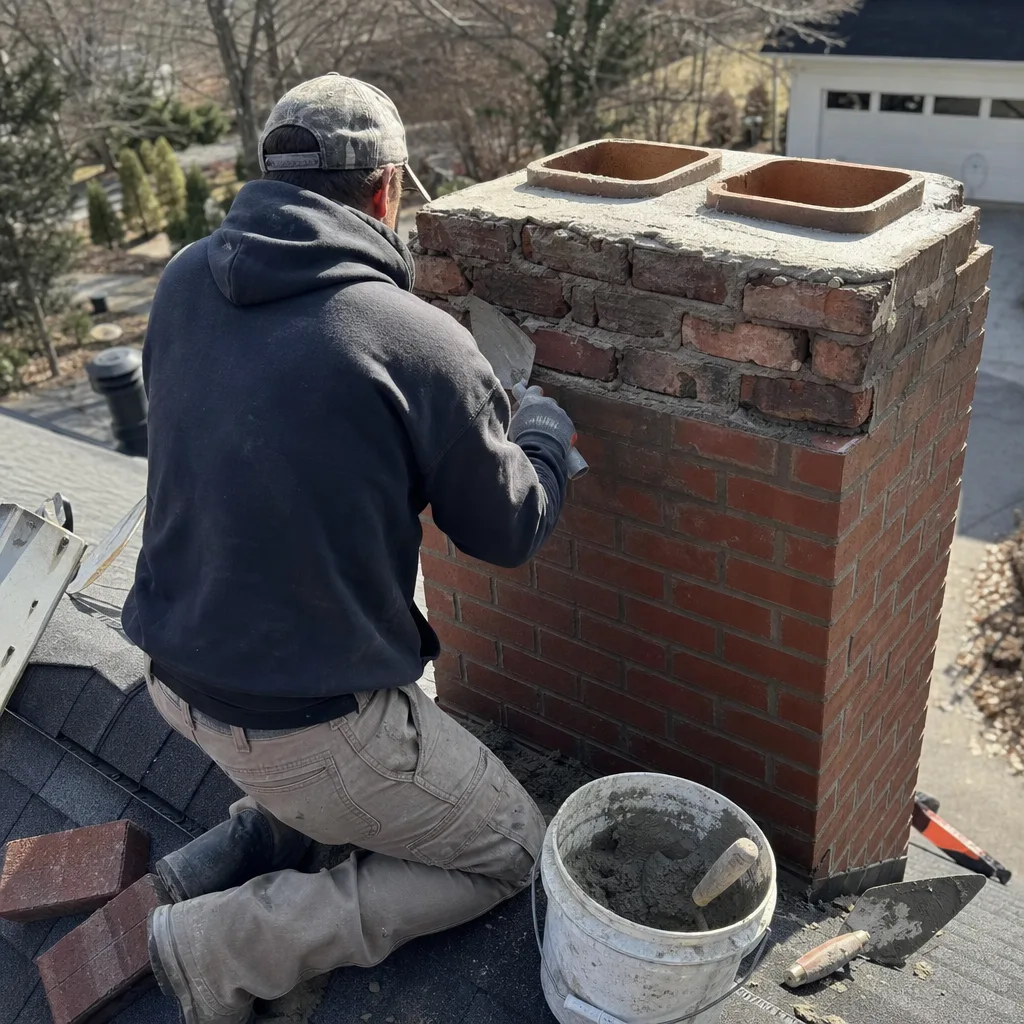
Call a chimney professional before your first fire of the season, after any chimney fire or unusual event (backdraft, smoke in the home, visible sparks), when purchasing a home with an existing fireplace, or when changing fuel types (wood to gas, or adding a wood insert to a gas setup). In Kennesaw, where temperatures can drop unexpectedly in late fall and winter storms occasionally damage exterior components, preseason inspection in September or October is prudent.
Do not attempt to inspect or clean a chimney yourself if it requires roof access, if you suspect structural damage, or if you observe Class III glazed creosote, which requires chemical treatment and professional removal. The risk of falls, fire, or improper reassembly outweighs any cost savings.
Fireplace Services in Kennesaw from Level Two Chimney Kennesaw includes inspection, cleaning, and repair with full documentation. We offer free estimates in Kennesaw and surrounding areas. Call (678) 535-2204 to schedule, or request your free second opinion on any written estimate you’ve already received.
Frequently Asked Questions
A professional chimney sweep with NFPA 211 Level 2 camera inspection in Kennesaw typically ranges from $250 to $450; see our Chimney Cleaning Cost Breakdown: The Kennesaw Homeowner’s Reference for 2026, depending on system accessibility, creosote class, and whether the fireplace is wood-burning, gas, or pellet. Prices below $200 often exclude camera inspection or use the appointment as a platform for repair upsells. Call (678) 535-2204 for an exact quote - estimates are free.
You need a new liner when camera inspection reveals cracked tiles, gaps between tiles, or deterioration that allows combustion gases to enter wall cavities, or when changing appliance types requires a different liner material or diameter. We have reviewed competitor estimates recommending $3,800 liner replacements that our camera inspection showed needed only $340 in mortar joint repair. Nothing is recommended without camera evidence you can see for yourself. Call (678) 535-2204 for a free second opinion on any written estimate.
Wood-burning fireplaces in regular use should be inspected and swept annually, per NFPA 211. Gas fireplaces should be inspected annually for venting integrity, though cleaning frequency is typically lower. In Kennesaw’s climate, with heavy spring rains and occasional ice, annual inspection also catches water intrusion before it degrades the system. Call (678) 535-2204 to schedule your inspection.
Skipped maintenance allows creosote accumulation, which increases chimney fire risk, and permits water intrusion to degrade flue liners and masonry undetected. A chimney fire can exceed 2,000 degrees, damaging the liner and potentially spreading to the structure. Carbon monoxide can enter living spaces through liner cracks. These are not hypothetical risks - they are documented outcomes we have observed in Kennesaw homes where maintenance was deferred. The cost of prevention is a fraction of the cost of remediation. Call (678) 535-2204 to schedule before burning season.
No. Georgia does not license chimney sweeps or require any certification. CSIA certification is voluntary and demonstrates completed training, but it does not mandate camera equipment, written documentation, or specific business practices. Your protection comes from the contractor’s documentation practices, not their credentials alone. Verify camera use, written pricing, and insurance independently.
Request camera documentation of the condition, a written estimate with line-item scope and materials specified, and time to review. No legitimate contractor in Kennesaw needs an immediate decision. Our Free Second Opinion service exists for exactly this situation - bring us the written estimate and we’ll provide independent camera verification. Call (678) 535-2204 to schedule.
The Bottom Line
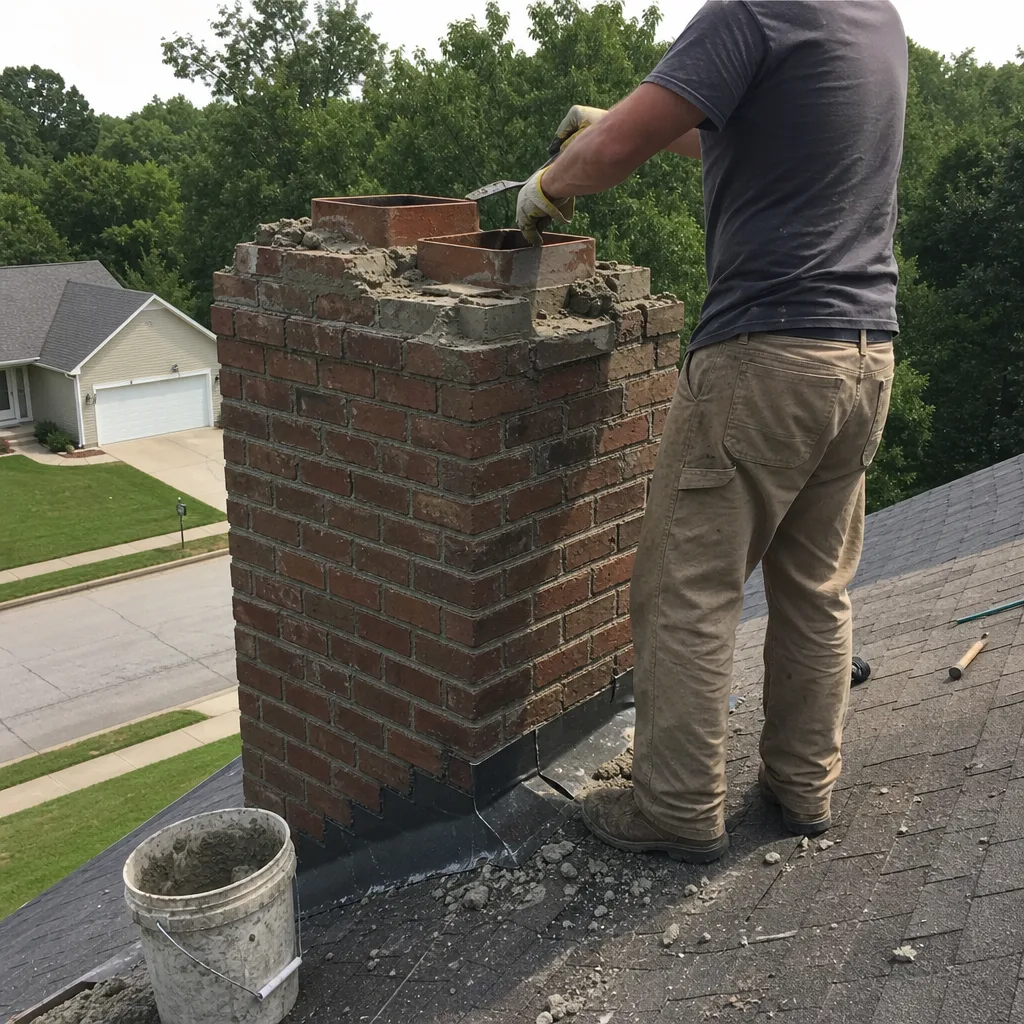
Hiring a chimney cleaning contractor in Kennesaw requires more than checking reviews and comparing prices. Georgia’s unregulated market means the title “chimney sweep” guarantees nothing. Your protection lies in documentation: written price with line-item scope before booking, proof of insurance with policy number visible, written warranty terms, camera inspection with photo record, and post-job report archived for your records. Demand these from any contractor you consider. The ones who provide them willingly are the ones who have nothing to hide. Those who hesitate have already told you what you need to know.
Written by Corrine Halstead, Owner at Level Two Chimney Kennesaw, serving Kennesaw since 2009.