
Last updated September 22, 2026
Level 1 sweep and inspection to the NFPA 211 annual standard - flue, crown, cap, and flashing checked and photographed
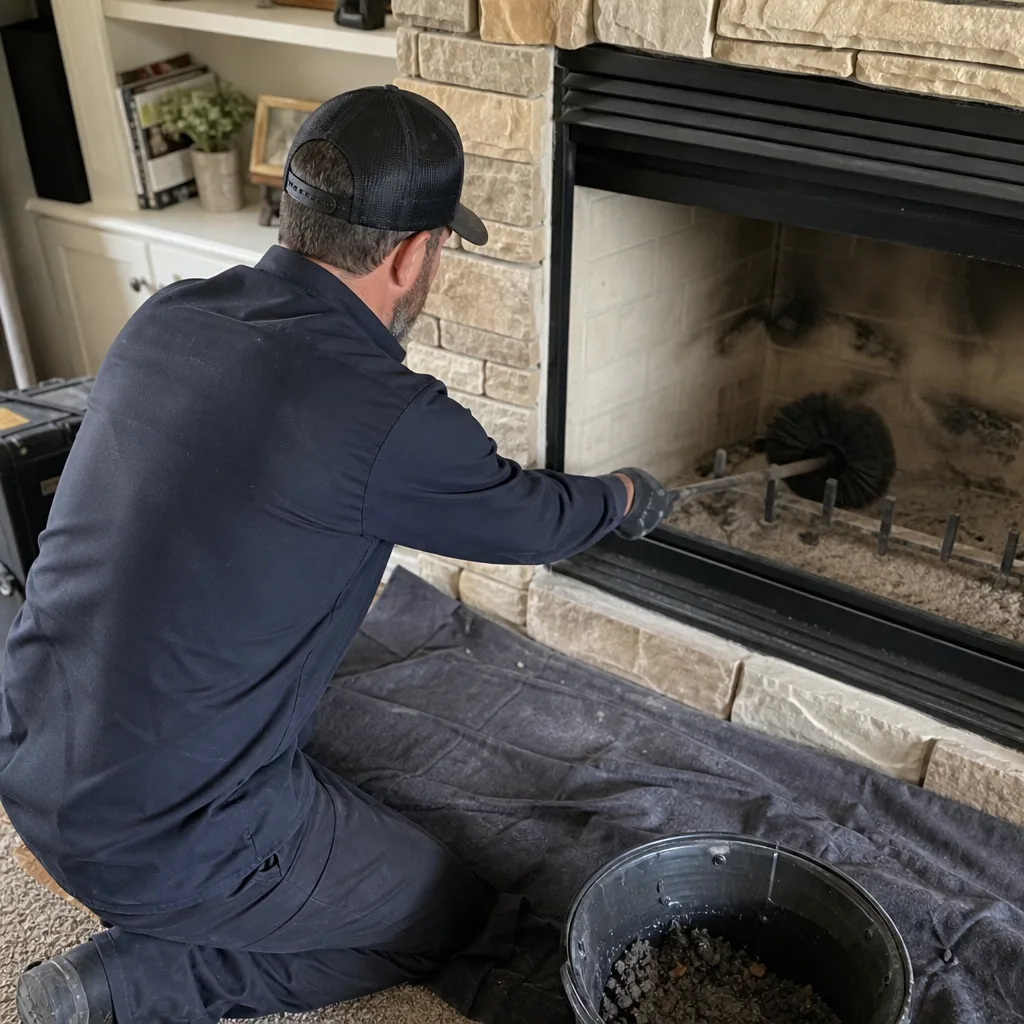
Chimney sweep logs do not sweep chimneys. They loosen some creosote - which then falls where a brush and vacuum still have to collect it.
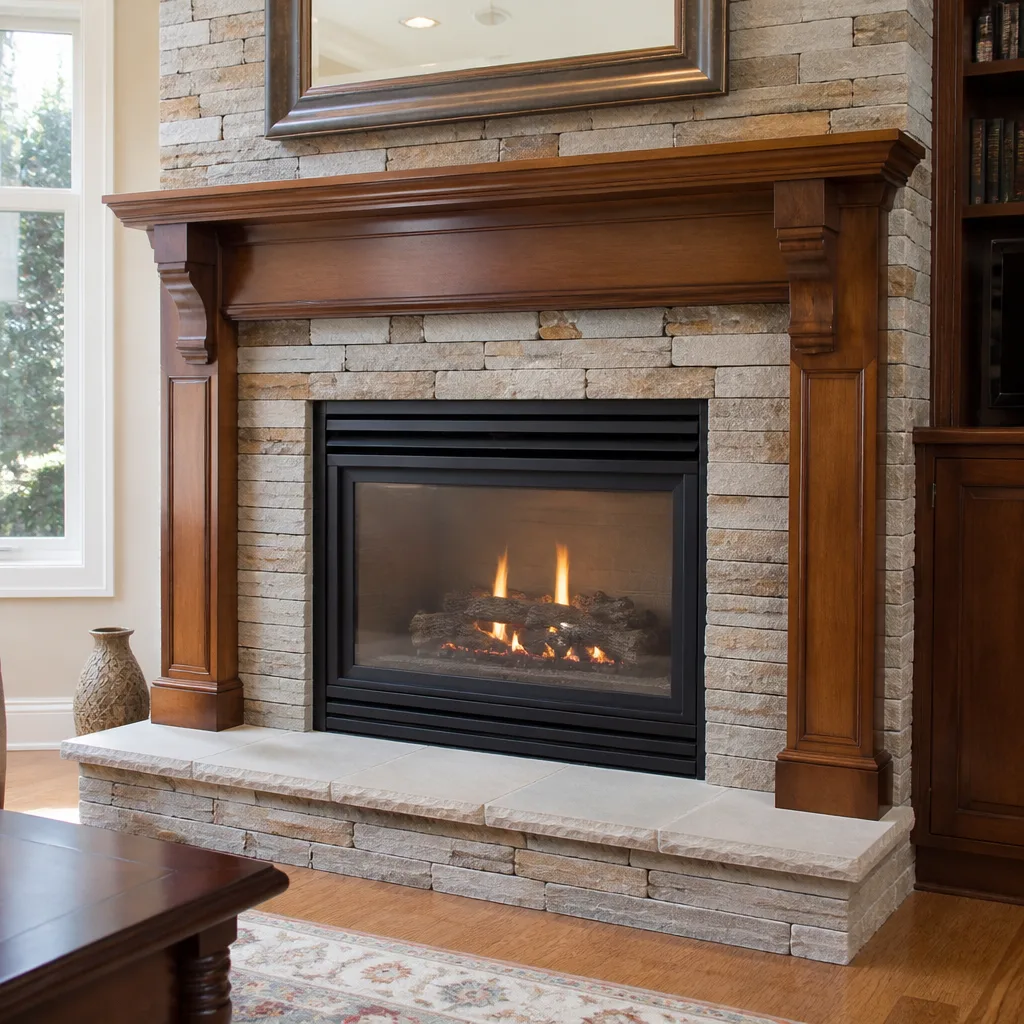
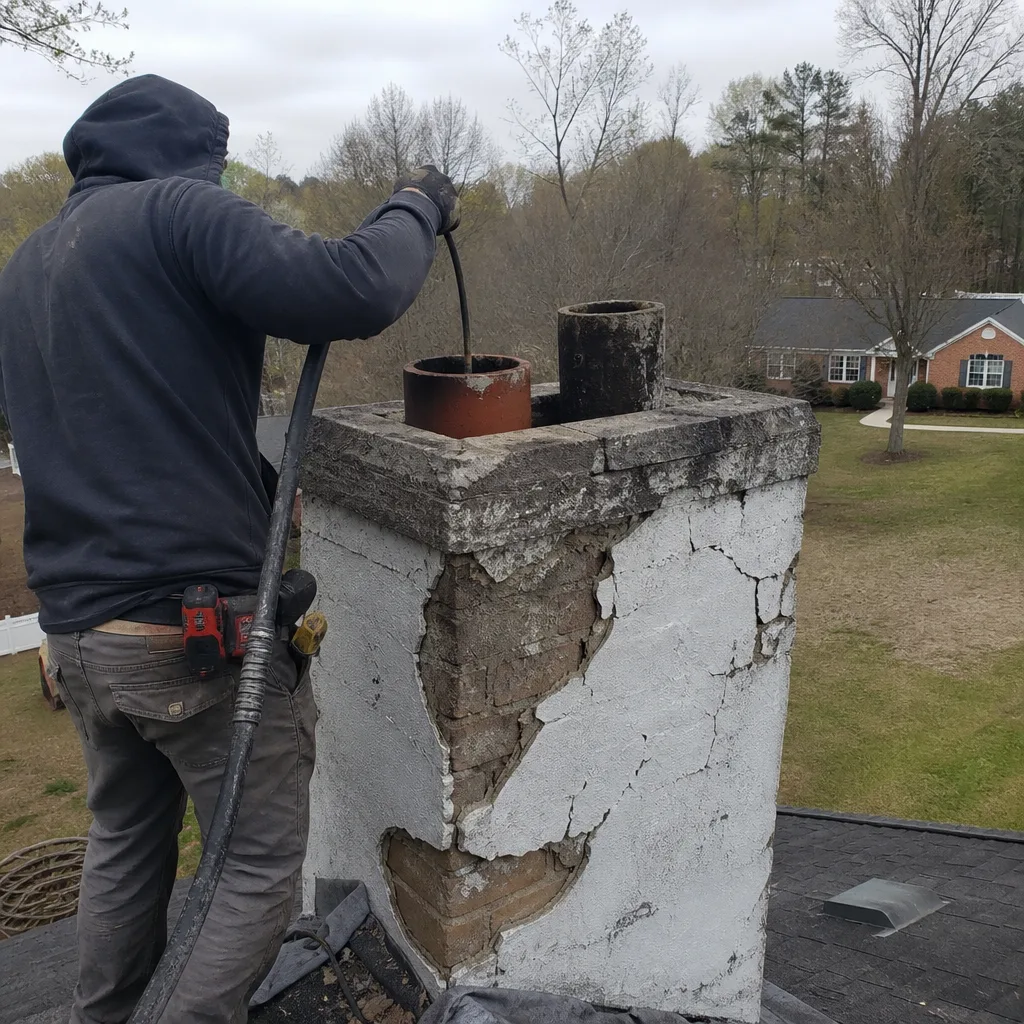 Before
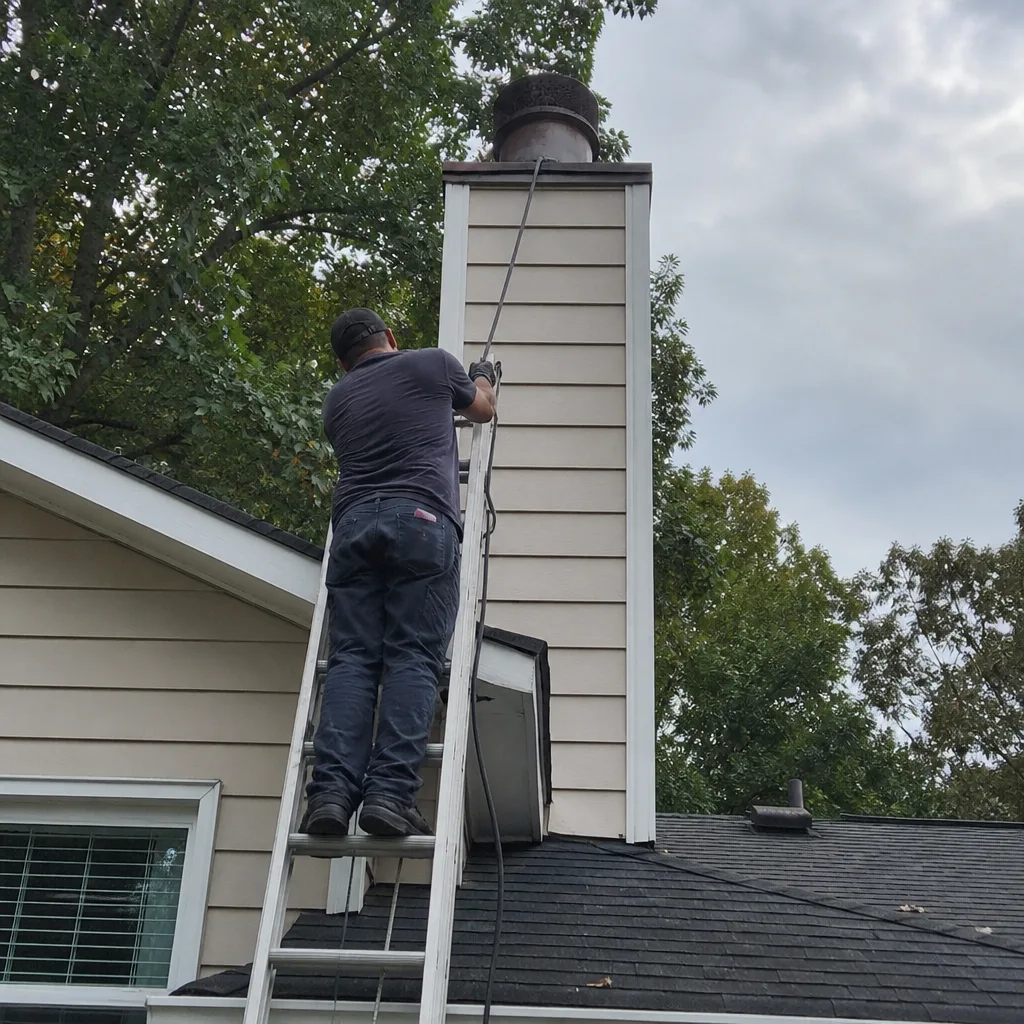 After
After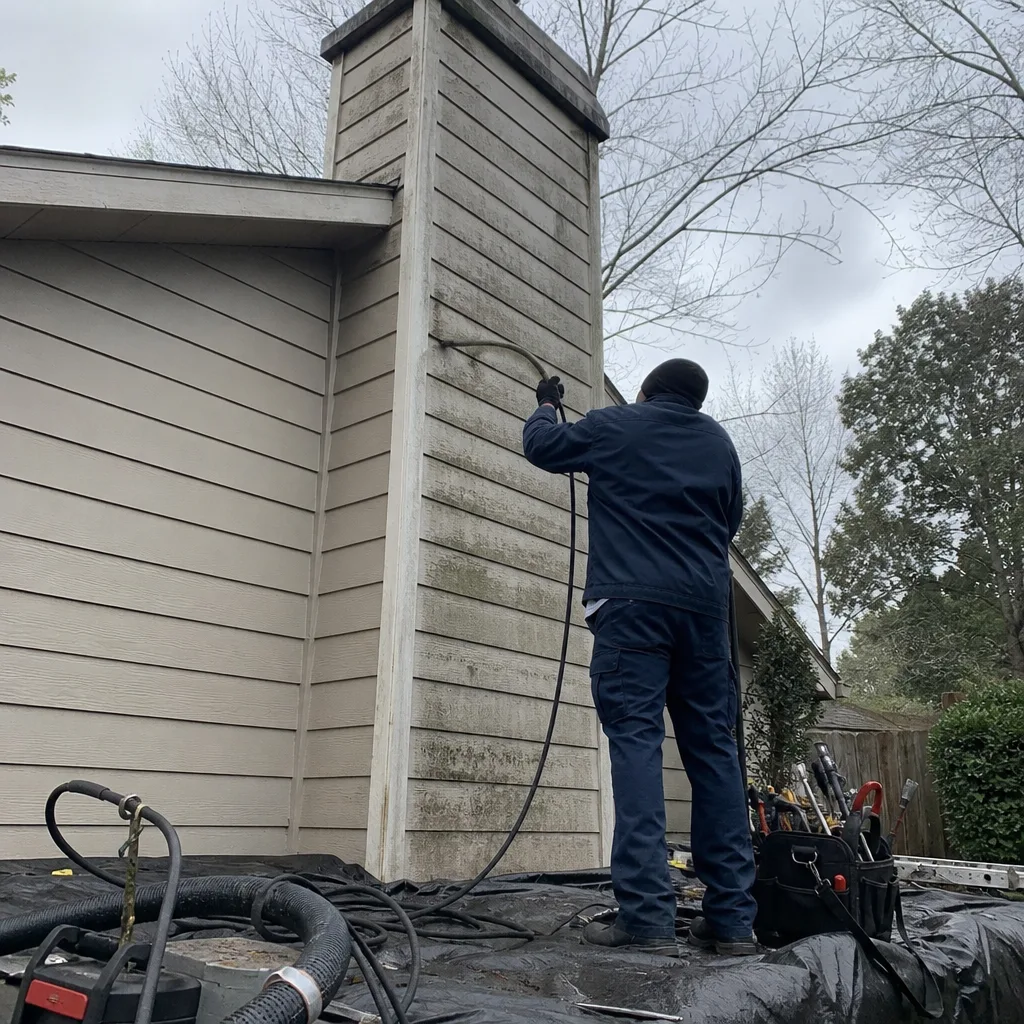 Before
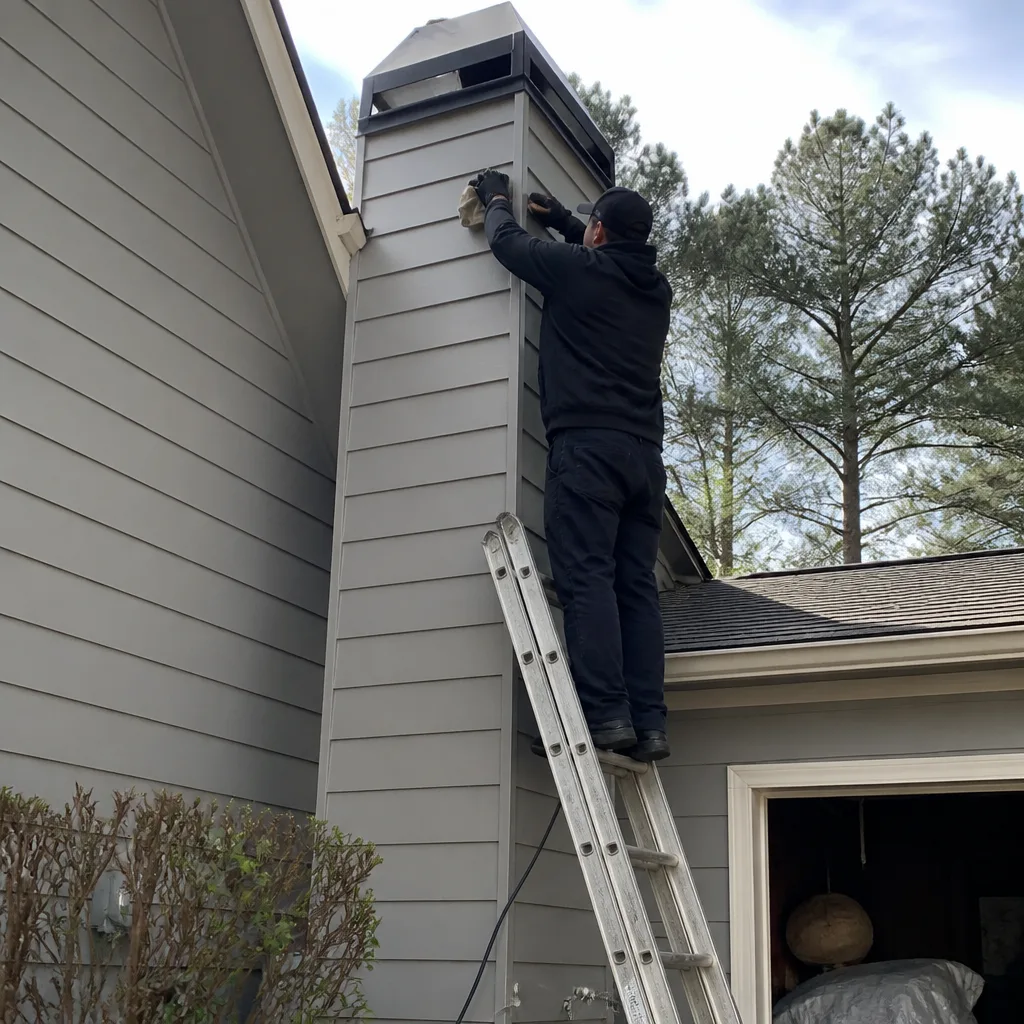 After
After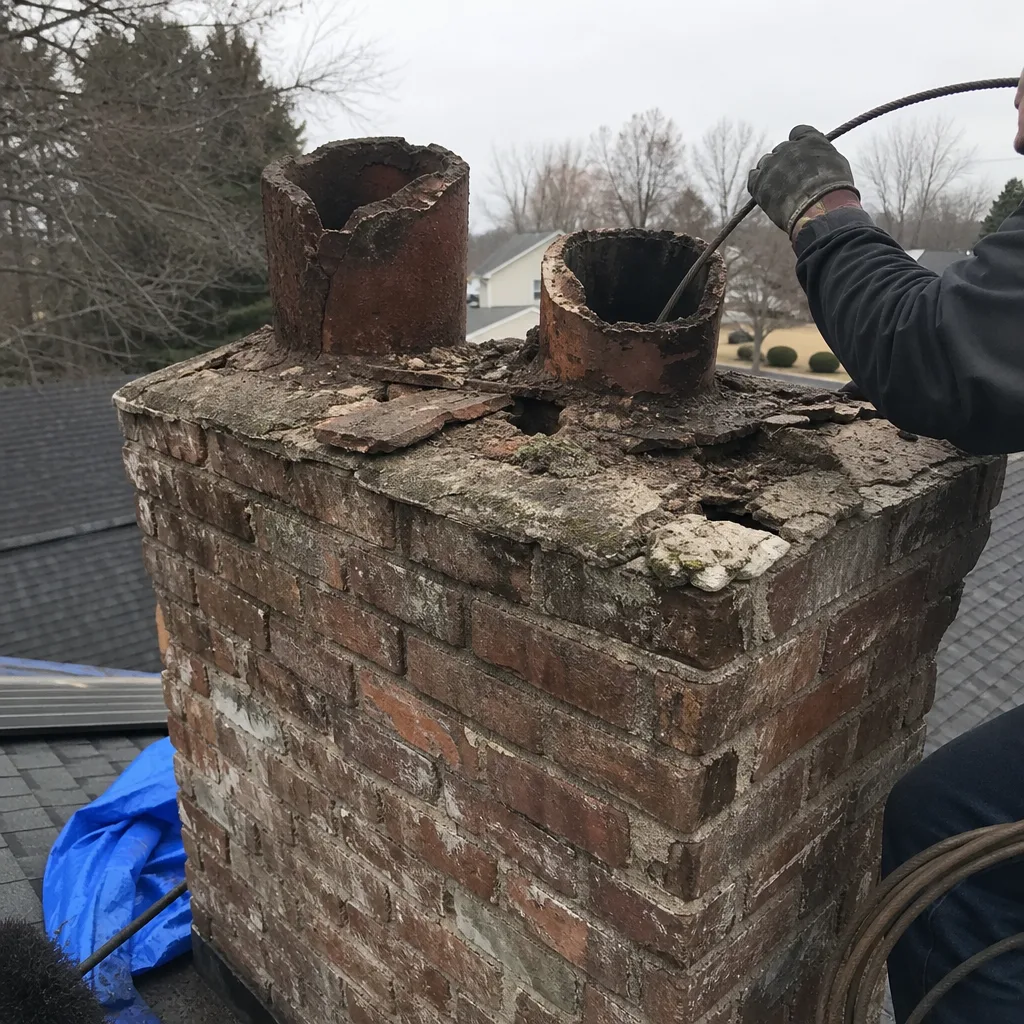 Before
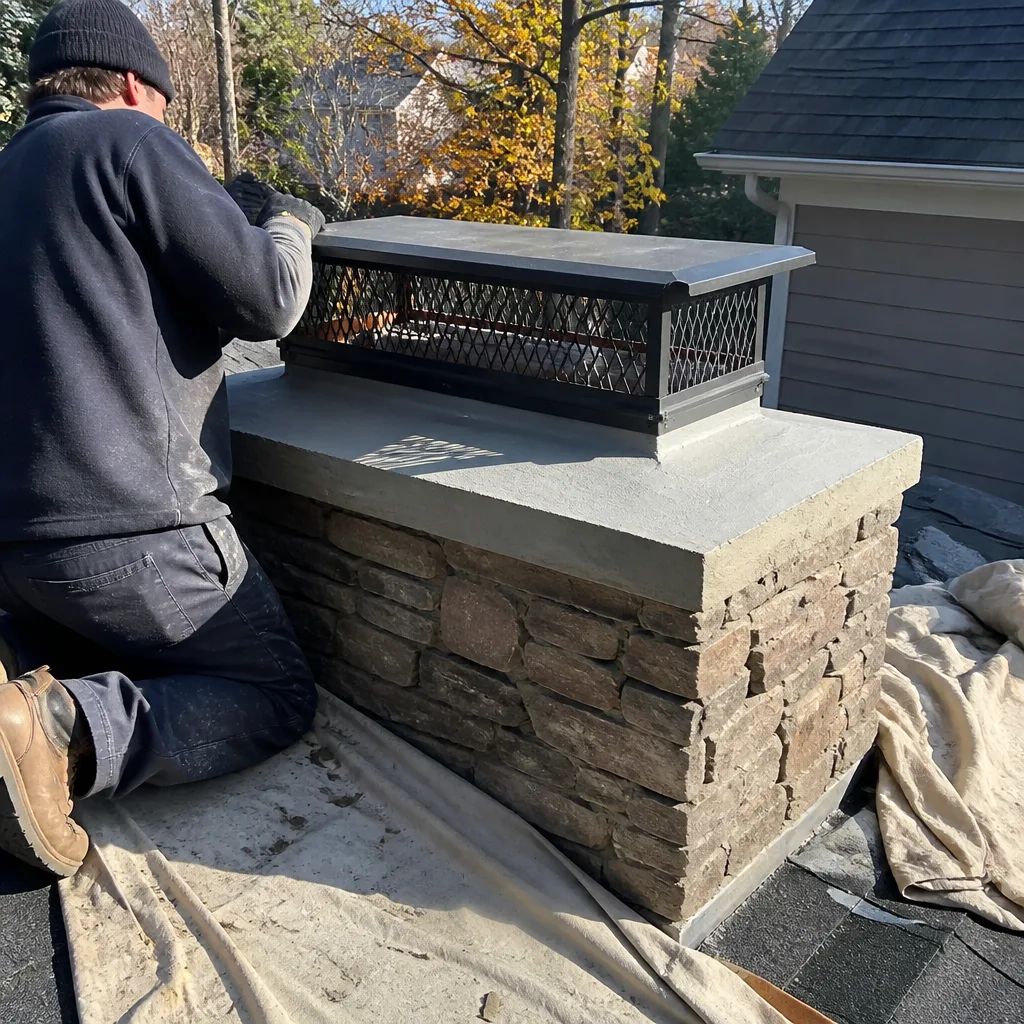 After
AfterSeasonal Chimney Cleaning Care for Kennesaw: Year-Round Homeowner’s Guide
Kennesaw averages 52 inches of rain a year - nearly 20 inches more than Chicago. That moisture difference means a Kennesaw chimney crown that’s not sealed by May is absorbing water through August, and the homeowner won’t see the result until the first fire of November reveals a spalled liner. Most chimney guides treat every city the same: clean in fall, burn in winter, repeat. For more guides & resources tailored to your situation, see our blog. But Kennesaw’s humid subtropical climate creates a chimney stress calendar that doesn’t match that pattern at all. In this guide, we’ll walk through what actually happens to your chimney each month in Kennesaw, when the highest-value maintenance window really is, and how to read the specific signs that tell you whether last season’s work held up.
Quick Answer
Chimney cleaning in Kennesaw should follow a weather-driven schedule: seal and inspect in late spring (May-June) before humidity peaks, burn-season clean in early fall (September-October) before the sweep queue fills, and assess for summer moisture damage each spring after burning ends. This calendar prevents the hidden water damage that causes most Kennesaw chimney failures.
Table of Contents
- Why May-June Is the Highest-Value Service Window in Kennesaw
- What Georgia’s Short, Intense Burning Season Does to Your Chimney
- Summer Damage Patterns: The Hidden Threat
- Fall Checklist: Timing for Kennesaw’s First Freeze
- Spring Assessment: Reading the Signs After Burning Season
- Month-by-Month Chimney Care Calendar for Kennesaw
- Common Mistakes to Avoid
- When to Call a Professional
- Frequently Asked Questions
- The Bottom Line
 Before
 After
AfterWhy May-June Is the Highest-Value Service Window in Kennesaw
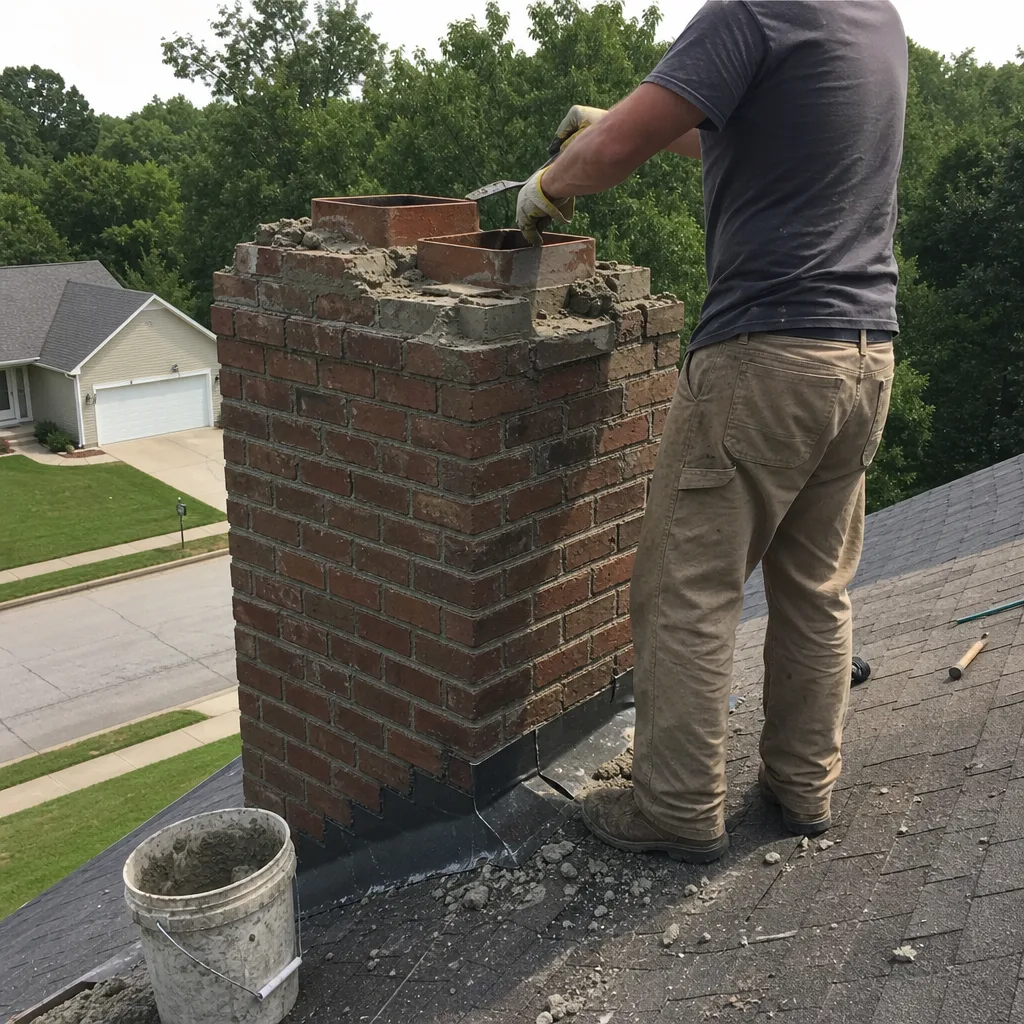
By late May in Kennesaw, the daily humidity average climbs past 70% and stays there until October. That sustained moisture is the single biggest threat to unprotected masonry in North Georgia. A chimney crown with hairline cracks - cracks too small to see from the ground - can absorb gallons of water over a single summer. When that water meets the freeze-thaw cycle of late November, it expands, flakes off surface mortar (spalling), and opens pathways straight to the flue liner.
We’ve inspected chimneys in Kennesaw’s Legacy Park neighborhood where the crown looked fine in April and had visible spalling by September. The homeowners didn’t notice until their November fire smelled like wet concrete. A chimney repair in Kennesaw that would have cost $400-$800 in May became a $2,200 liner replacement by December.
The May-June window matters because:
- Crown sealing works before saturation. A silicone-based crown seal applied to dry masonry in May forms a vapor-permeable barrier that lets the chimney breathe while blocking liquid water. Apply it in July and you’re sealing moisture inside.
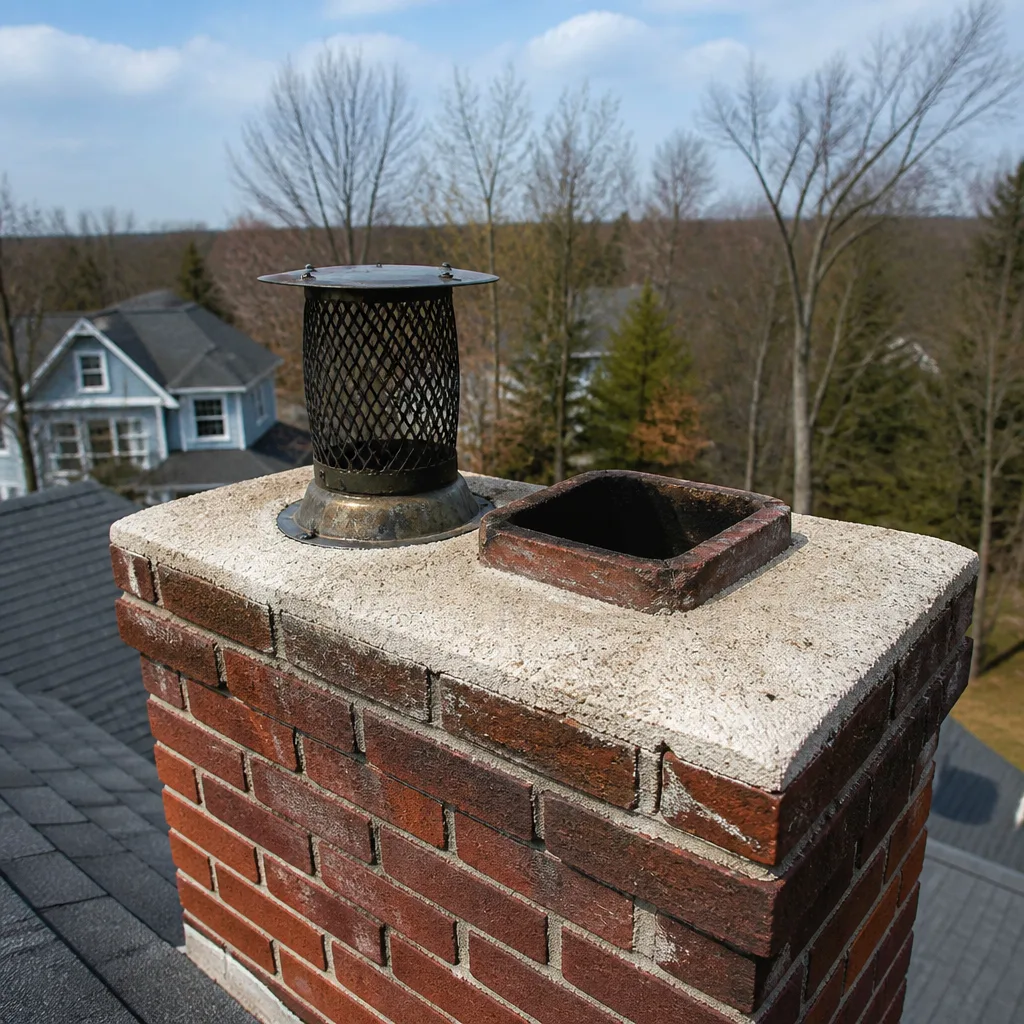
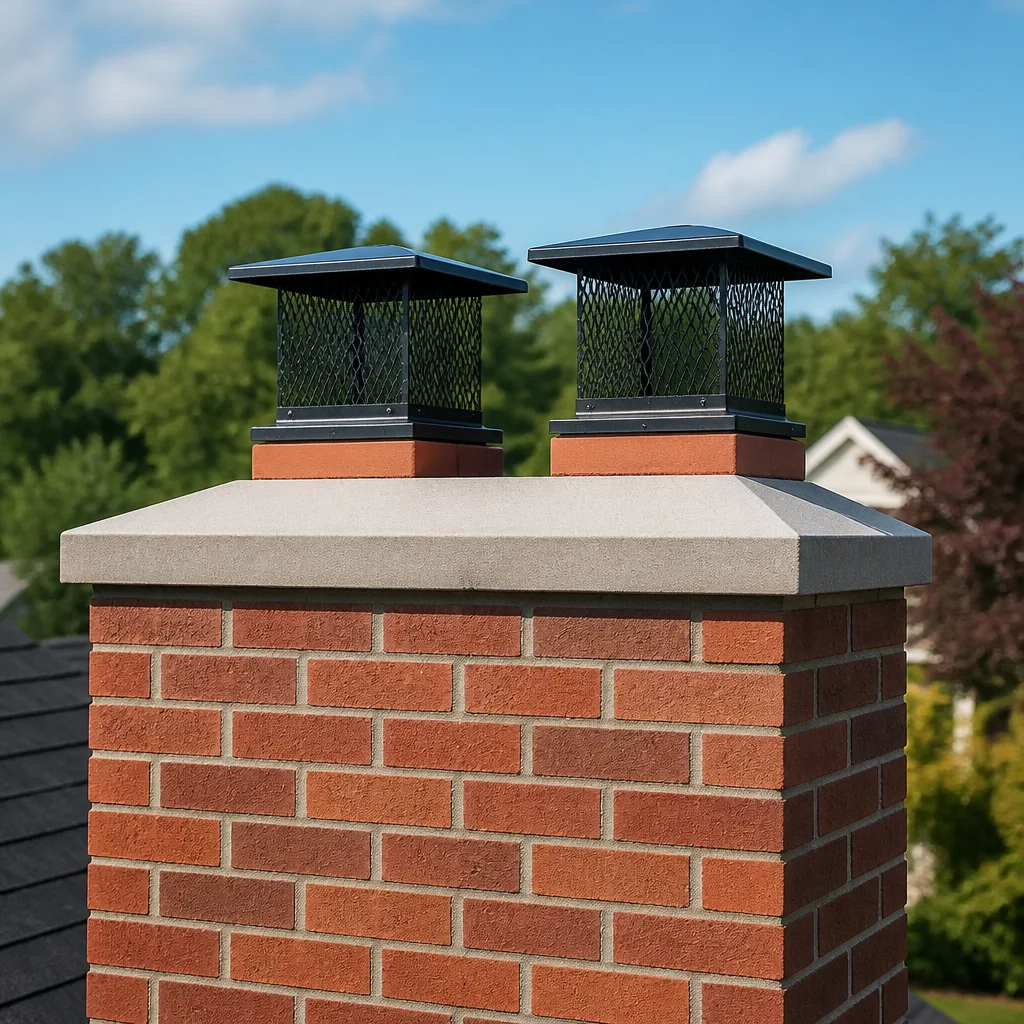
- Cap inspection reveals winter damage. The metal chimney cap took wind, hail, and thermal cycling from November through March. By May, any weld fatigue or mesh corrosion is visible but hasn’t yet progressed to gaping holes that admit summer rain and animal nesting.
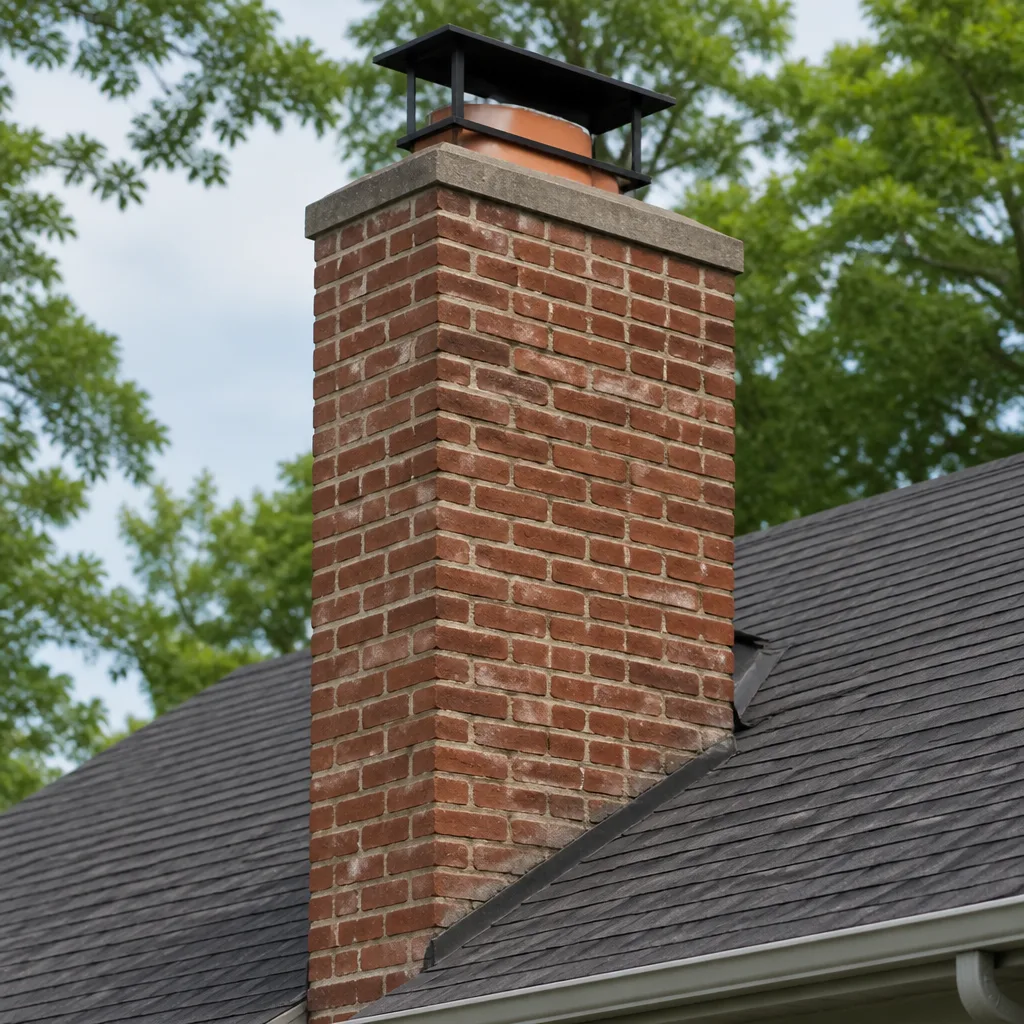
- Flashing gets tested by spring storms. Kennesaw’s March-April storm season delivers the year’s heaviest individual rainfall events. If the flashing (the metal seam where chimney meets roof) leaked, you’ll see water staining in the attic or on the ceiling near the hearth by May. Catch it now and it’s a $300-$500 reflash. Wait, and the decking rots.
- You’re ahead of the queue. Most Kennesaw homeowners think “chimney” in October. Book in May and your chimney cleaning and sweep in Kennesaw happens on your schedule, not after a three-week wait.
Under Clause 4 of the Haven Standard, every May-June inspection we perform includes a documented photo record of crown condition, cap integrity, and flashing seal - the baseline you’ll compare against next spring.
What Georgia’s Short, Intense Burning Season Does to Your Chimney
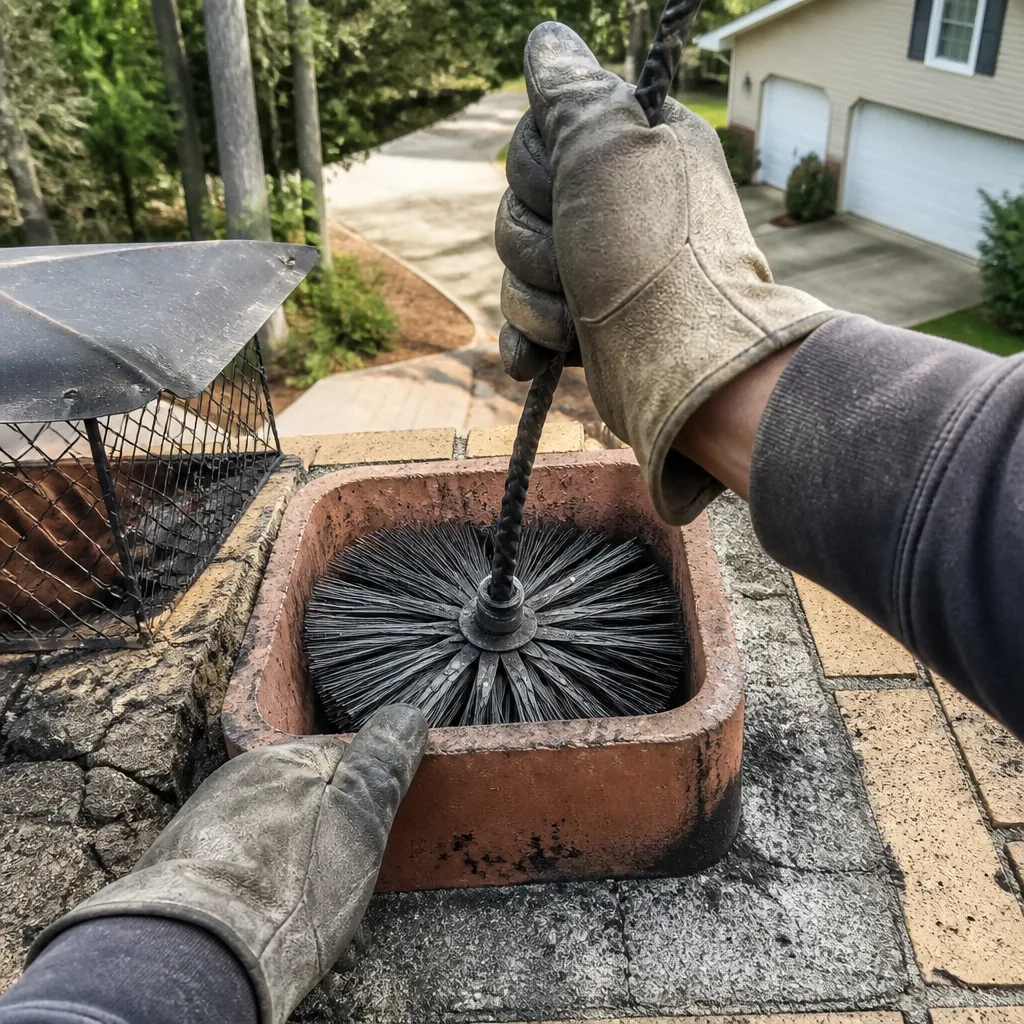
Georgia’s burning season runs roughly November through February - about 16 weeks, compared to 28+ weeks in Minneapolis or Boston. But Kennesaw homeowners often burn harder in those 16 weeks to compensate for the milder shoulder seasons. A stove that runs 4 hours nightly in Vermont might run 8 hours nightly in Kennesaw during a January cold snap. The result is concentrated creosote accumulation in a shorter timeframe.
Creosote forms in three classes:
- Class I: Sooty, powdery, brushes off easily. Normal for seasoned hardwood burned hot.
- Class II: Granular, crunchy, requires a rotary loop or chain whip. Indicates cooler fires or partially seasoned wood.
- Class III: Glazed, tar-like, hardened to the flue wall. Restricts draft, highly combustible. Requires mechanical removal with specialized equipment.
In Kennesaw, we see Class III creosote more often than our colleagues in colder climates. The pattern: homeowners light a fire during a 40°F evening, let it smolder overnight for “ambiance,” and repeat for weeks. Smoldering fires burn at 250-400°F, well below the 1,100°F needed for complete combustion. The unburned volatiles condense in the cooler upper flue as glazed creosote.
Our data from 38,000+ inspections shows Kennesaw chimneys swept after a single concentrated burning season often carry 1/4 to 3/8 inch of Class II-III buildup - enough to sustain a chimney fire if ignited by a stray spark. The NFPA 211 standard calls for inspection annually and cleaning when buildup reaches 1/8 inch. In Kennesaw’s compressed burning season, that threshold gets crossed faster than the calendar suggests.
Wood species matter locally, too. Kennesaw homeowners often burn whatever’s available: oak from downed trees, pine from yard clearing, or mixed cords from Craigslist. Pine and softwoods produce more creosote per BTU than hardwoods. A cord of pine burned in Kennesaw’s short season deposits roughly the same creosote load as 1.4 cords of seasoned oak. We always ask what you burned, not just how much.
Summer Damage Patterns: The Hidden Threat
The most expensive chimney damage in Kennesaw happens when no fire is lit. From May through September, an unused flue with a leaky cap becomes a condensation chamber. Warm, humid outside air enters the top, meets the cooler masonry mass (especially in air-conditioned homes), and condenses on the flue liner surface. That moisture activates salts left by winter combustion, accelerating liner corrosion and mortar joint deterioration.
We’ve pulled cameras up flues in Kennesaw’s Barrett Greene and Acworth Station areas where the stainless steel liner showed pinpoint rust pitting - not from fire, but from five months of summer condensation. The homeowner had no symptoms. No smell. No draft problem. The damage only appeared when we ran the camera at the pre-season inspection. Left unaddressed, those pits become perforations, and perforations mean combustion gases in the wall cavity.
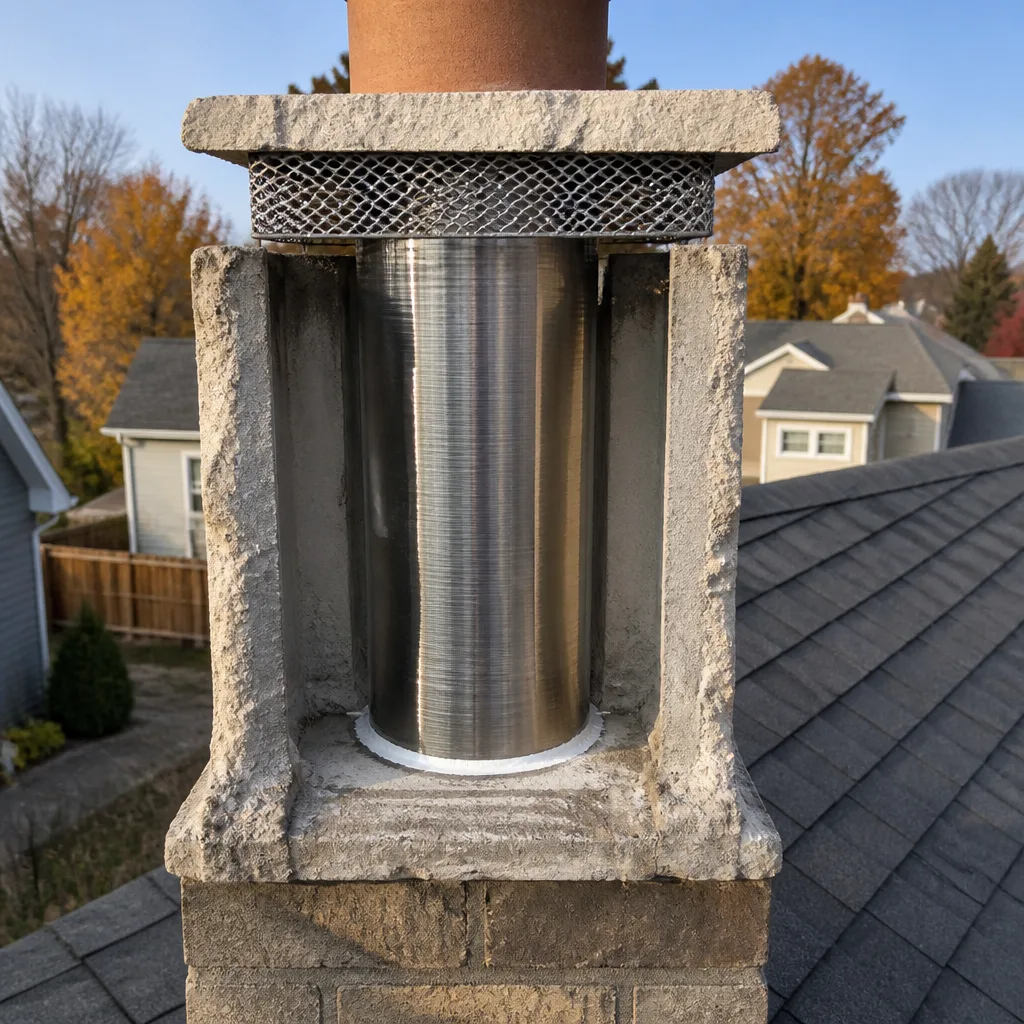
Clay tile liners suffer differently. Summer moisture wicks through porous mortar joints, dissolves free lime, and redeposits it as efflorescence (white powder) on the tile face. That efflorescence is evidence of internal material loss - the joint is literally dissolving. By fall, the tile may be structurally sound but the joint is recessed, creating a gap that collects creosote and weakens the liner system.
The specific summer threats:
- Cap failure admitting bulk water. A cap with corroded mesh or a dislodged lid lets direct rainfall into the flue. In Kennesaw’s summer thunderstorm pattern, a single 2-inch storm can introduce 10+ gallons if the opening is unprotected.
- Crown cracks from thermal shock. Dark concrete absorbs solar radiation, reaching 140°F+ by afternoon. A summer downpour drops surface temperature 60°F in minutes. That thermal shock propagates microcracks into fractures.
- Flashing sealant degradation. UV exposure and daily thermal cycling break down polyurethane flashing sealants in 18-36 months. Kennesaw’s UV index peaks in June-July, accelerating the timeline.
Materials we use for summer remediation are selected for this climate. For crown sealing, we specify products from HeatShield or Gelco with demonstrated performance in high-humidity, high-UV environments. For cap replacement, Olympia Chimney stainless models with welded seams resist the condensation corrosion pattern we see in Kennesaw. These aren’t generic recommendations; they’re what our documented records show holds up in this specific weather pattern.
Fall Checklist: Timing for Kennesaw’s First Freeze
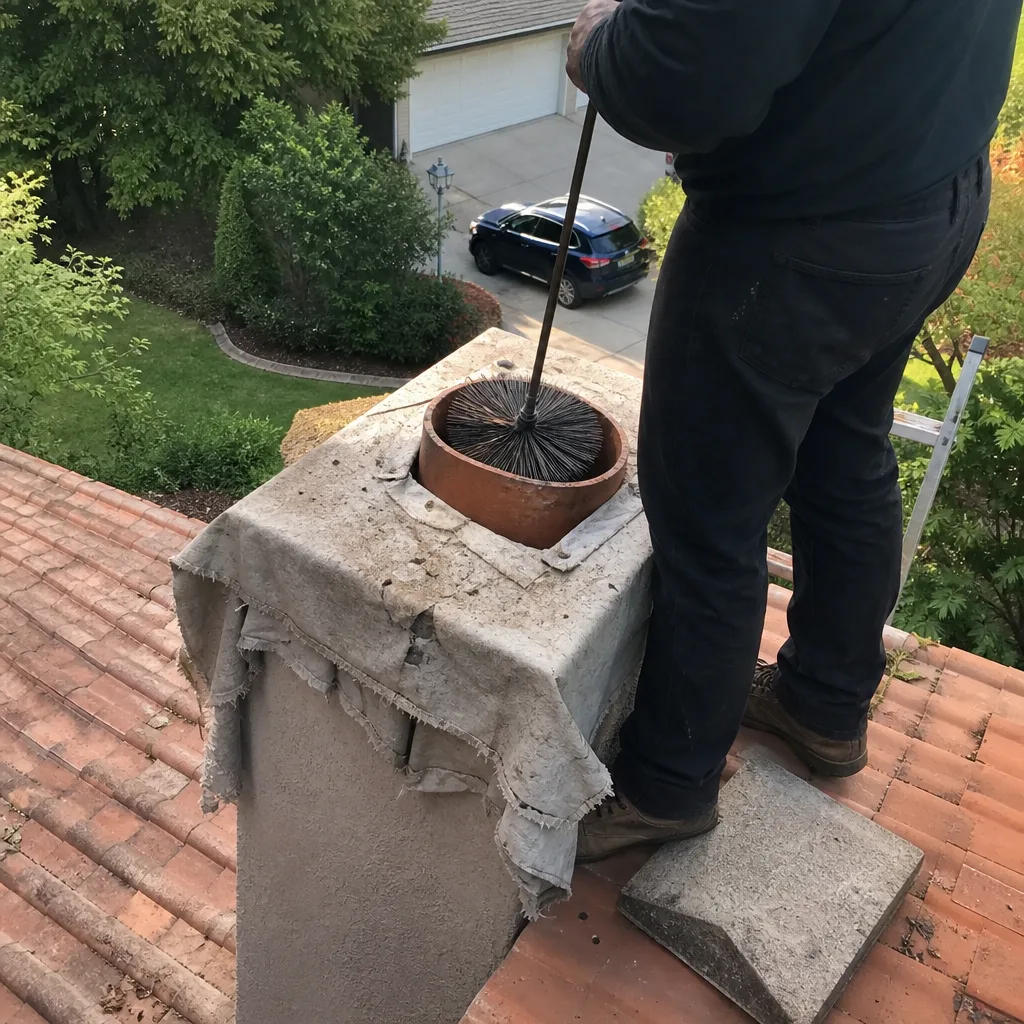
Kennesaw’s first freeze probability arrives in late November - historically around November 15-20, though recent winters have pushed later. That timing creates a predictable crunch: homeowners who wait until the first cold morning to think about their chimney find themselves at the back of a queue that stretches past Thanksgiving.
Our call volume at Level Two Chimney Kennesaw typically doubles between October 15 and November 15. The technicians we assign to Kennesaw routes - background-checked, uniformed, with license information displayed - book 10-14 days out by late October. A homeowner calling on November 1 is often scheduled for November 12-18, right when the first freeze hits.
The fall checklist we recommend, timed for mid-September to mid-October:
- Schedule the NFPA 211 Level 2 inspection. This is the camera-down-the-flue standard, not a flashlight look from the hearth. In Kennesaw, this inspection specifically checks for summer moisture damage: liner corrosion, crown spalling, and efflorescence patterns that weren’t visible in spring.
- Verify the sweep if you burned last season. If you skipped spring cleaning, the creosote load from last winter is still there, hardened by summer heat. Class III glazed creosote becomes more adherent with time. A rotary sweep with chain whips or polypropylene heads may be needed.
- Test the damper and smoke chamber. The smoke chamber (the inverted funnel above the firebox) is where most chimney fires start. Summer humidity can rust cast iron dampers and degrade smoke chamber parging (the mortar coating). The camera inspection includes this area; ask to see the footage.
- Check exterior masonry for new cracks. Walk the perimeter. Look for spalled brick faces, displaced mortar, or new gaps at the chimney-shoulder junction. Kennesaw’s summer storms and winter freeze-thaw both attack these areas.
- Confirm cap and spark arrestor integrity. The mesh should be intact, the lid secure, and the animal screen unbreached. Squirrels and raccoons are active in Kennesaw’s fall; a compromised cap is an invitation.
We deliver a written price, written scope, and written warranty before any work begins - Clause 1 of the Haven Standard. No exceptions. If a competitor has given you a quote, we’ll provide a Free Second Opinion with our own camera documentation.
Spring Assessment: Reading the Signs After Burning Season
March and April in Kennesaw bring pollen, erratic temperatures, and the end of burning season for most homeowners. This is when you assess whether last year’s cleaning held up and whether the chimney needs attention before summer moisture sets in.
The specific signs to check on the firebox floor and smoke chamber:
- Ash accumulation with oily residue: Normal ash is dry and gray. Ash with a black, tarry film indicates incomplete combustion and creosote formation even in your “clean” fires. The smoke chamber above likely has fresh buildup.
- Smoke stains above the lintel: The lintel is the steel or concrete support above the firebox opening. New smoke staining means draft reversal or smoke chamber turbulence - often from creosote narrowing the flue throat.
- Spalled or pitted firebrick: The refractory brick lining the firebox degrades from thermal cycling and moisture. Pitting that wasn’t there in fall suggests water intrusion from a leaking throat seal or damaged damper frame.
- Damper operation resistance: A damper that stuck closed once or twice during burning season has corrosion or creosote buildup on the hinge or frame. It won’t improve with disuse.
The smoke chamber deserves particular attention in spring. It’s the hardest area to clean properly and the most common site of hidden creosote accumulation. A proper smoke chamber cleaning requires access through the damper throat or from the roof, using specialized rods and whips. In Kennesaw’s humid climate, creosote residue in the smoke chamber absorbs summer moisture, becomes acidic, and attacks the parging mortar. We’ve found smoke chambers in Kennesaw’s Cherokee Street corridor homes where the parging was 60% degraded - not from fire, but from three seasons of moist creosote contact.
Spring is also when you review your documentation. Under Clause 4 of the Haven Standard, you have a photo record from every visit. Compare this spring’s visual inspection to last fall’s camera footage. Has the crown crack propagated? Is the efflorescence pattern new? Documentation turns “I think it looks worse” into “the crack grew 3/8 inch.” That specificity matters for warranty claims, insurance records, and deciding whether to repair or monitor.
If you’re considering fireplace services in Kennesaw like insert upgrades or gas conversion, spring pricing from suppliers including Famco and Copperfield through our buying network is typically 10-15% below fall peak demand.
Month-by-Month Chimney Care Calendar for Kennesaw
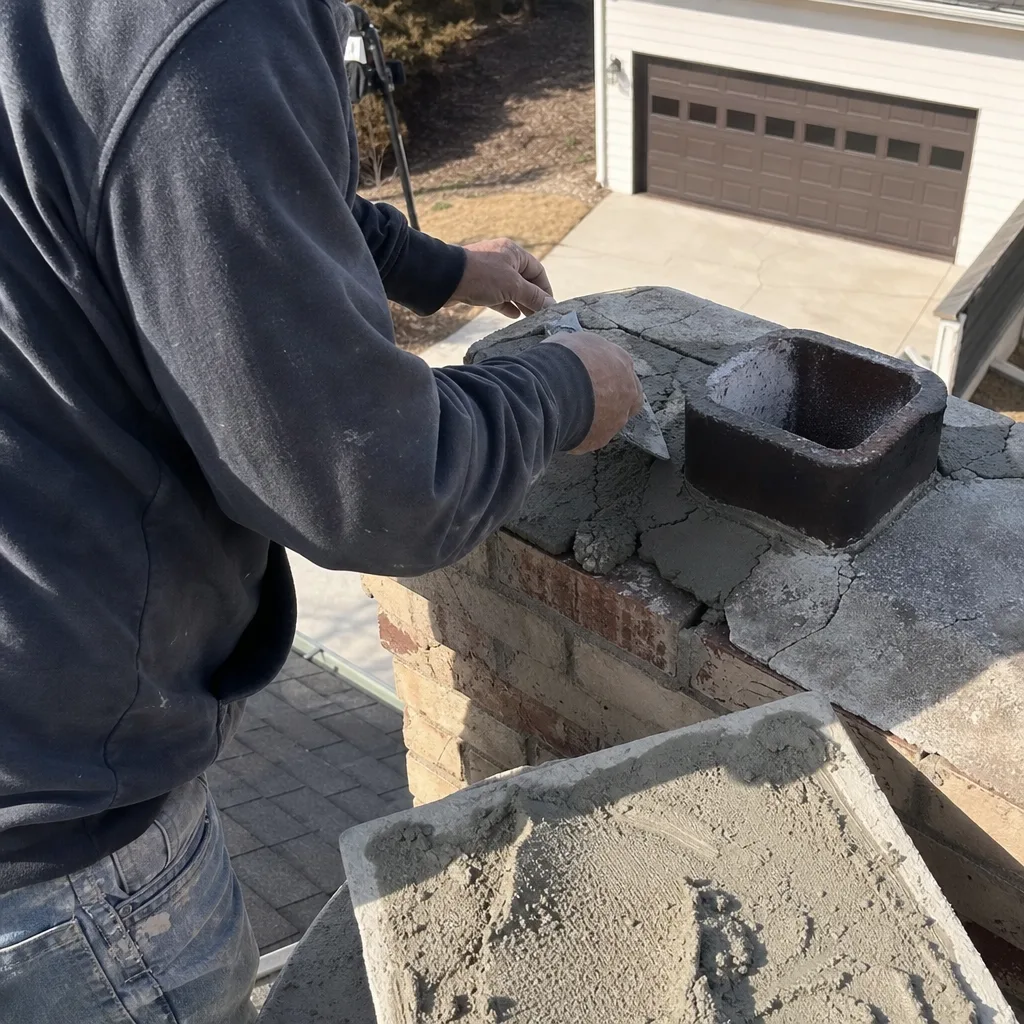
January-February: Peak Burning
You’re using the chimney most now. Key tasks: burn only seasoned hardwood (under 20% moisture), maintain hot fires with visible flame, and never let the fire smolder overnight. If you smell acrid smoke or hear a rumbling/roaring from the flue, that’s a chimney fire - evacuate and call 911. After the incident, the flue must be camera-inspected before reuse; thermal shock cracks clay tiles and deforms stainless liners in ways invisible from below.
March: Burn Season Ends, Assessment Begins
Stop burning when daytime highs consistently reach 65°F+. Schedule your post-season assessment. We check firebox, smoke chamber, and damper for wear patterns that appeared during heavy use. This is also when we document baseline conditions before summer moisture exposure.
April: Storm Season Check
Kennesaw’s severe weather peak. After major storms, visually inspect from ground level: is the cap still seated? Any new masonry debris on the roof or ground? Call for a camera inspection if you suspect impact damage - hairline cracks in clay tile propagate under thermal load.
May-June: The Critical Window
Schedule crown sealing, cap replacement or repair, and flashing inspection. Humidity hasn’t peaked; masonry is dry from spring winds. This is the highest-value maintenance window in the entire Kennesaw calendar. We book heavily in these months - reserve early.
July-August: Monitor, Don’t Neglect
Visually inspect after severe storms. Check attic spaces near the chimney for musty odors indicating flashing leakage. If you smell chimney odor inside during heavy humidity, the flue is breathing - cap or damper seal failure. Address before fall.
September-October: Pre-Season Preparation
Schedule your NFPA 211 Level 2 inspection and sweep if needed. This is your last window before queue delays. We deliver written pricing before work starts, with scope specific to what the camera finds. Materials from DuraFlex and Olympia Chimney are stocked for common Kennesaw liner and cap configurations.
November: First Freeze Readiness
By November 1, your inspection, sweep, and any repairs should be complete. Test your fire with a small, hot burn first. Verify draft direction (hold a lit match at the firebox - flame should bend toward the flue). Any reversal indicates blockage or negative pressure issues requiring professional assessment.
December: Maintenance Mode
Continue best-burn practices. Keep records of wood source and any operational issues. If you experience draft problems, don’t guess - a camera inspection identifies the cause without dismantling anything.
Common Mistakes to Avoid
- Waiting for “chimney weather” to book. In Kennesaw, the October rush means delayed service and rushed work. The smart booking is May for waterproofing, September for inspection.
- Assuming no fire last year means no inspection needed. Summer moisture damage progresses regardless of use. We’ve replaced liners in chimneys that hadn’t burned in three years - condensation did the damage.
- Accepting a flashlight inspection as sufficient. A flashlight from the hearth sees 15% of the flue. The NFPA 211 Level 2 camera inspection is the standard for a reason; anything less misses the damage patterns Kennesaw’s climate creates.
- Burning pine or construction scraps “just this once.” Pine’s resin content creates rapid Class III creosote. Construction lumber contains chemical treatments that release toxic compounds and accelerate liner corrosion. The “once” often becomes a season.
- Ignoring musty chimney odors in summer. That smell is moisture + organic material in the flue. It means cap failure, damper leak, or both. Left unaddressed, it becomes liner degradation and indoor air quality issues.
- DIY crown sealing with hardware-store caulk. Standard silicone caulk traps moisture and fails in 6-12 months on chimney crowns. Proper crown sealants are vapor-permeable, UV-stable, and rated for 200°F+ surface temperatures. The $8 tube costs $800 in rework.
- Skipping documentation between service providers. Without a photo record, you have no baseline to compare year over year. Clause 4 of the Haven Standard exists because we’ve seen too many homeowners pay for the same repair twice due to lost records.
When to Call a Professional
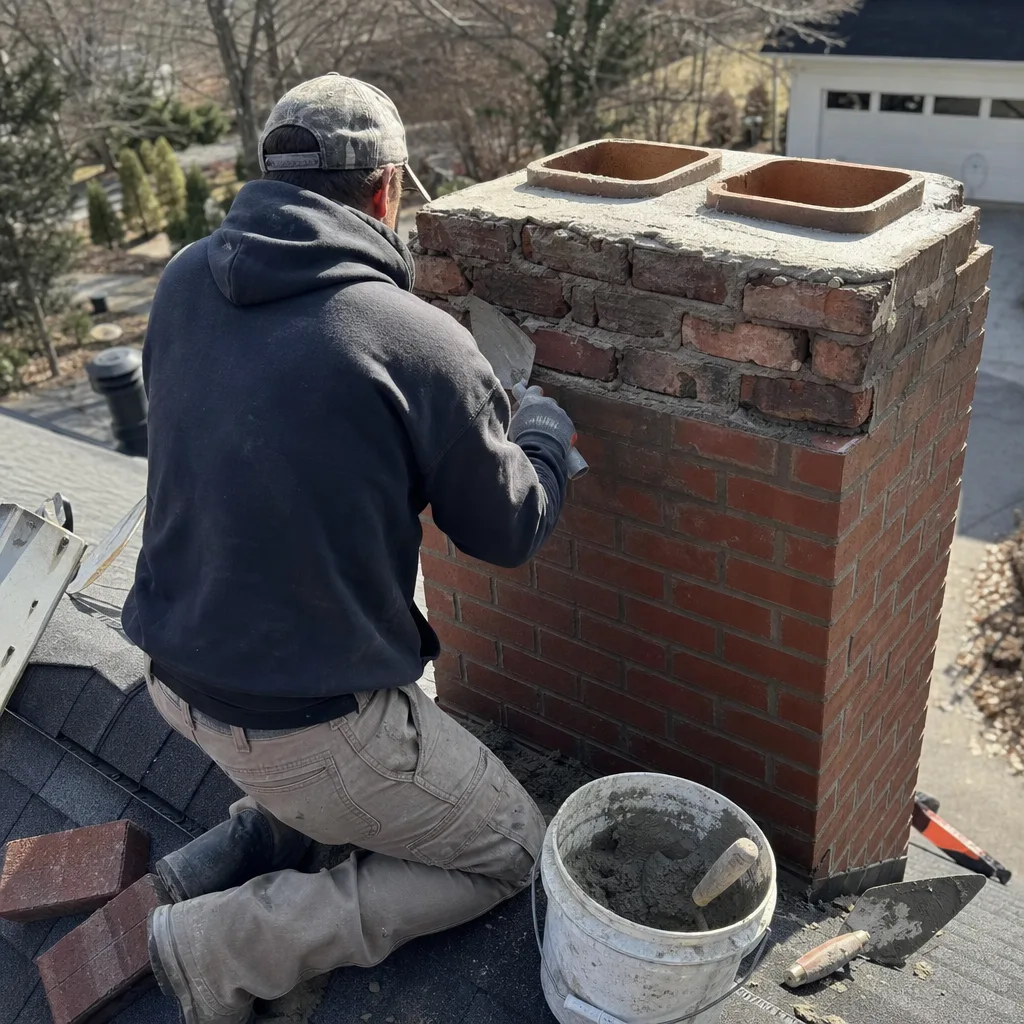
Call for a camera inspection if you notice smoke staining on interior walls near the chimney, a persistent acrid odor during burning, visible masonry debris on the roof or ground, or any change in draft performance (smoke entering the room, longer kindling times, or unusual wind noise from the flue). These symptoms indicate conditions that a flashlight inspection cannot diagnose.
Call immediately if you’ve had a chimney fire - even a brief one. Thermal shock damages flue liners in ways that the next fire can exploit, with carbon monoxide or structural fire as potential outcomes.
Level Two Chimney Kennesaw offers free estimates in Kennesaw - call (678) 535-2204. Every estimate includes the NFPA 211 Level 2 camera inspection, documented photo record, and written price before any work begins. Live phone support runs 24 hours a day, 7 days a week.
Frequently Asked Questions
A standard chimney sweep in Kennesaw typically ranges from $199-$349 for a single flue with Class I-II creosote, while Class III glazed removal or multi-flue systems run $389-$625 depending on access and equipment needed. See our Chimney Cleaning Cost Breakdown: The Kennesaw Homeowner’s Reference for 2026 for full pricing details. We deliver a written price before any work starts - no exceptions - and include the NFPA 211 Level 2 camera inspection plus documented photo record on every visit. Call (678) 535-2204 for an exact quote; estimates are free.
You need a new liner when the camera inspection shows cracks, perforations, or deformation that compromise containment of combustion gases - cleaning cannot repair structural failure. In Kennesaw’s climate, we most often recommend replacement when summer moisture corrosion has thinned stainless steel to perforation risk, or when thermal shock from a chimney fire has fractured clay tile. We show you the camera footage and explain exactly what we see before recommending any work. If a competitor has recommended replacement, bring us their written estimate for a Free Second Opinion.
The NFPA 211 standard requires annual inspection; cleaning frequency depends on use and fuel. In Kennesaw’s compressed burning season, most wood-burning homeowners need sweeping annually or after every cord of wood burned. Gas fireplaces need less frequent cleaning but still require annual inspection of the venting system, particularly in humid climates where condensation accelerates corrosion of metal vent connectors. We document creosote thickness on every visit so you have data for next year’s decision.
The most common outcome is progressive moisture damage: crown cracks admit water, water degrades mortar joints, degraded joints allow flue gas leakage into wall cavities. The worst outcome is chimney fire from ignited creosote - Kennesaw Fire Department responds to 12-20 chimney fires annually in a typical winter. Carbon monoxide intrusion from cracked liners is the silent risk; it produces no visible symptom until levels become dangerous. Annual inspection catches all three patterns early. Call (678) 535-2204 to schedule; estimates are free.
Summer chimney odor in Kennesaw is almost always moisture-driven: humid air enters through a leaky cap or failed damper seal, activates residual creosote and soot, and produces a musty, acrid smell that intensifies with humidity. The solution is finding and sealing the entry point - cap replacement, damper repair, or top-sealing damper installation - not masking the odor with sprays. We diagnose the source with camera inspection and smoke testing.
Crown sealing and flashing repair require specific materials and access equipment; improper application traps moisture and accelerates damage. We recommend professional application with vapor-permeable, UV-stable sealants rated for chimney surfaces. That said, homeowners can perform useful visual monitoring: check for new cracks after storms, verify cap position, and note any interior water staining. Document what you see and share it when you call - it helps us target the inspection. For the work itself, call (678) 535-2204 for a written estimate.
The Bottom Line
Kennesaw’s 52 inches of annual rainfall and humid subtropical climate create a chimney maintenance calendar that inverts the standard advice. The highest-value window is May-June, when sealing and inspection prevent summer moisture damage that won’t show symptoms until November. Georgia’s short, intense burning season concentrates creosote accumulation, making fall preparation essential but not the whole story. Year-round, the pattern is consistent: document conditions with camera inspection, address moisture before it becomes structural damage, and never commit to work without seeing evidence you can understand. The 365-Day Done Right Promise backs every job we complete - if it’s not done right, we make it right.
Written by Corrine Halstead, Owner at Level Two Chimney Kennesaw, serving Kennesaw since 2009.