
Last updated September 22, 2026
Level 1 sweep and inspection to the NFPA 211 annual standard - flue, crown, cap, and flashing checked and photographed
Chimney sweep logs do not sweep chimneys. They loosen some creosote - which then falls where a brush and vacuum still have to collect it.
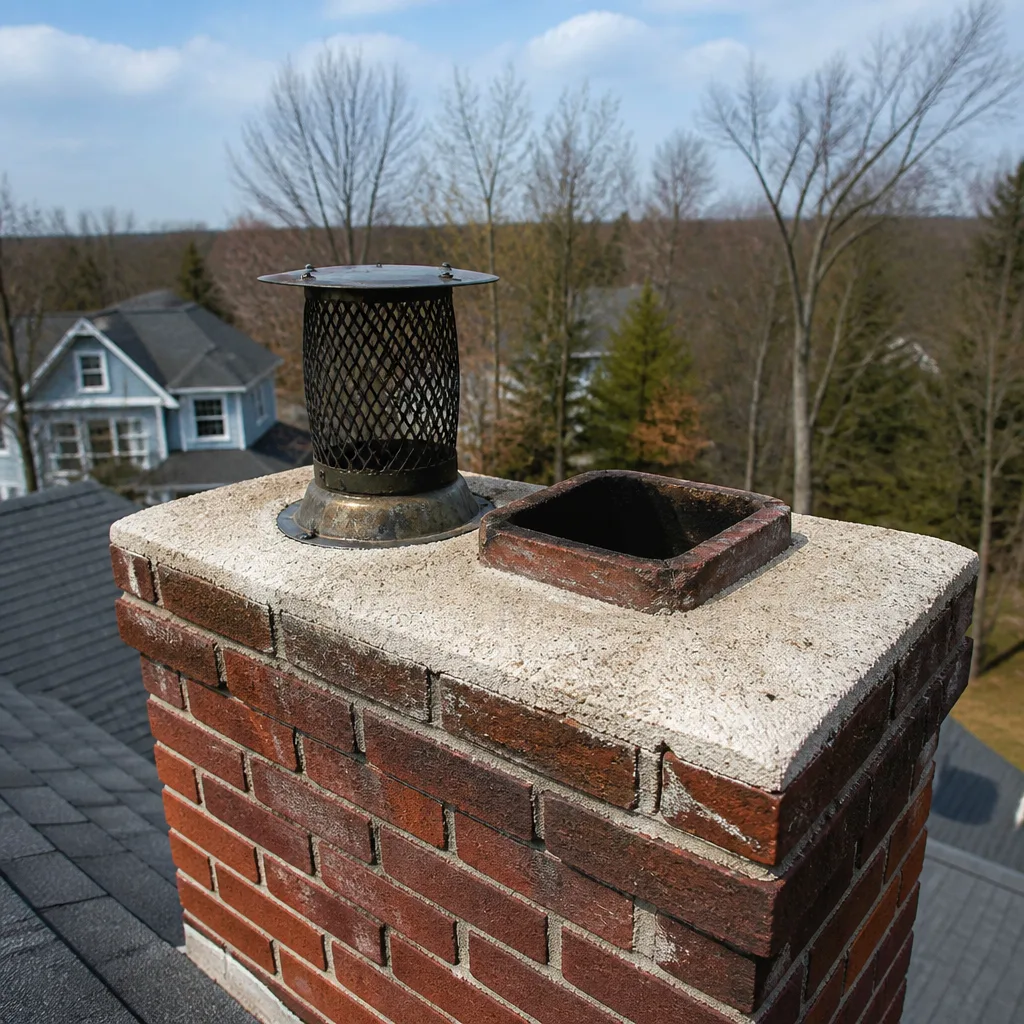
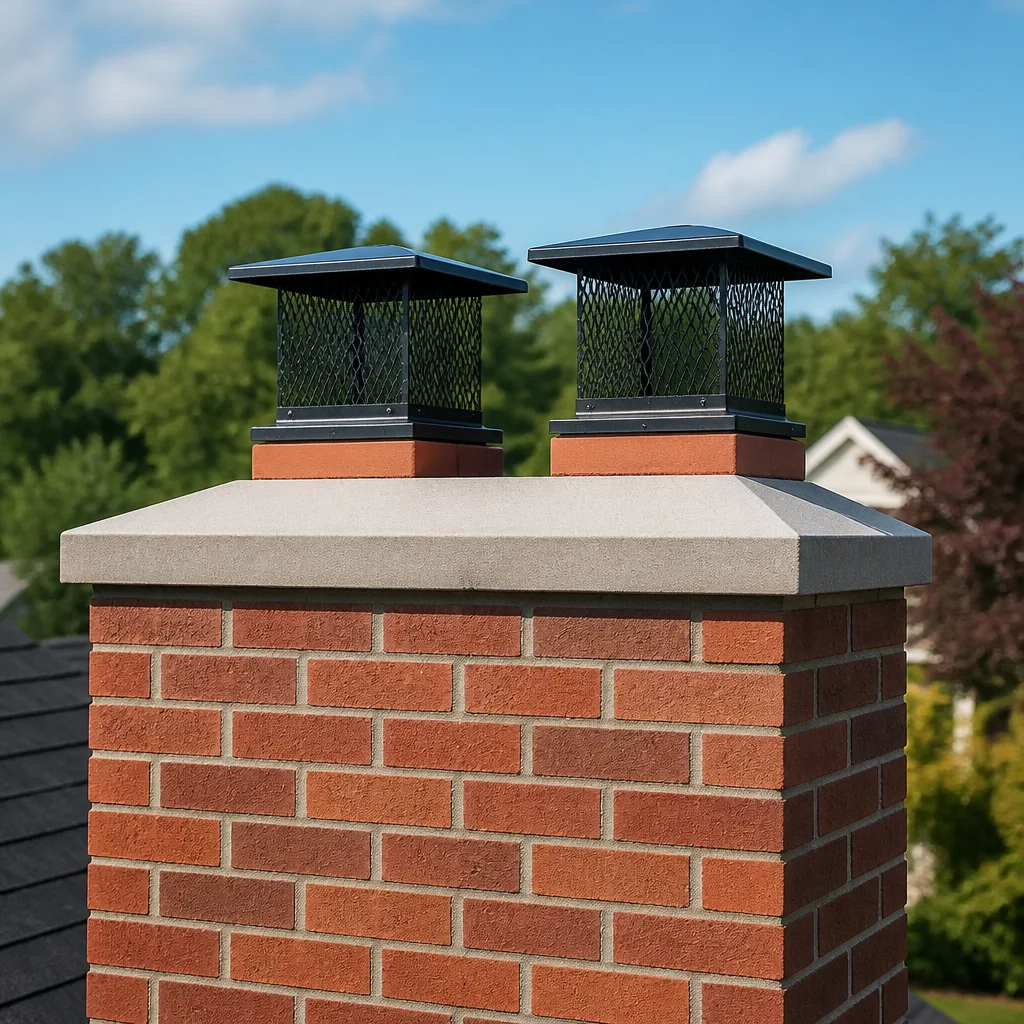
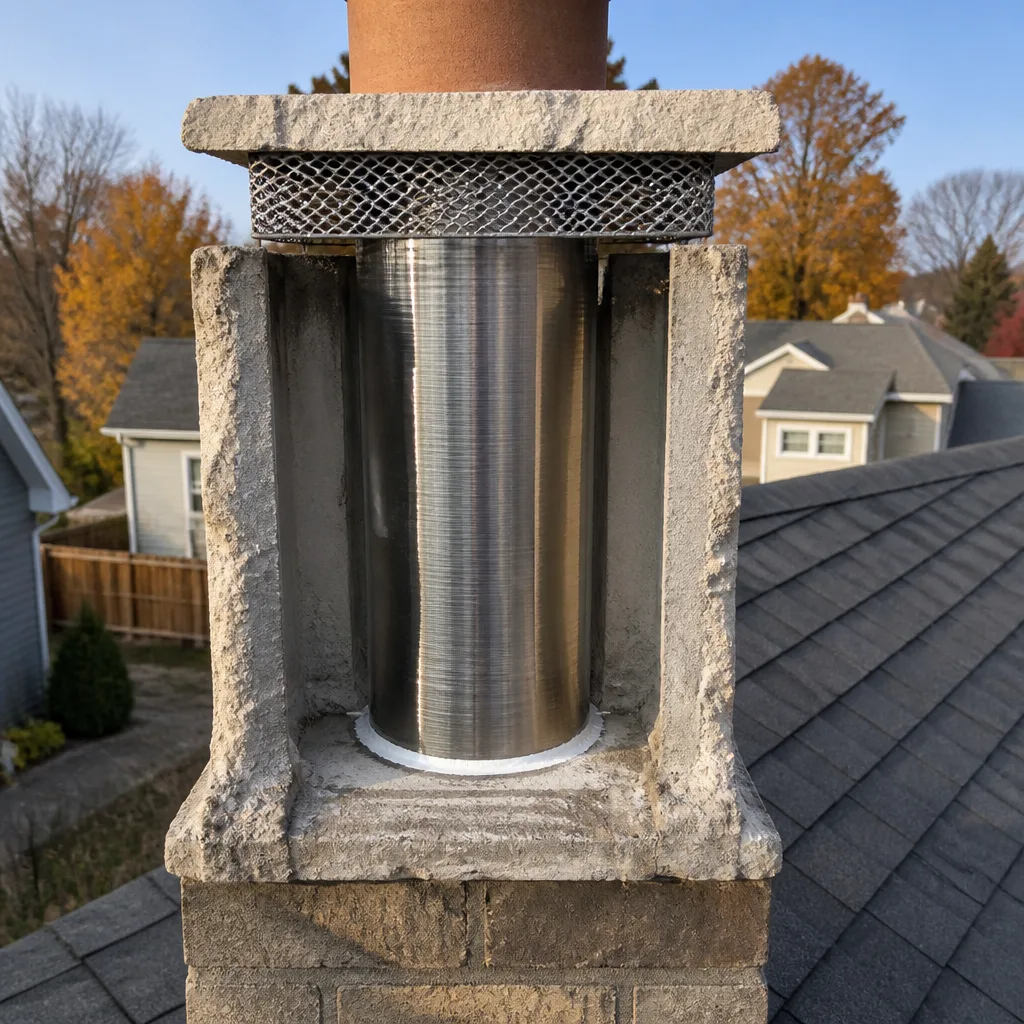
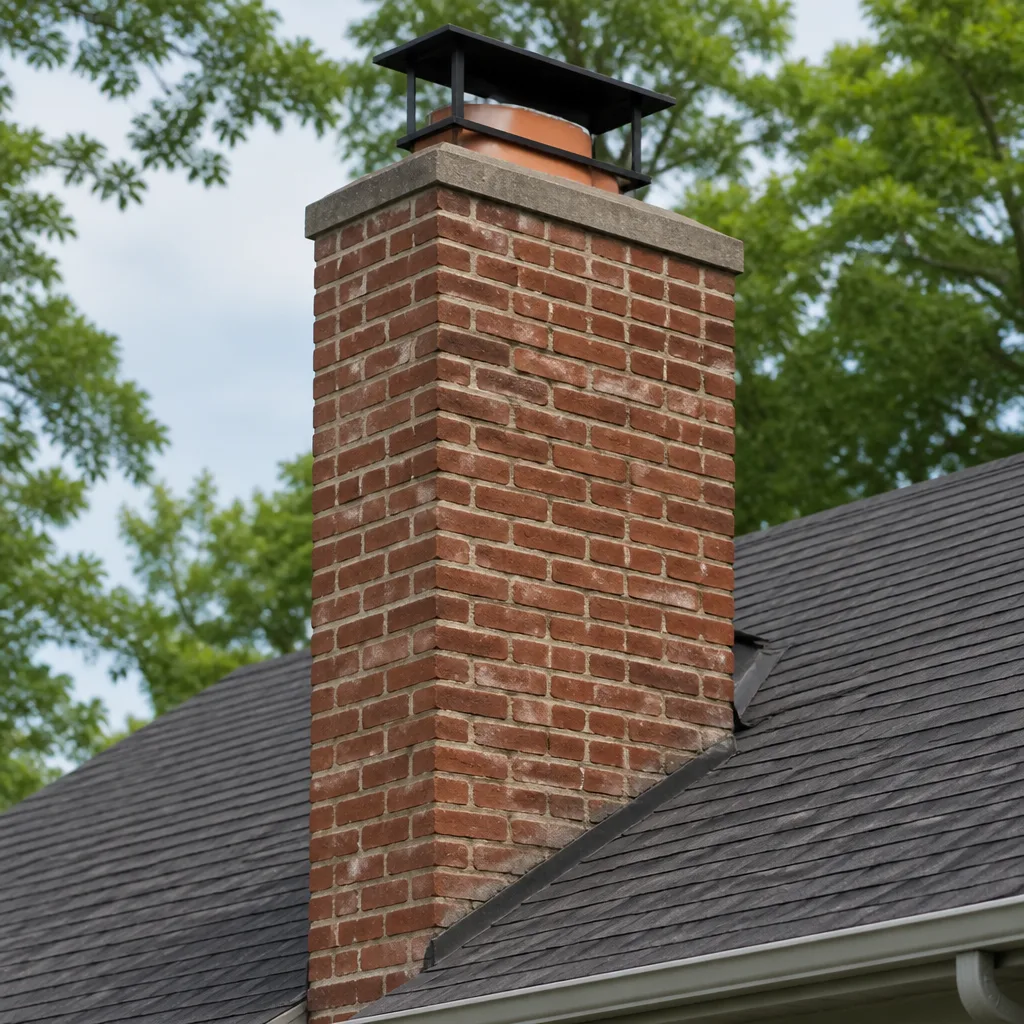
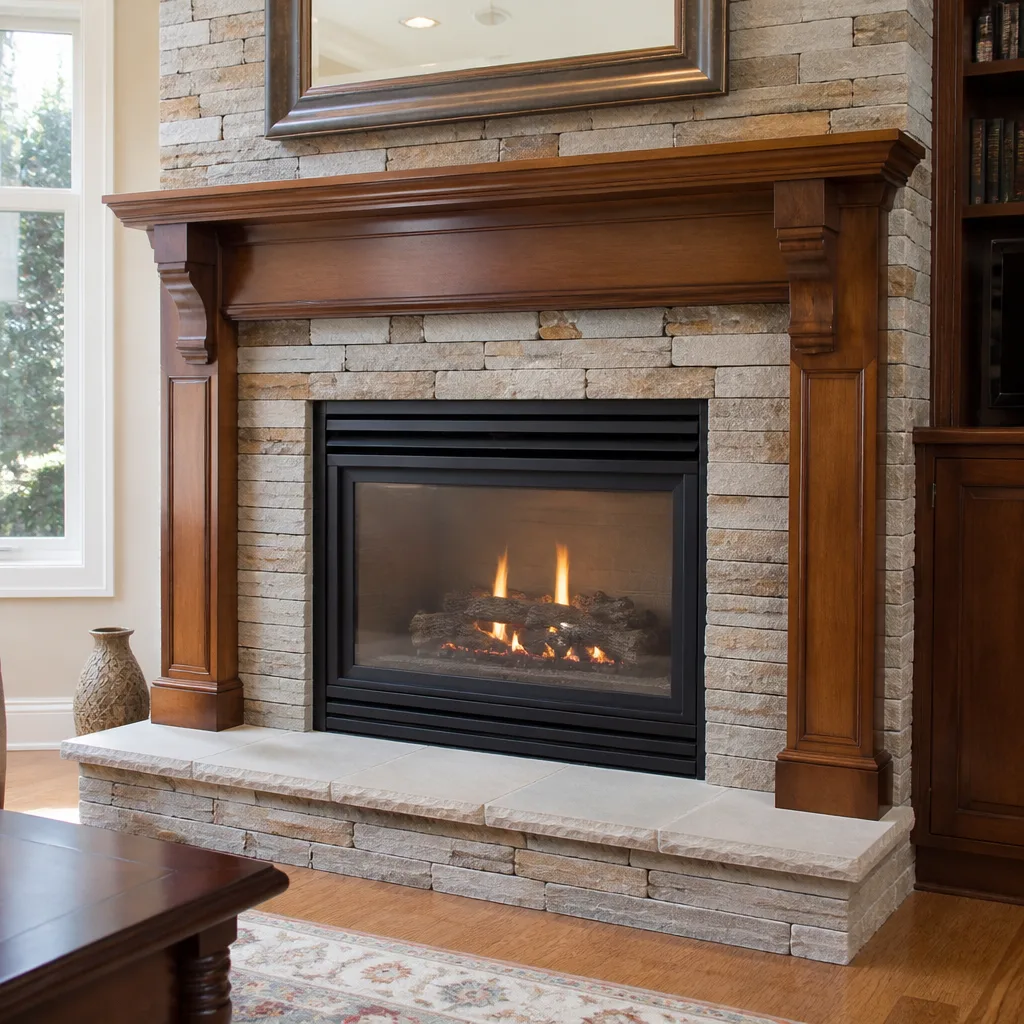
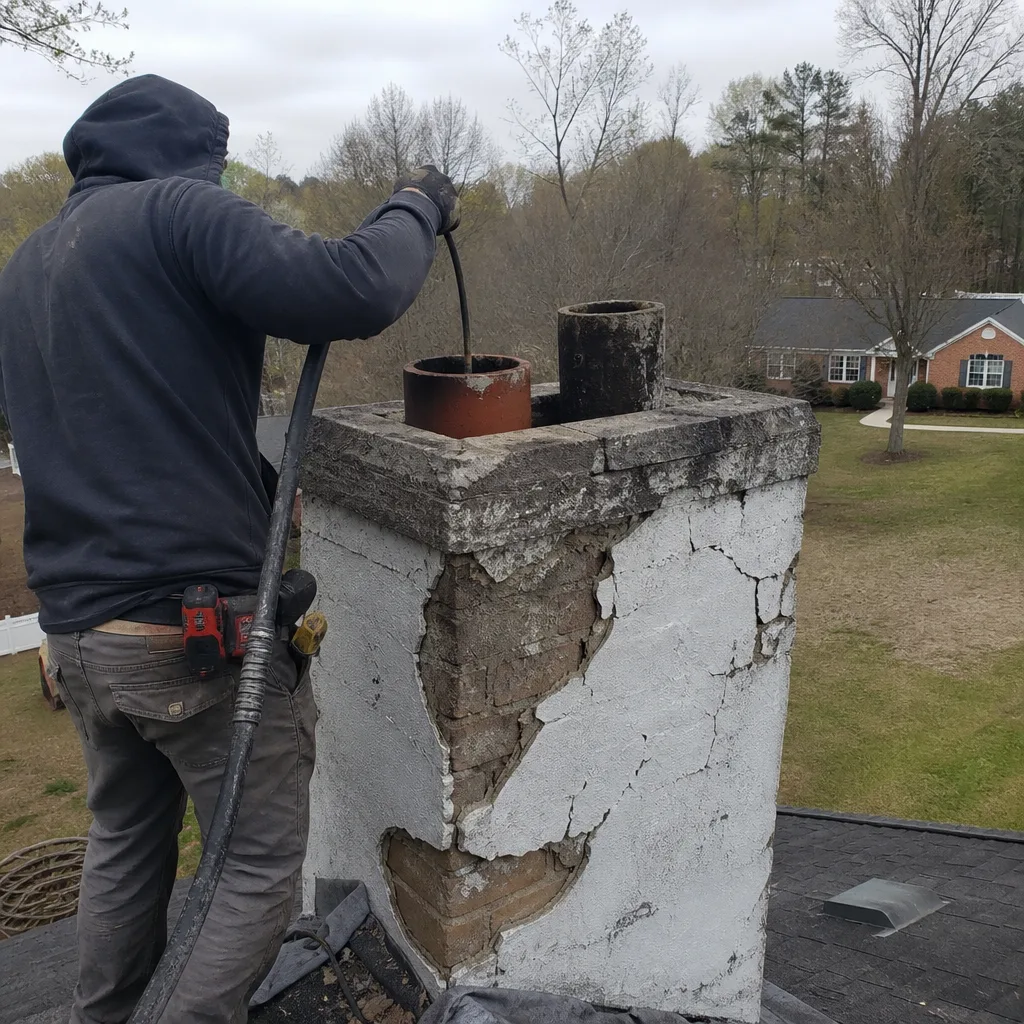 Before
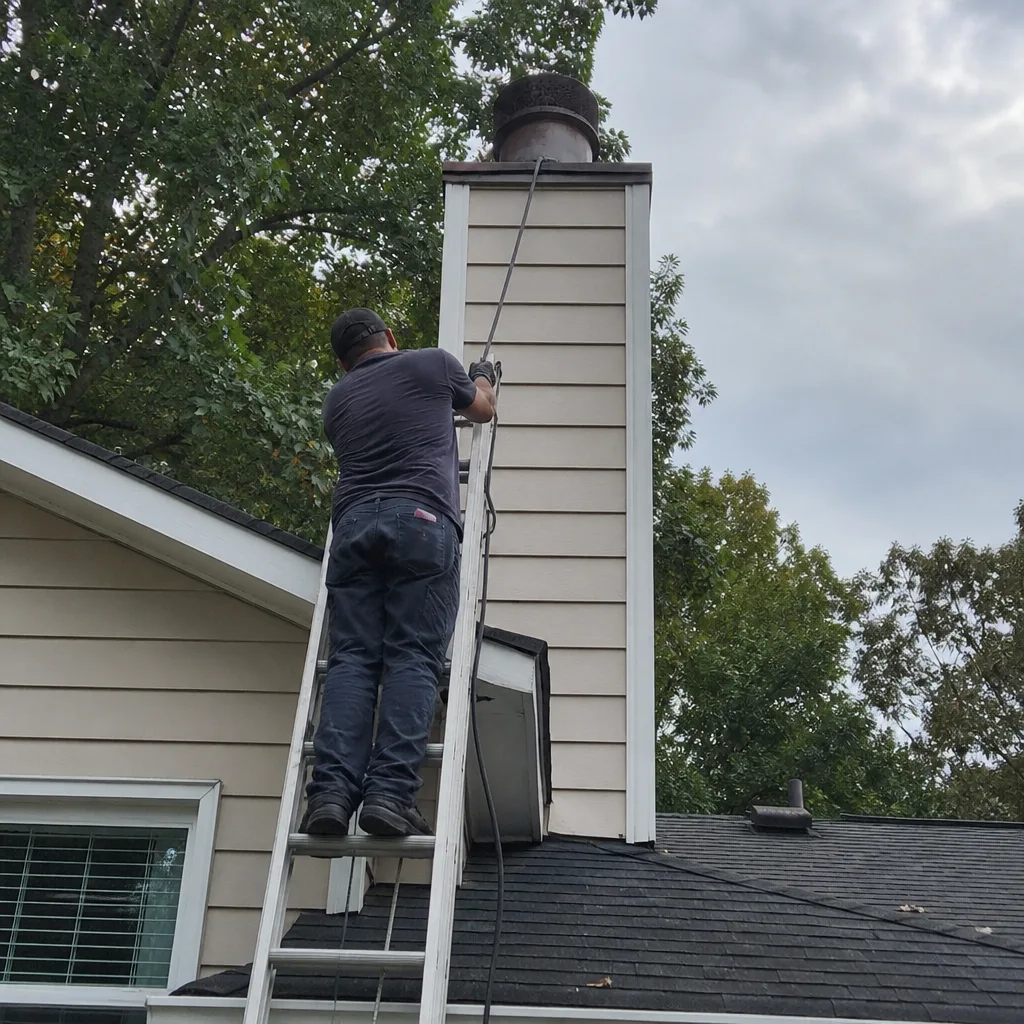 After
After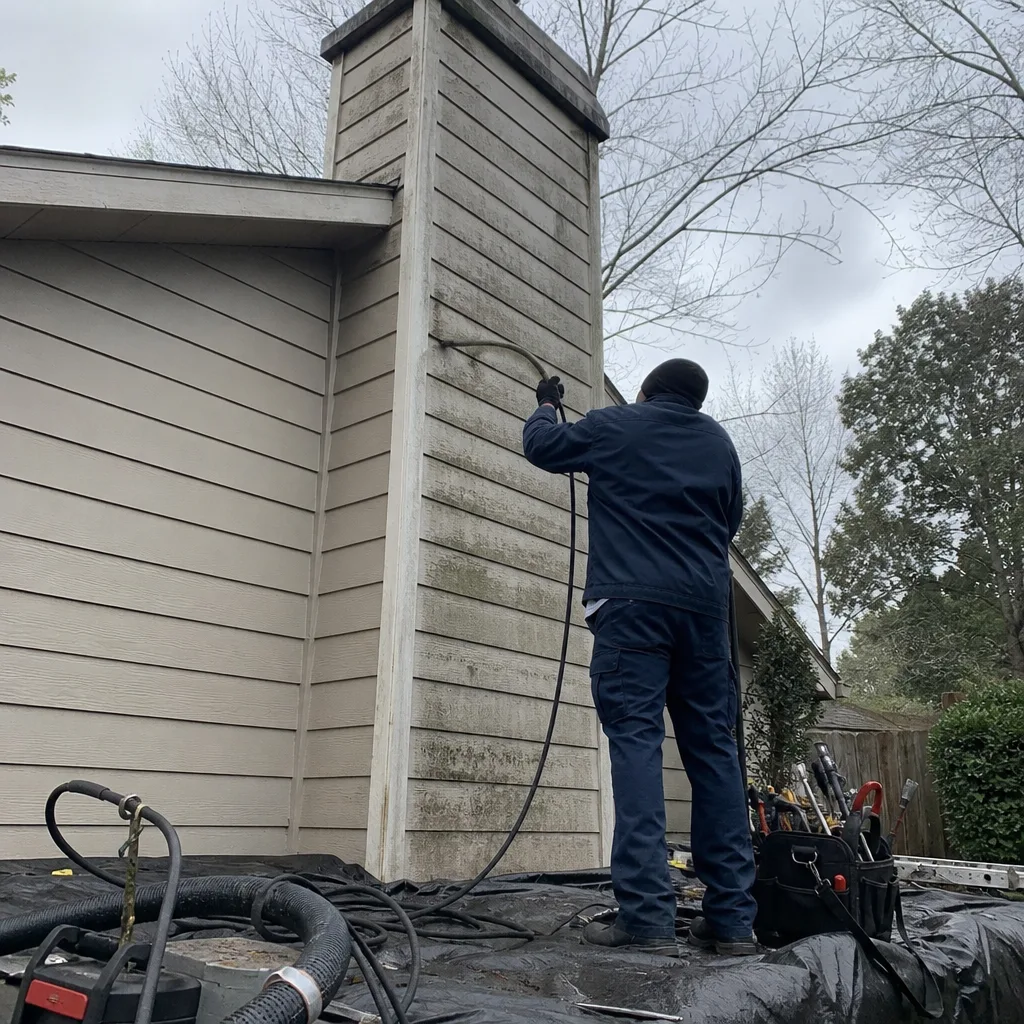 Before
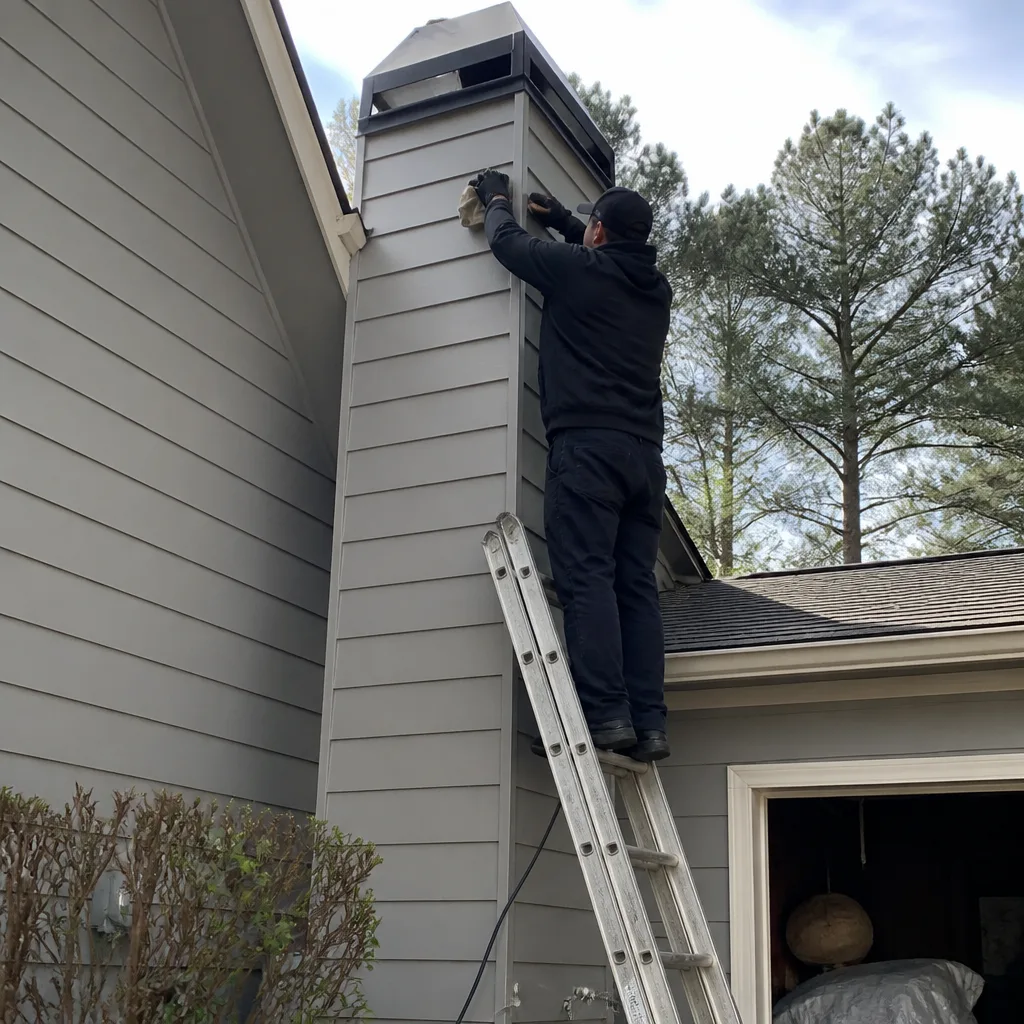 After
After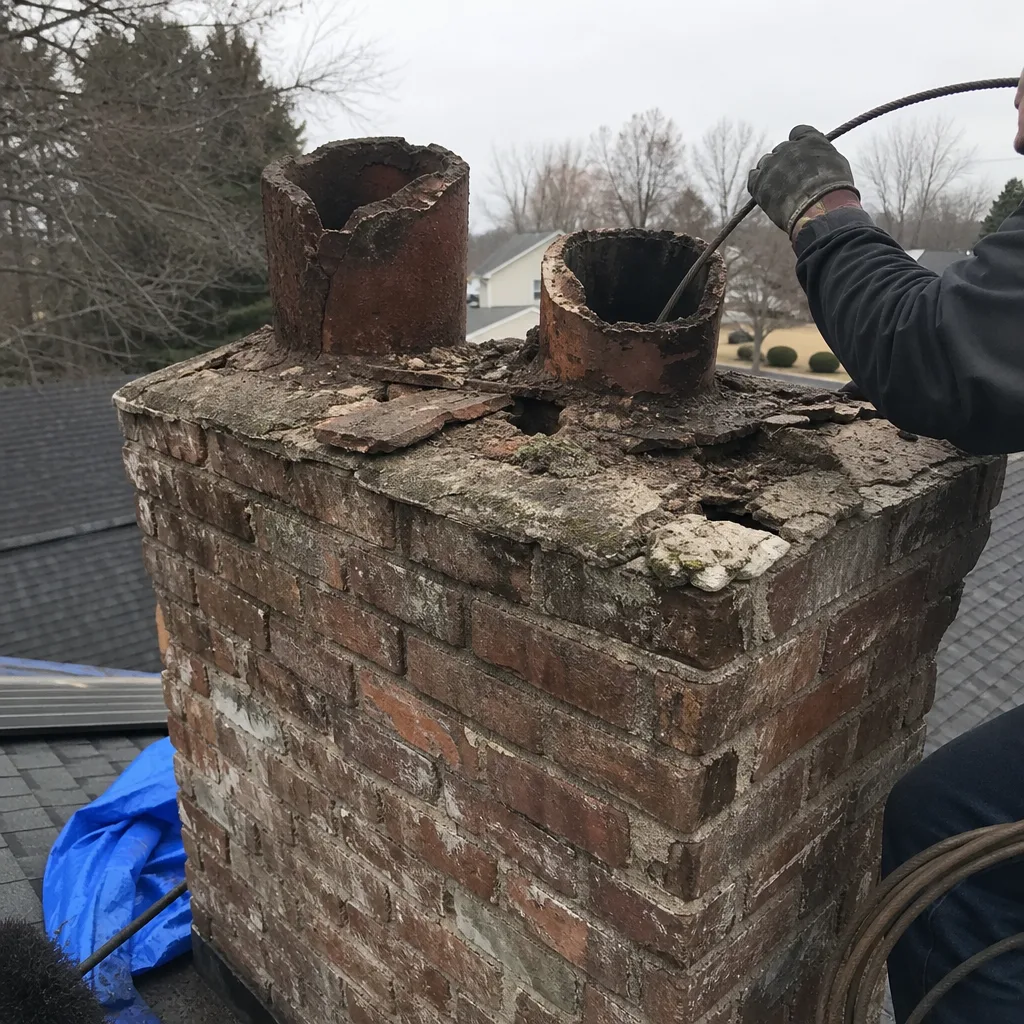 Before
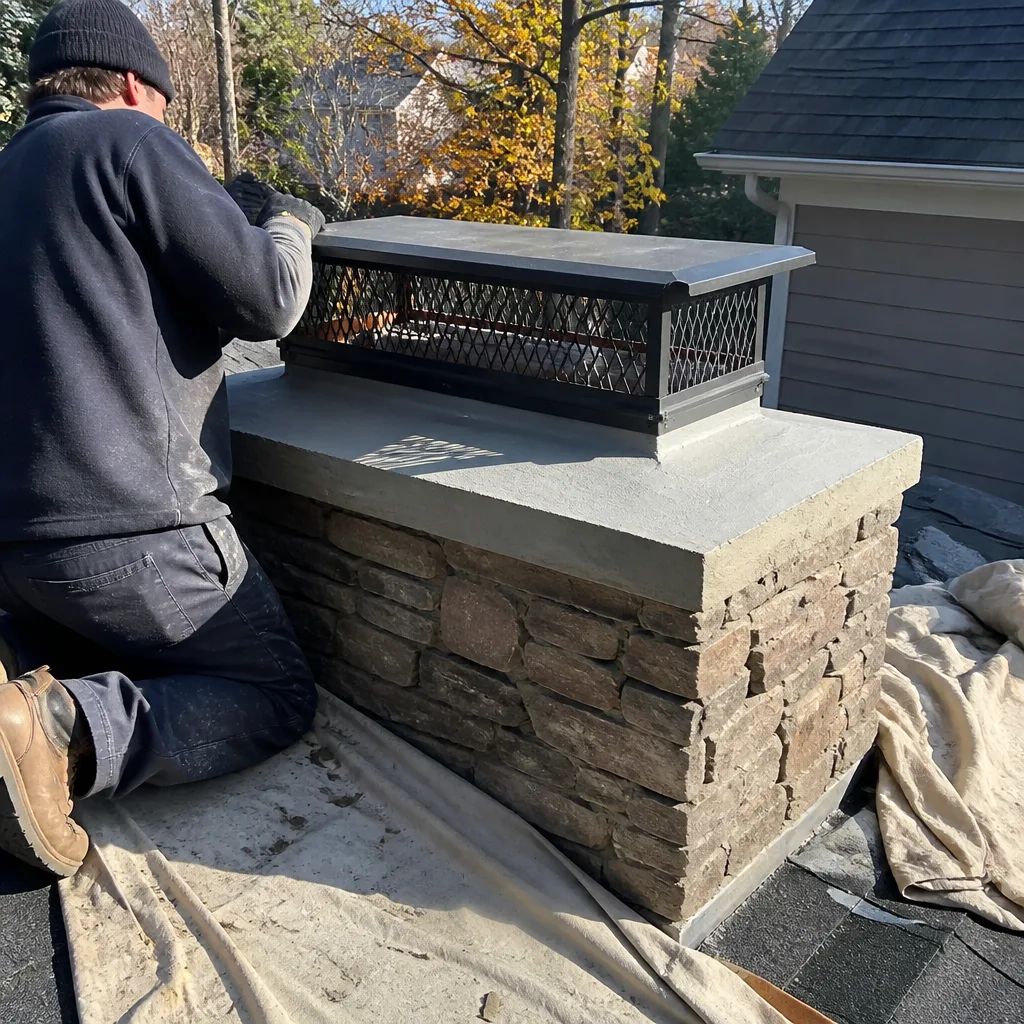 After
AfterChimney Cleaning Permits, Codes & Inspections in GA: What You Need to Know
A Kennesaw homeowner had a liner relining job fail a home inspection at resale - not because the work was bad, but because there was no permit on file and the county had no record it was done. The sweep’s invoice alone wasn’t enough. This happens more than you’d think in Cobb and Cherokee counties, where building departments are cross-referencing chimney work against permit databases during real estate transactions. In The Complete Guide to Chimney Cleaning in Kennesaw, we’ll draw the exact line between chimney maintenance (which needs no permit) and chimney alterations (which do), explain how Georgia’s adoption of NFPA 211 affects your home sale, and show you how to protect yourself whether you’re hiring a sweep in Kennesaw or buying a home here.
Quick Answer
Chimney cleaning and sweeping in Georgia does not require a building permit - it’s classified as routine maintenance. However, liner repairs, firebox rebuilds, crown replacements, and chimney cap installations typically do require permits under the International Residential Code as adopted by Cobb County, Cherokee County, and most Georgia jurisdictions. The work must also comply with NFPA 211 standards, and a documented Level 2 inspection is required for real estate transactions.
Table of Contents
- Cleaning vs. Repair: Where the Permit Line Is Drawn
- How Georgia Adopted NFPA 211 and What It Requires
- Kennesaw’s Local IRC Amendments and Pre-1990 Homes
- What ‘Passing a Level 2 Inspection’ Means for Your Home Sale
- How to Request Chimney Permit History in Cobb County
- When Missing Permits Void Insurance or Stall Closings
- Hiring a Sweep Who Handles Permits Correctly
- Common Mistakes to Avoid
- When to Call a Professional
- Frequently Asked Questions
- The Bottom Line
 Before
 After
AfterCleaning vs. Repair: Where the Permit Line Is Drawn
The International Residential Code (IRC), which Georgia and both Cobb and Cherokee counties have adopted with amendments, distinguishes between maintenance and alteration. This distinction determines whether your chimney work needs a permit, inspection, and documentation for the county record.
Maintenance (no permit required):
- Removing soot, ash, and creosote deposits from the flue and firebox
- Brushing the smoke chamber and damper assembly
- Visual assessment of accessible components with basic tools
- Applying CSIA-approved creosote modifiers to glazed deposits
Alteration (permit required in Cobb and Cherokee counties):
- Installing, replacing, or repairing a flue liner (stainless steel like DuraFlex, or cast-in-place systems like HeatShield)
- Rebuilding or repointing the firebox with refractory mortar
- Replacing or modifying the chimney crown
- Installing a new chimney cap or chase cover (when structural attachment changes)
- Adding or modifying a cricket or saddle behind the chimney on the roof plane
- Any work that changes the appliance connector, venting configuration, or clearances to combustibles
Here’s where Kennesaw homeowners get caught. A sweep cleans your chimney, runs a camera, and finds a cracked flue liner with spalling clay tiles. The sweep offers to install a stainless steel liner that week, no permit mentioned. The work looks fine. Five years later, you sell your home in the Legacy Park neighborhood. The buyer’s inspector asks for permit documentation. Cobb County Building Division has no record. The buyer’s lender flags it. Your closing stalls while you scramble for engineering letters and pay for a retroactive permit - if the county will even issue one.
We’ve seen this exact scenario three times in Kennesaw since 2022. In each case, the original sweep was long gone, the homeowner had no documentation beyond a handwritten invoice, and the county required opening the wall or roof to verify clearance compliance before issuing a retroactive permit. The cost ranged from $1,200 to $4,800 above the original repair price.
The rule is simple: if the work changes the structure, materials, or venting path of your chimney system, it needs a permit. Cleaning doesn’t change anything; it restores the system to its designed condition. Relining, rebuilding, or reconfiguring changes the system, and that triggers code enforcement.
How Georgia Adopted NFPA 211 and What It Requires
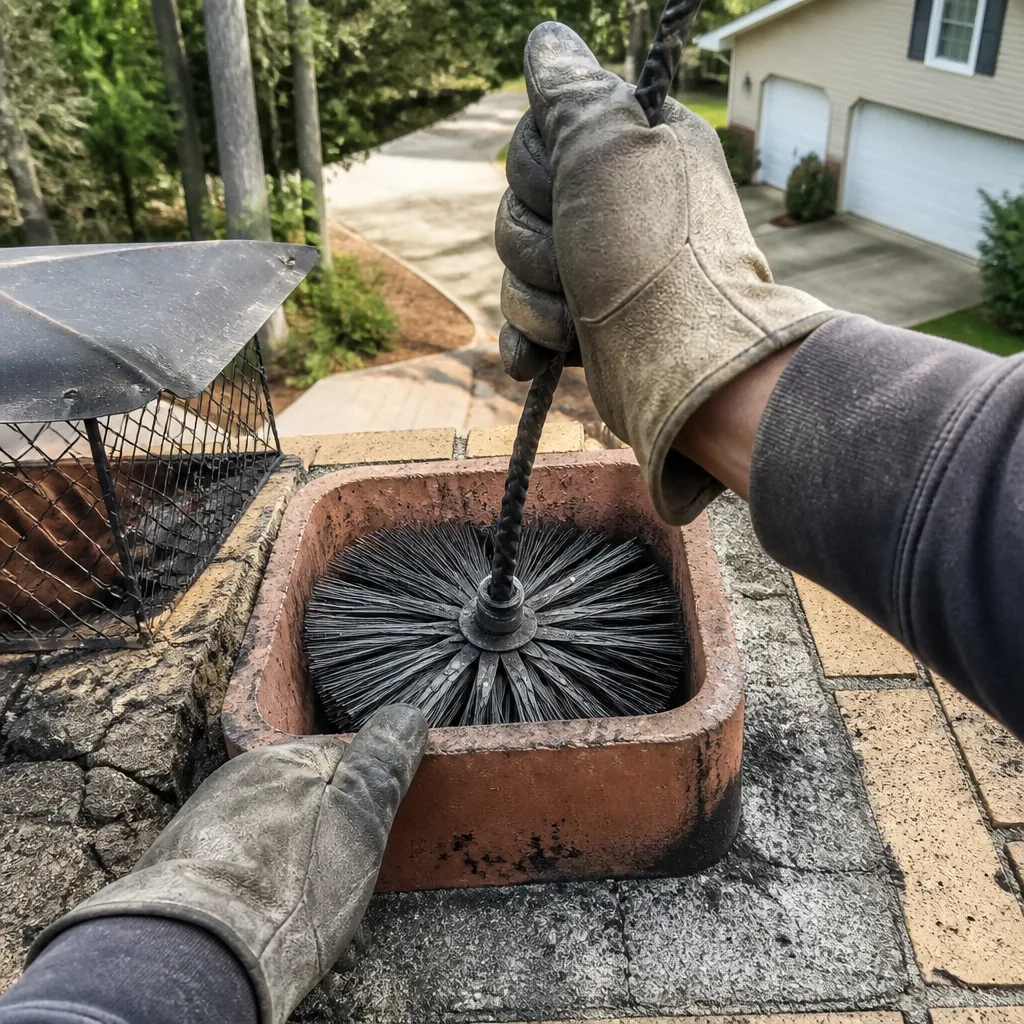
Georgia’s State Minimum Standard Codes, updated on a three-year cycle through the Georgia Department of Community Affairs, adopt the IRC with state amendments. The IRC references NFPA 211 (Standard for Chimneys, Fireplaces, Vents, and Solid Fuel-Burning Appliances) as the technical standard for chimney construction and maintenance. In practice, this means NFPA 211 isn’t just a trade guideline in Georgia - it’s enforceable code language.
Three sections of NFPA 211 trigger permit requirements most often in our Kennesaw service area:
- Section 11.2 - Inspection Frequency: Requires annual inspection and cleaning as necessary. This is the maintenance standard. No permit.
- Section 12.6 - Relining: Requires that replacement liners be listed and installed per manufacturer specifications, with clearances maintained per the IRC. This is alteration work. Permit required.
- Section 11.4 - Inspection Levels: Defines three levels of inspection. Level 2, which requires camera scanning of the flue interior, is required during real estate transactions, after chimney fires, and when altering the system. The documented photo record satisfies Clause 4 of the Haven Standard, which we’ve applied to every job since 2009.
NFPA 211 also specifies material standards. When we install stainless steel liners in Kennesaw homes, we source DuraFlex and Olympia Chimney products through our Haven buying network. These carry UL 1777 listing, which Cobb County inspectors verify against the permit application. Unlisted materials, or liners installed without permit inspection, fail at resale because there’s no third-party verification of compliance.
The Georgia amendments add one critical requirement: any chimney serving a solid-fuel appliance (wood stove, fireplace insert) must maintain 2-inch clearance to combustibles unless the system is specifically listed for reduced clearance. This trips up many installations in older Kennesaw neighborhoods like Hickory Flat and north Cobb subdivisions built in the 1970s and 1980s, where framing was tighter and standards were different.
We’ve documented cases where a properly installed liner failed permit inspection not because the liner was wrong, but because the original chimney chase was framed too close to the flue. The repair required reframing the chase - a $3,000-$7,000 addition that should have been caught in the original scope. A camera-scan Level 2 inspection before quoting finds this. A flashlight look from the top does not.
Kennesaw’s Local IRC Amendments and Pre-1990 Homes
Kennesaw operates under Cobb County’s building code enforcement, but the city maintains its own fire marshal and property maintenance inspections. For chimney work, this creates a dual-track system: Cobb County Building Division handles permits and structural inspections, while Kennesaw Fire Prevention handles occupancy-related fire code compliance.
Homes built before 1990 in Kennesaw present specific challenges under current code:
- Unlined chimneys: Common in homes built before 1980, these fail modern NFPA 211 standards outright. Cleaning alone doesn’t bring them into compliance. Relining requires a permit, and the work must meet current clearances, which may require structural modification.
- Transite flues: Asbestos-cement flue pipes used from the 1940s through 1970s are now considered hazardous material. Removal requires abatement permitting through Cobb County Environmental Health, separate from building permits.
- Zero-clearance fireplaces: Factory-built units from the 1970s and 1980s often have missing or damaged listing labels. Without the label, the unit cannot be verified for safe operation, and replacement requires full removal and permitting for a new listed appliance.
- Crown construction: Pre-1990 crowns were often poured as thin mortar washes without expansion joints or overhang. Replacement with a proper 4-inch minimum concrete crown with drip edge is alteration work requiring permit.
Kennesaw’s climate accelerates some of these failures. Our freeze-thaw cycles - typically 40-60 per winter - cause water trapped in porous brick to expand and spall the face. Homes in shaded, north-facing lots in neighborhoods like Adams Park or along Kennesaw Mountain see this worse. A crown that lasted 25 years in drier climates may fail in 15 here. When we replace crowns in these conditions, we use Gelco and Famco materials specified for wet-freeze environments, and we permit every one.
The IRC amendment specific to Cobb County requires that chimney work on pre-1990 homes include a written evaluation of the chimney’s structural stability if any of the following are found: lateral displacement exceeding 1/2 inch, mortar joint erosion exceeding 1/4 inch depth, or visible daylight through the wall from the flue interior. This evaluation must be performed by a Georgia-licensed contractor and submitted with the permit application. We’ve integrated this into our standard scope for older homes - it’s why our written prices include structural assessment when we know the build era.
What ‘Passing a Level 2 Inspection’ Means for Your Home Sale
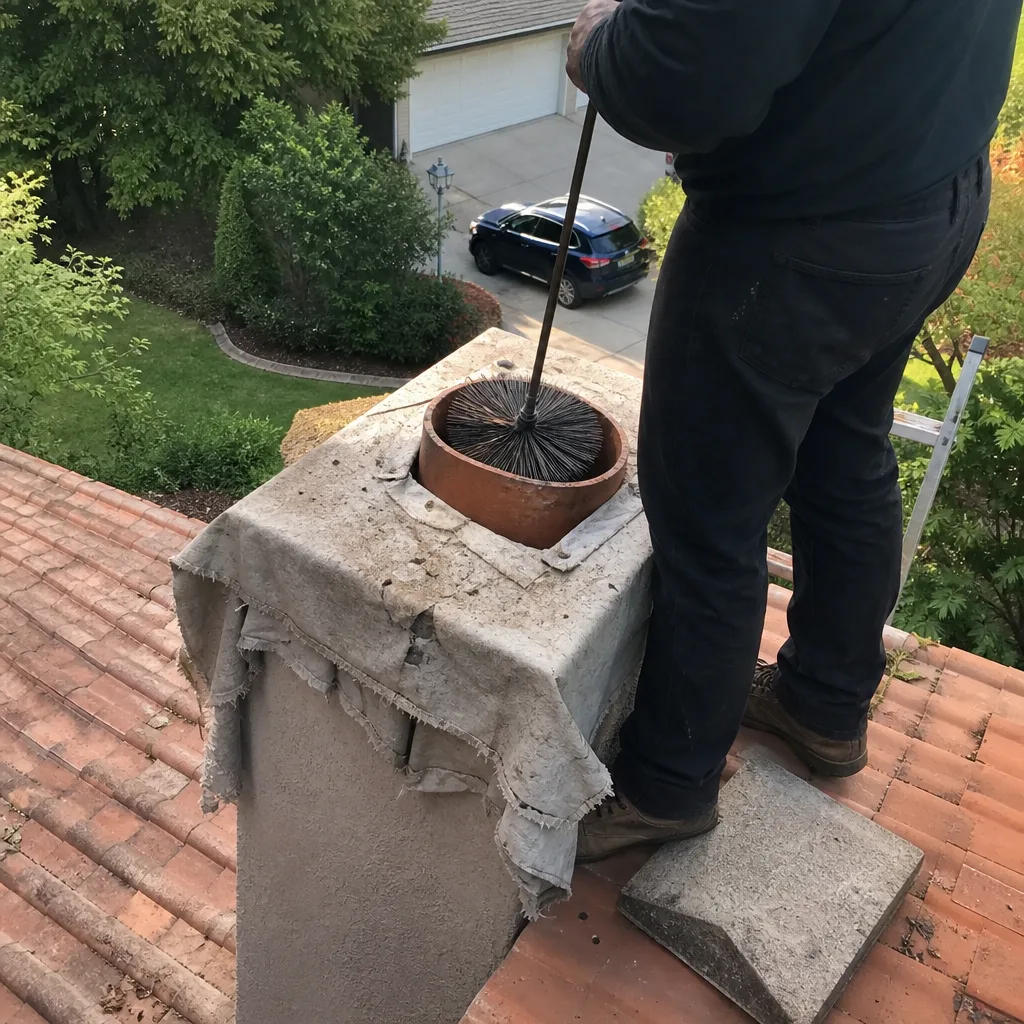
In Kennesaw’s active real estate market, “passing a Level 2 inspection” has become a standard seller disclosure item. But the phrase means different things to different people, and the gap between assumptions and reality costs deals.
A true NFPA 211 Level 2 inspection includes:
- Visual examination of all accessible interior and exterior chimney components
- Camera scan of the entire flue liner from firebox to crown, with video or photo documentation
- Inspection of attic and crawl space clearances where accessible
- Assessment of appliance connection and venting configuration
- Written report with findings, recommendations, and documented photo record
What it does NOT include: repair work, cleaning (unless specified), or any guarantee that the chimney will pass a building code inspection. Level 2 is a condition assessment, not a code compliance certificate.
For real estate transactions, the Level 2 report serves two purposes. First, it satisfies the NFPA 211 documentation requirement for due diligence. Second, when performed by a Georgia-licensed contractor, it provides the baseline condition report that future permit applications can reference. This matters when buyers ask for repairs as a closing condition. If the seller has a dated Level 2 report from Level Two Chimney Kennesaw, the repair scope can be quoted precisely, permitted correctly, and completed with documentation that transfers cleanly to the new owner.
Clause 4 of the Haven Standard requires that photo record on every job. Since 2009, we’ve archived every flue scan, crown photo, and clearance measurement. When a Kennesaw homeowner calls us five years later for a resale inspection, we can pull their history. This isn’t common in our industry. Most sweeps don’t archive, and many don’t even provide the images to the homeowner. We deliver them by email within 24 hours of every visit, and we keep backup indefinitely.
The written price before work starts - Haven Standard Clause 1 - also protects real estate transactions. No surprises, no scope creep, no “we found more damage” conversations after the buyer’s due diligence period has expired. The price we write is the price paid, documented for both parties’ records.
How to Request Chimney Permit History in Cobb County
If you’re buying a home in Kennesaw, checking permit history is as important as the home inspection itself. Here’s exactly how to do it:
- Contact Cobb County Building Division: Call (678) 535-2204 or visit the office at 1150 Powder Springs Street, Marietta, GA 30064. Online records are available through the Cobb County Citizen’s Access Portal, but chimney-specific permits may be coded under “Miscellaneous” or “Mechanical” rather than “Chimney,” so phone or in-person verification is more reliable.
- Request a permit history report by property address: Ask specifically for “all permits issued for chimney, fireplace, or solid-fuel appliance work” and “any open or expired permits.” The staff can search by parcel ID if you provide it from the tax records.
- Review for these permit types: Mechanical permits for liner installation; Building permits for structural chimney repair, crown replacement, or rebuild; Fire Prevention permits for solid-fuel appliance installation in some jurisdictions.
- Request inspection records: Permits without final inspection records are incomplete. Ask for the inspection result code - “Approved,” “Approved with Corrections,” or “Failed.”
- Verify contractor licensing: The permit record lists the contractor’s Georgia license number. Verify it through the Georgia Secretary of State’s Professional Licensing Division at sos.ga.gov.
For Cherokee County properties (including parts of Kennesaw’s northern service area near Towne Lake), the process is similar but the office is at 1130 Bluffs Parkway, Canton, GA 30114, phone (678) 535-2204. Cherokee County’s online system is more robust for historical searches.
If you find unpermitted work, your options depend on timing. During due diligence, you can require the seller to obtain retroactive permits or credit you the estimated cost. After closing, you assume the liability. We’ve performed retroactive permit assistance for Kennesaw buyers who discovered unpermitted liner work - the process typically takes 3-6 weeks and requires opening the system for inspector access, at additional cost.
When Missing Permits Void Insurance or Stall Closings
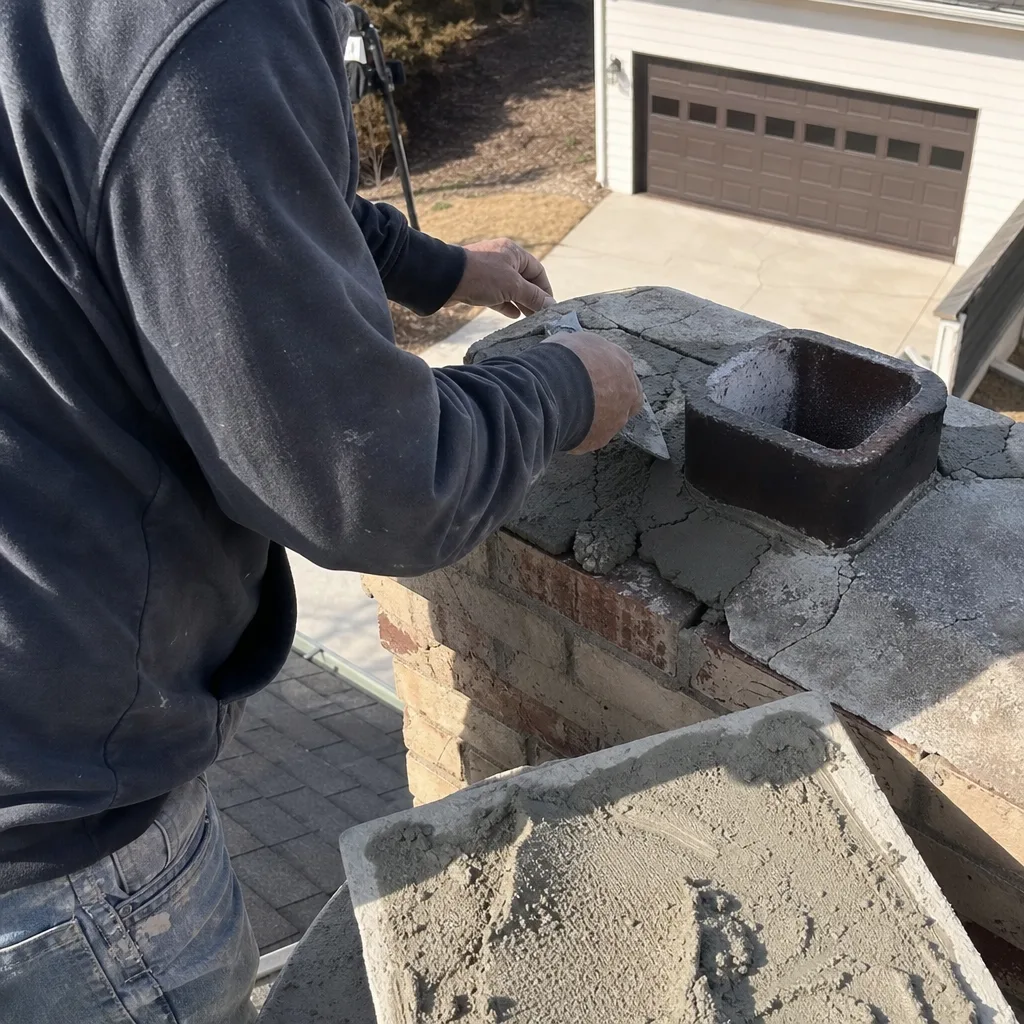
Homeowner’s insurance policies in Georgia contain standard exclusions for damage resulting from “faulty, inadequate, or illegal construction.” Unpermitted chimney work falls squarely in this category. We’ve seen three specific failure modes in Kennesaw:
- Chimney fire after unpermitted liner installation: Insurer denied the $47,000 claim, citing lack of permit and inspection as evidence of unlicensed work. The homeowner paid out of pocket and sued the sweep, who had dissolved his LLC.
- Title insurance exception: A Kennesaw sale in 2023 stalled when the title company flagged an open permit from 2019 for “fireplace modification” that never received final inspection. The seller had to pay for reopening and inspection ($850) plus a rush permit extension fee ($400).
- Code enforcement citation: After a neighbor’s complaint, Cobb County Code Enforcement inspected a home with an unpermitted wood stove installation. The homeowner faced a $500 citation plus mandatory removal until permitted reinstallation.
The financial risk isn’t theoretical. In each case, the original work was technically competent - the liner was properly sized, the clearances were adequate. But without the permit and inspection record, there was no third-party verification, and that gap became the insurer’s or title company’s basis for denial.
Our Free Second Opinion on any written estimate includes permit verification. Bring us a competitor’s quote, and we’ll tell you whether the scope requires permitting, whether the permit is included, and what documentation you should receive. We’ve caught omissions where a $3,200 liner quote had no permit line item, meaning the homeowner would bear that cost and risk separately.
Hiring a Sweep Who Handles Permits Correctly
Not every chimney sweep in Kennesaw is licensed to perform permitted work, and not every licensed contractor understands chimney-specific code. The overlap is smaller than you’d expect.
Here’s what to verify:
- Georgia Residential Contractor License: Required for any alteration work over $2,500. Verify at sos.ga.gov. The license should be in the company’s name, not an individual’s unless that person will personally perform all work.
- NFPA 211 training documentation: Ask for proof of current certification from CSIA, NFI, or equivalent. Not required by law, but it distinguishes trade competence from general contracting.
- Written scope that specifies permit responsibility: The quote should state clearly who obtains the permit, who pays fees, and who schedules inspections. Haven Standard Clause 1 requires this in writing before work starts.
- Insurance verification: General liability and workers compensation certificates should name you as additional insured for the project duration.
- Photo documentation commitment: Ask when and how you’ll receive flue scan images, inspection photos, and final documentation. Clause 4 of the Haven Standard requires delivery within 24 hours.
When we quote liner installation or crown replacement in Kennesaw, the written price includes permit fees, inspection scheduling, and documentation delivery. No separate line items, no surprises. The 365-Day Done Right Promise covers both the workmanship and the permitting - if an inspection fails due to our error, we correct it at no charge.
Our materials come through the Haven buying network from DuraFlex, HeatShield, Gelco, Olympia Chimney, Famco, and Copperfield. This isn’t about brand names; it’s about traceable, listed products that inspectors recognize and approve. When Cobb County’s inspector sees a DuraFlex liner with proper UL listing and our permit documentation, the approval is routine. When they see an unmarked liner with no permit, the inspection stops.
Common Mistakes to Avoid
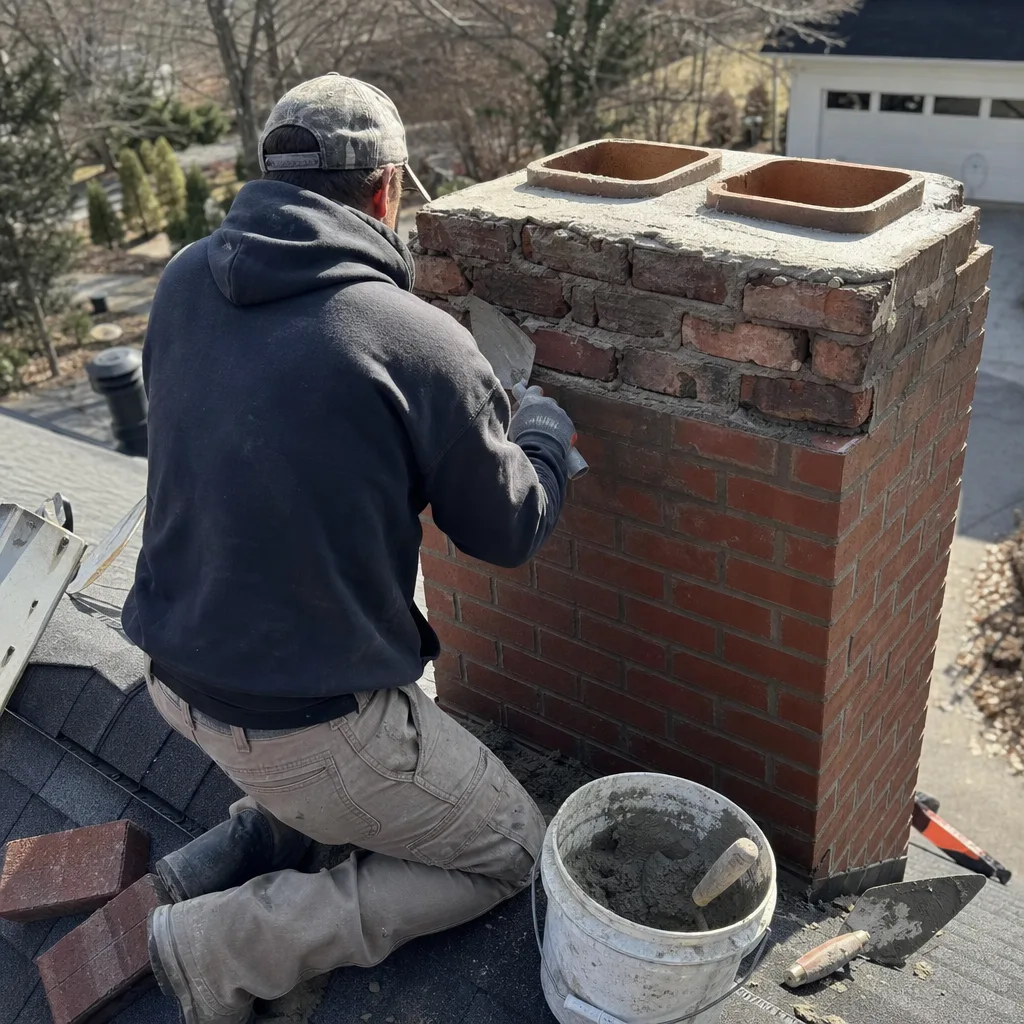
- Assuming cleaning includes inspection documentation for your home sale. A basic sweep produces a receipt, not a Level 2 report. Ask explicitly for camera-scan documentation if you’re selling within two years.
- Accepting “the permit is your responsibility” from a sweep. In Georgia, the licensed contractor performing alteration work must obtain the permit. A sweep who shifts this to you may be unlicensed for the work scope.
- Buying a Kennesaw home without checking chimney permit history. The $25 permit history request can reveal $5,000+ in unpermitted work that becomes your liability at closing or after.
- Confusing a home inspector’s visual check with a Level 2 chimney inspection. Home inspectors in Georgia are not required to scan flues or climb roofs. Their chimney assessment is limited and not a substitute for NFPA 211 compliance documentation.
- Letting a sweep start “while the permit is pending.” Work cannot legally begin until the permit is issued and posted. Starting early risks stop-work orders and double inspection fees.
- Discarding documentation after “minor” repairs. Keep all chimney records for the life of your home ownership. Digital copies are fine, but ensure they’re backed up. Our archives help, but your own records are your first defense.
- Assuming pre-1990 chimneys are “grandfathered.” Georgia’s code allows continued use of existing compliant installations, but any alteration triggers current standards. A cracked liner in a 1975 chimney requires full modern compliance when replaced, not just a patch.
When to Call a Professional
Call a licensed chimney professional when you’re buying a home with a fireplace, selling one, or when your sweep finds anything beyond routine creosote. Specifically: if your flue liner shows cracks, spalling, or gaps visible on camera; if your crown is cracked or separating from the brick; if you’re converting a wood fireplace to gas or installing a wood stove; or if any prior owner performed chimney work you can’t document with permits and inspections.
Level Two Chimney Kennesaw offers free estimates in Kennesaw and throughout Cobb and Cherokee counties. We’ll review your situation, verify whether permits are needed for your scope, and provide a written price before any work starts. Call (678) 535-2204. Live phone support runs 24 hours a day, 7 days a week - you’ll speak to a person, not a voicemail system.
Frequently Asked Questions
Chimney sweeping itself is not separately licensed in Georgia, but any alteration work - liner installation, firebox repair, crown replacement - requires a Georgia Residential Contractor license for projects over $2,500. Always verify your sweep’s license through the Secretary of State before agreeing to repair work.
A standard chimney cleaning and Level 2 camera inspection in Kennesaw typically runs $199-$349, depending on flue accessibility, creosote buildup severity, and whether the fireplace is a standard open hearth or a wood stove insert requiring disconnection. Call (678) 535-2204 for an exact quote - estimates are free, and the written price we deliver is the price you pay.
If your clay flue liner has cracks, missing tiles, or gaps at the joints, cleaning alone doesn’t restore safety. Combustible gases and sparks can reach the framing. We document liner condition with camera footage you can see yourself, and we’ll tell you plainly when work can safely wait versus when it can’t. No recommendation without photo evidence.
NFPA 211 requires annual inspection and cleaning as needed. In Kennesaw’s climate, with our mix of humid summers and freeze-thaw winters, we recommend annual inspection for all wood-burning systems and cleaning when creosote reaches 1/8 inch thickness. Homes in heavily wooded areas like those near Kennesaw Mountain National Battlefield Park may need more frequent cleaning due to cooler, damper burning conditions.
Class I creosote becomes Class III glazed creosote, which is nearly impossible to remove without chemical treatment and increases chimney fire risk significantly. Moisture intrusion from a cracked crown causes spalling brick and deteriorated mortar, leading to structural repairs that cost 5-10 times more than preventive maintenance. Carbon monoxide can leak through liner defects, particularly in older Kennesaw homes with original construction. The risks are real and specific, not hypothetical.
Georgia law requires that alteration permits be obtained by the licensed contractor performing the work. A homeowner can act as their own contractor on their primary residence with additional requirements, but this doesn’t transfer liability to an unlicensed sweep you’ve hired. If your sweep asks you to pull the permit, that’s a red flag about their licensing status.
A Georgia home inspector performs a visual assessment from the ground or hearth level, without camera equipment, and is not required to evaluate flue condition or clearance compliance. A Level 2 inspection requires camera scanning of the entire flue, accessible clearance verification, and written documentation per NFPA 211. For real estate transactions, the Level 2 is the standard that satisfies due diligence and insurance requirements.
The Bottom Line
Chimney cleaning in Georgia needs no permit. Chimney repair almost always does, and the gap between those two categories is where Kennesaw homeowners lose money, time, and peace of mind. Know the difference. Verify your contractor’s license. Demand written documentation. Check permit history before you buy. For more guides & resources, visit our blog. And never let work start without a written price that includes permit responsibility. The cost of getting this right is modest. The cost of getting it wrong - failed closings, denied insurance claims, and emergency retroactive permitting - is not.
Written by Corrine Halstead, Owner at Level Two Chimney Kennesaw, serving Kennesaw since 2009.