
Last updated September 22, 2026
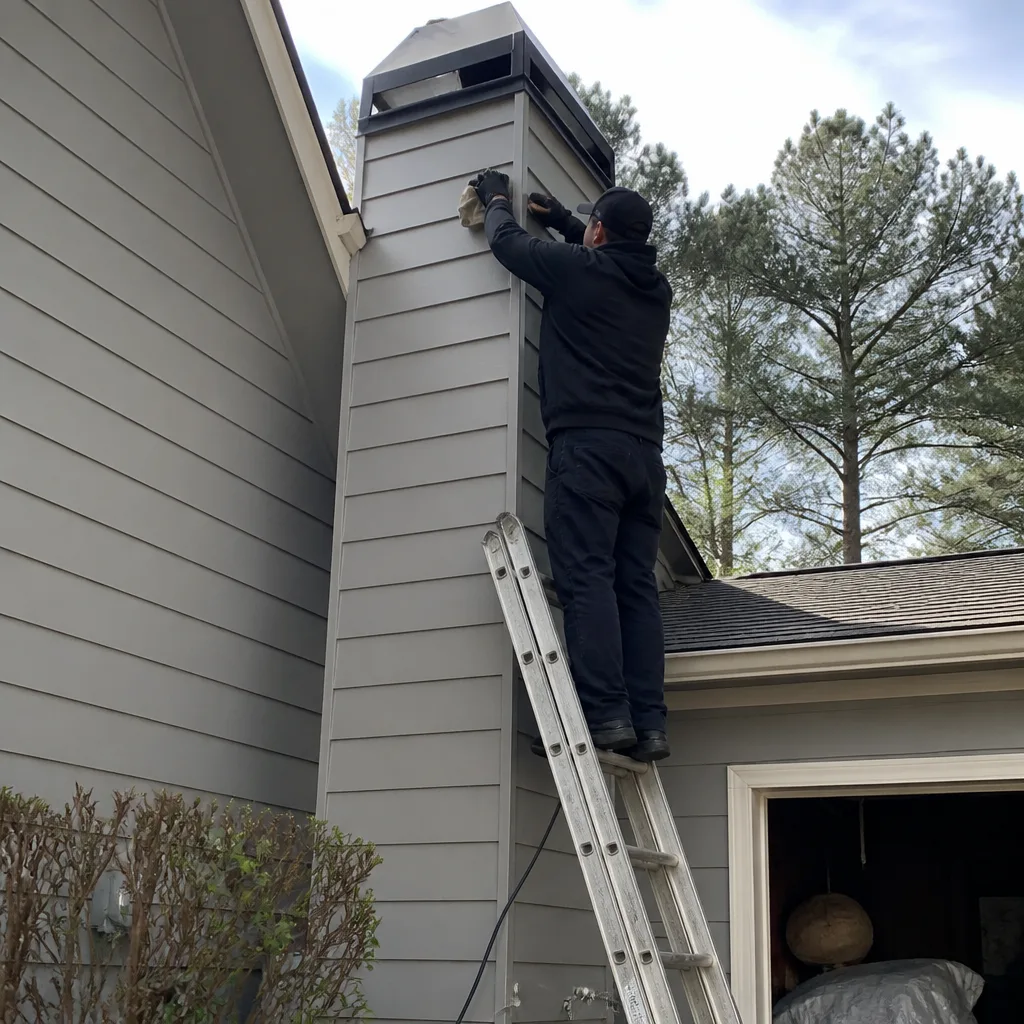
Level 1 sweep and inspection to the NFPA 211 annual standard - flue, crown, cap, and flashing checked and photographed
Chimney sweep logs do not sweep chimneys. They loosen some creosote - which then falls where a brush and vacuum still have to collect it.
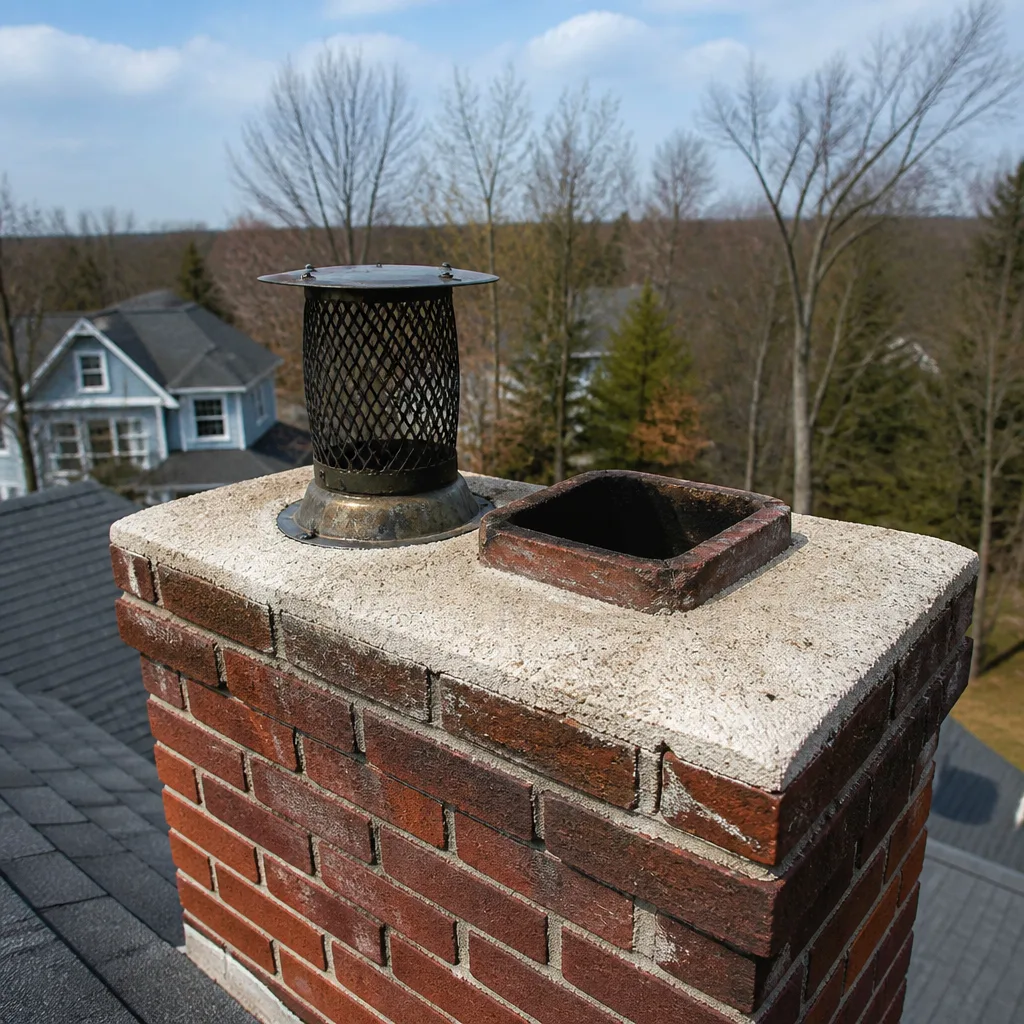
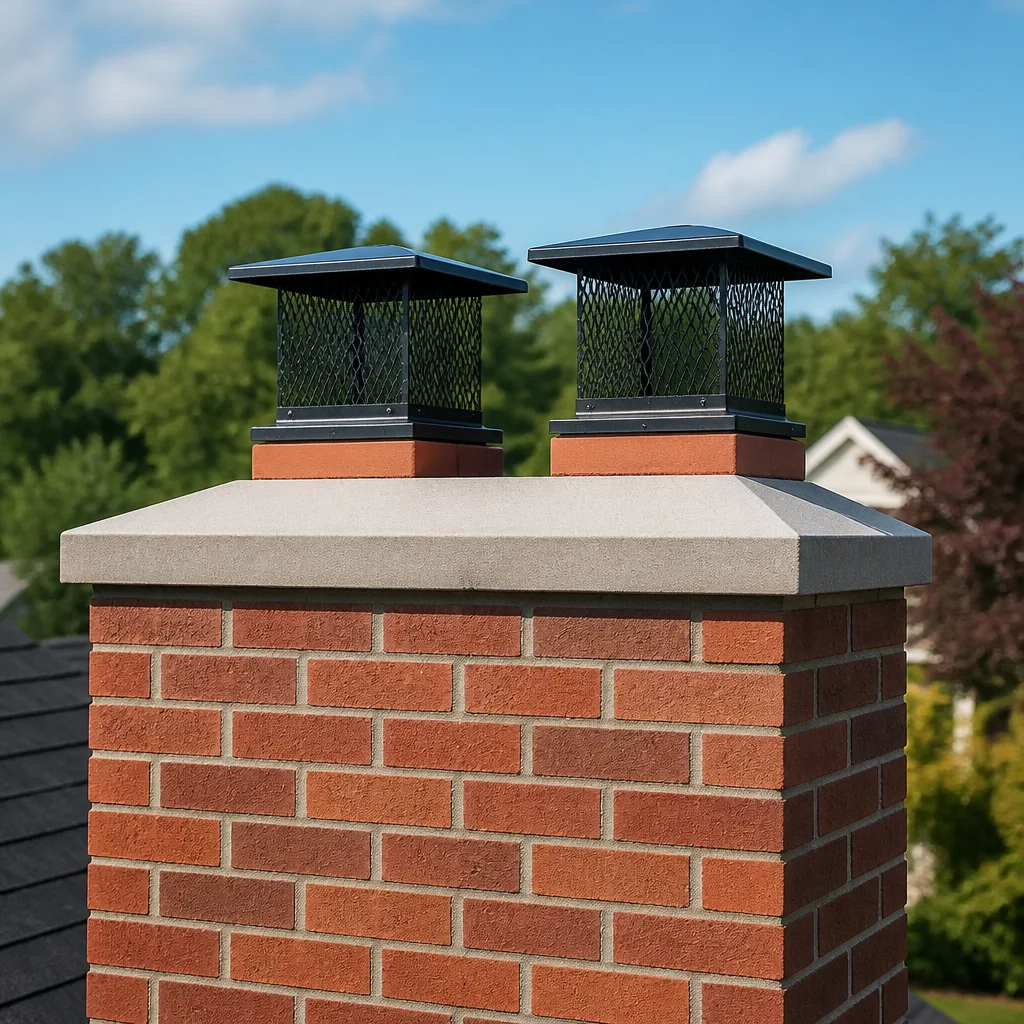
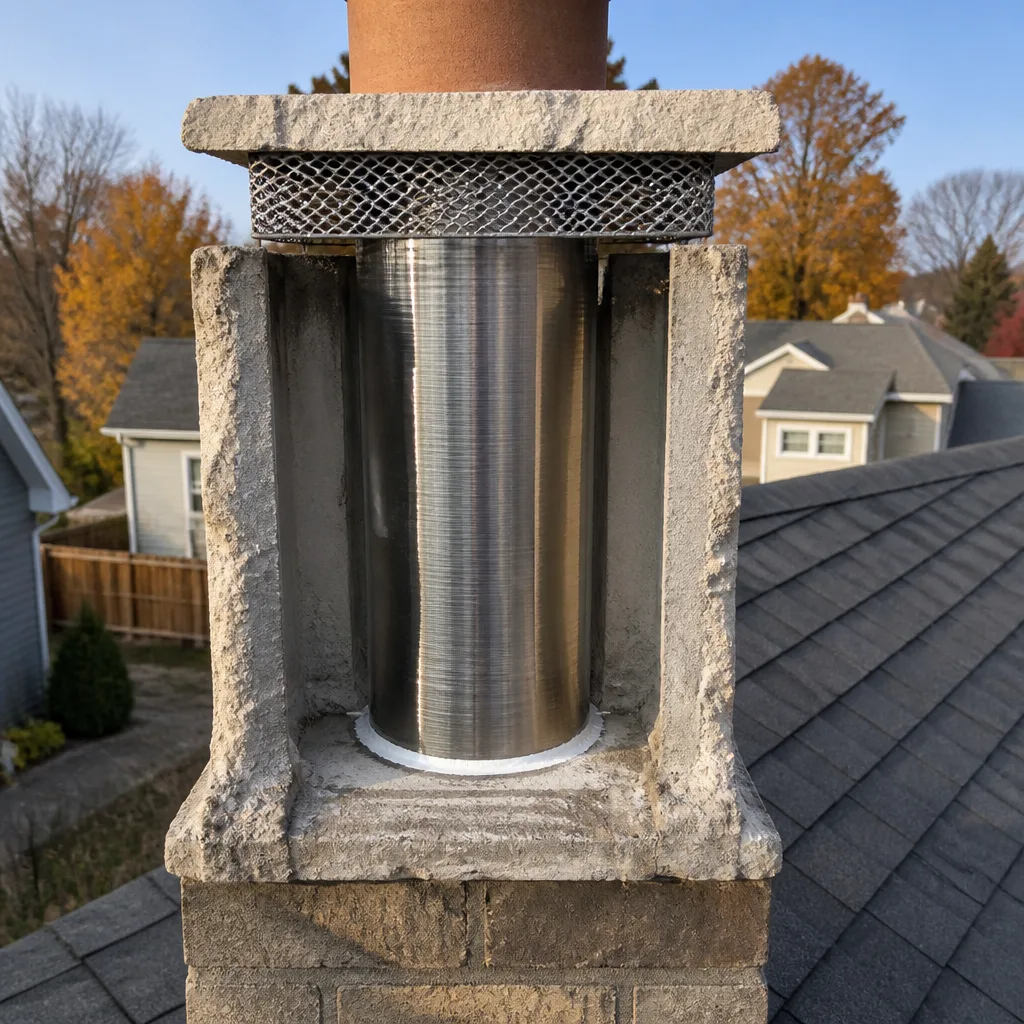
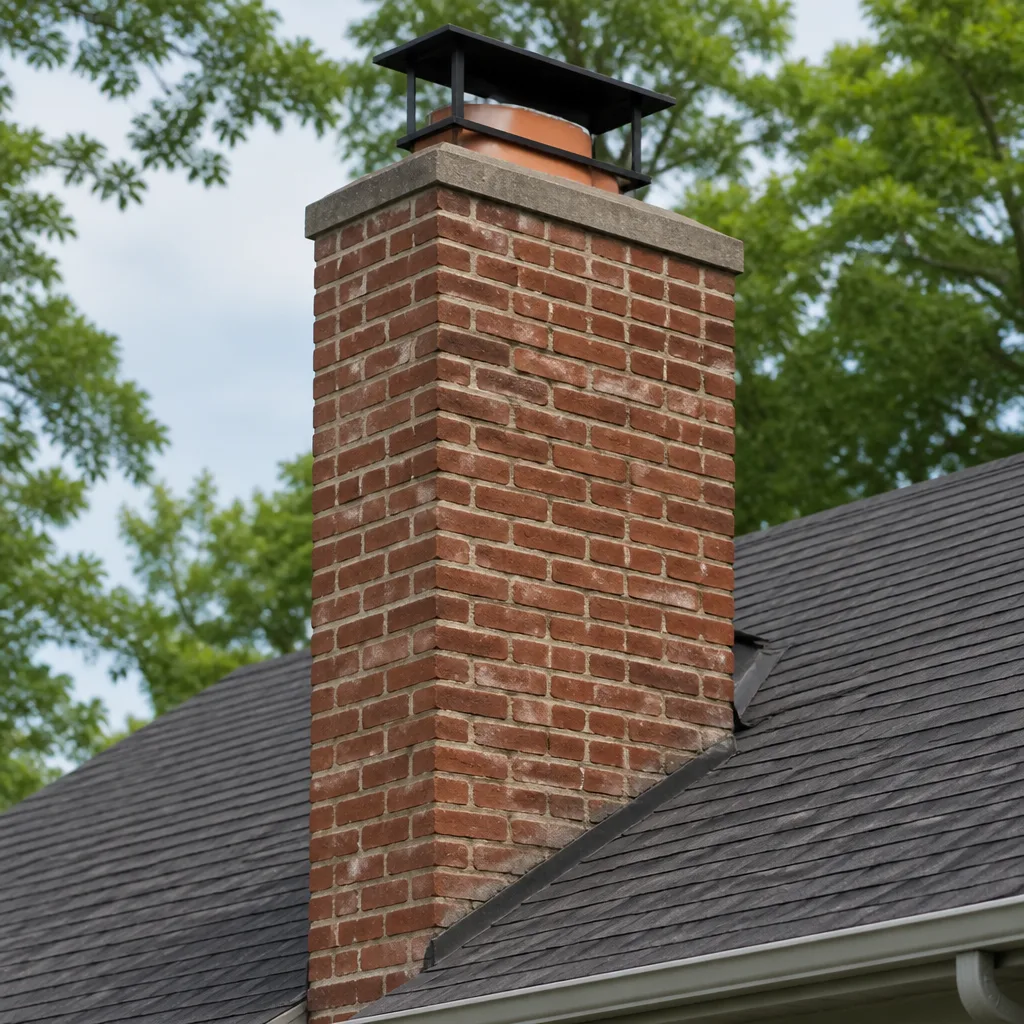
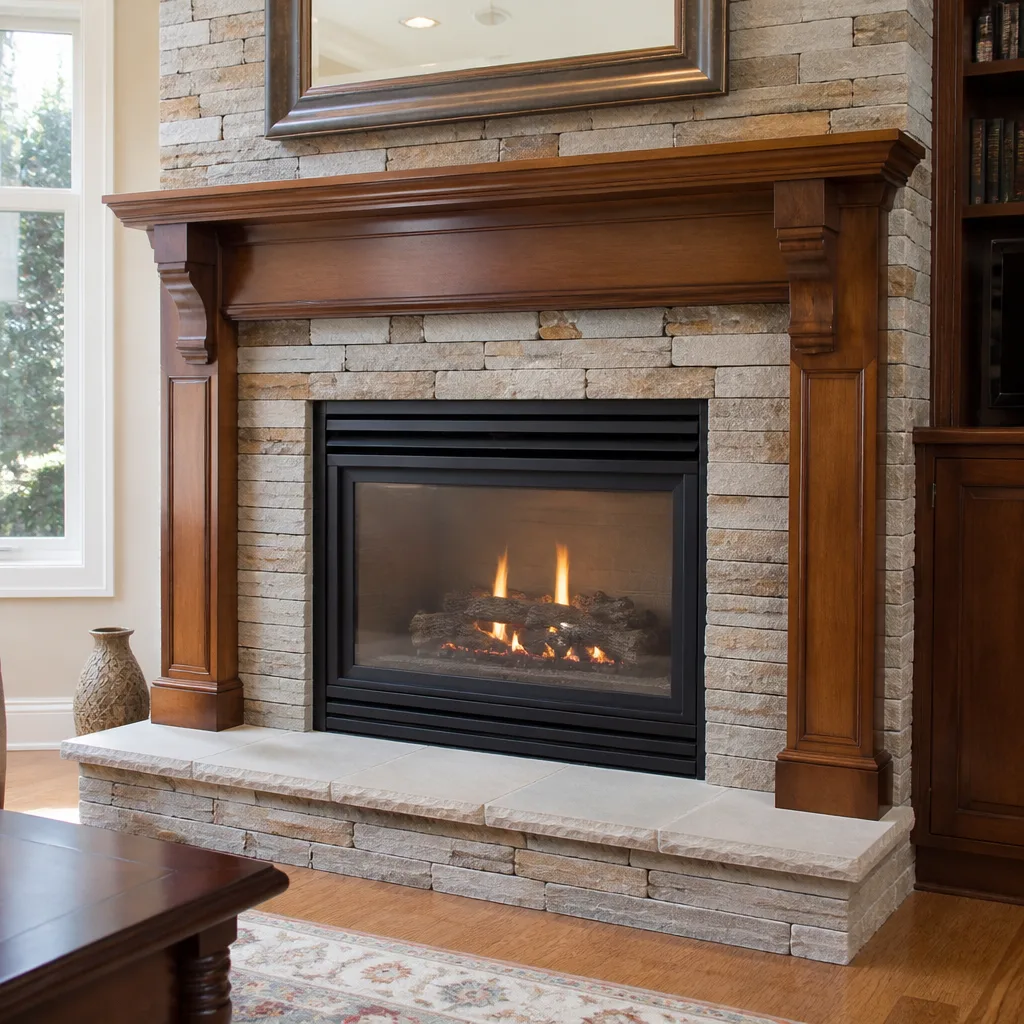
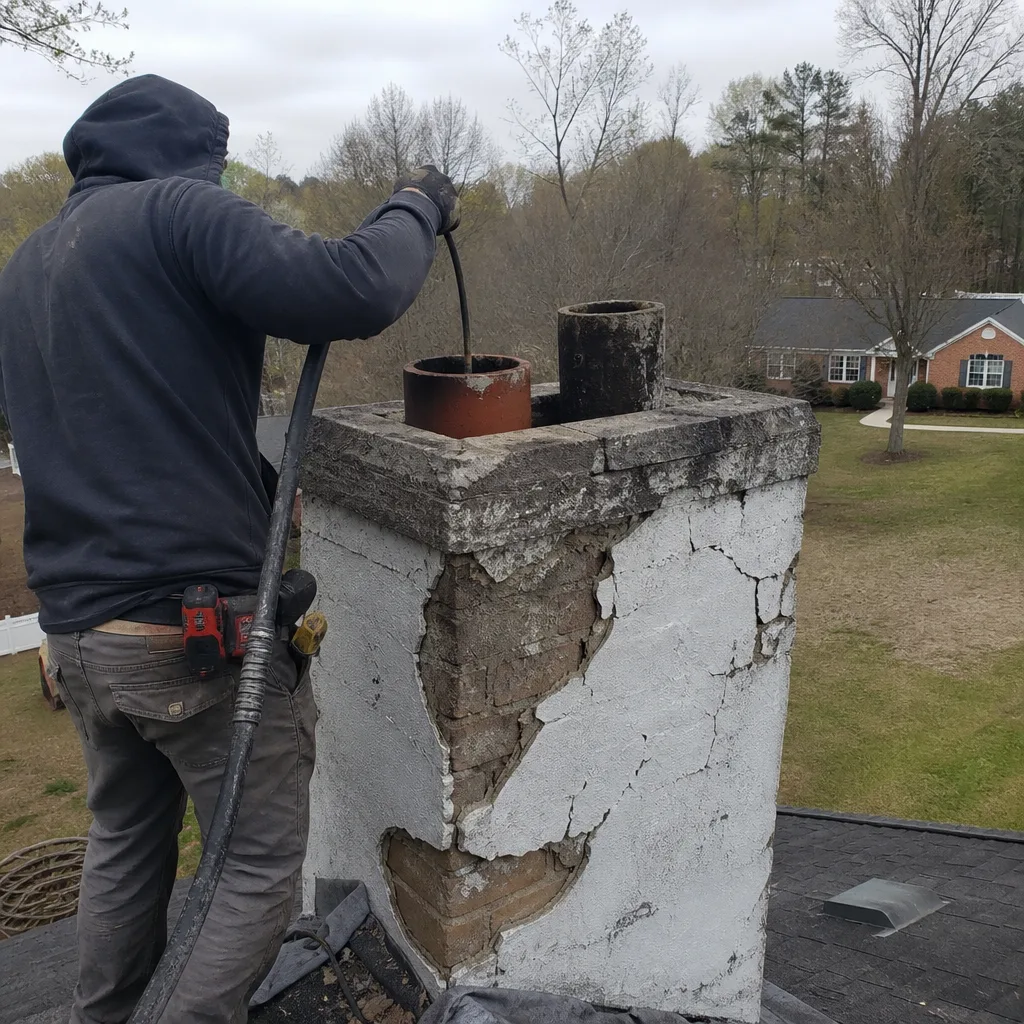 Before
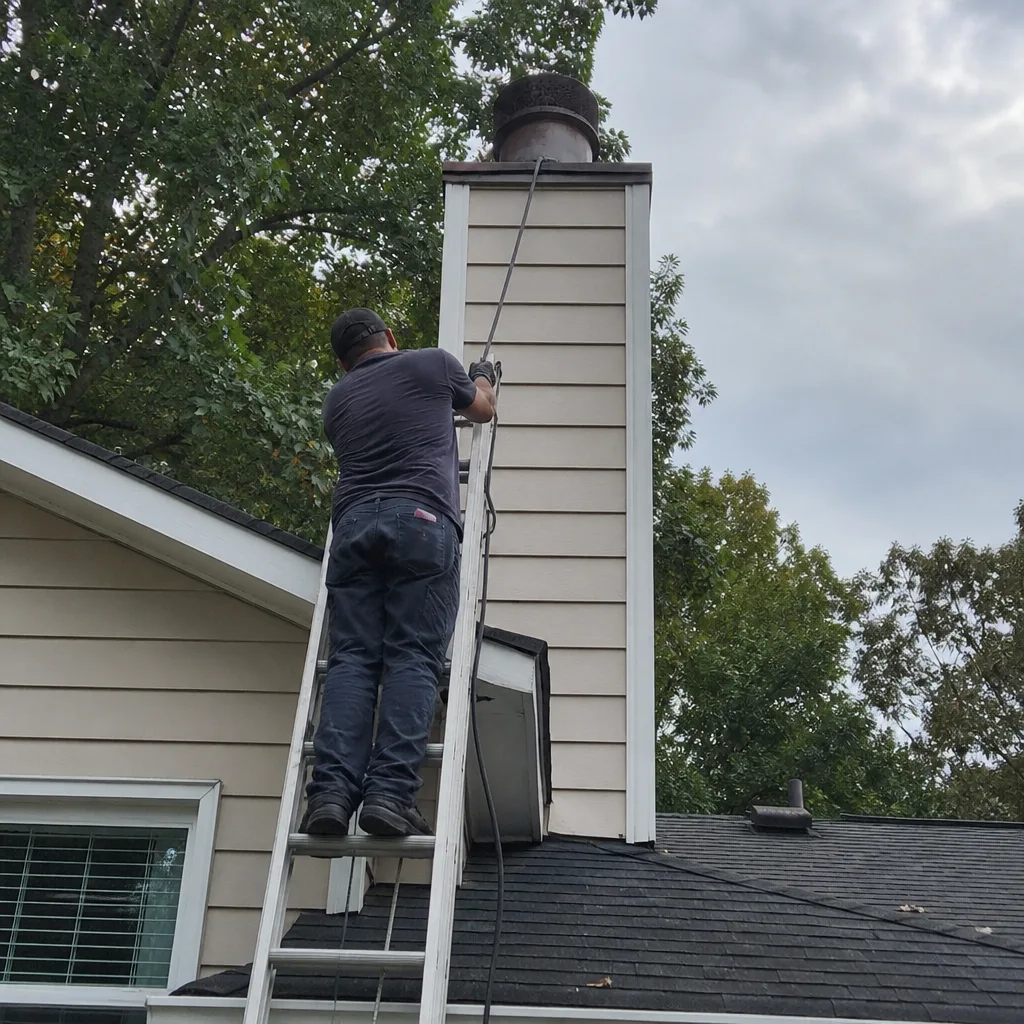 After
After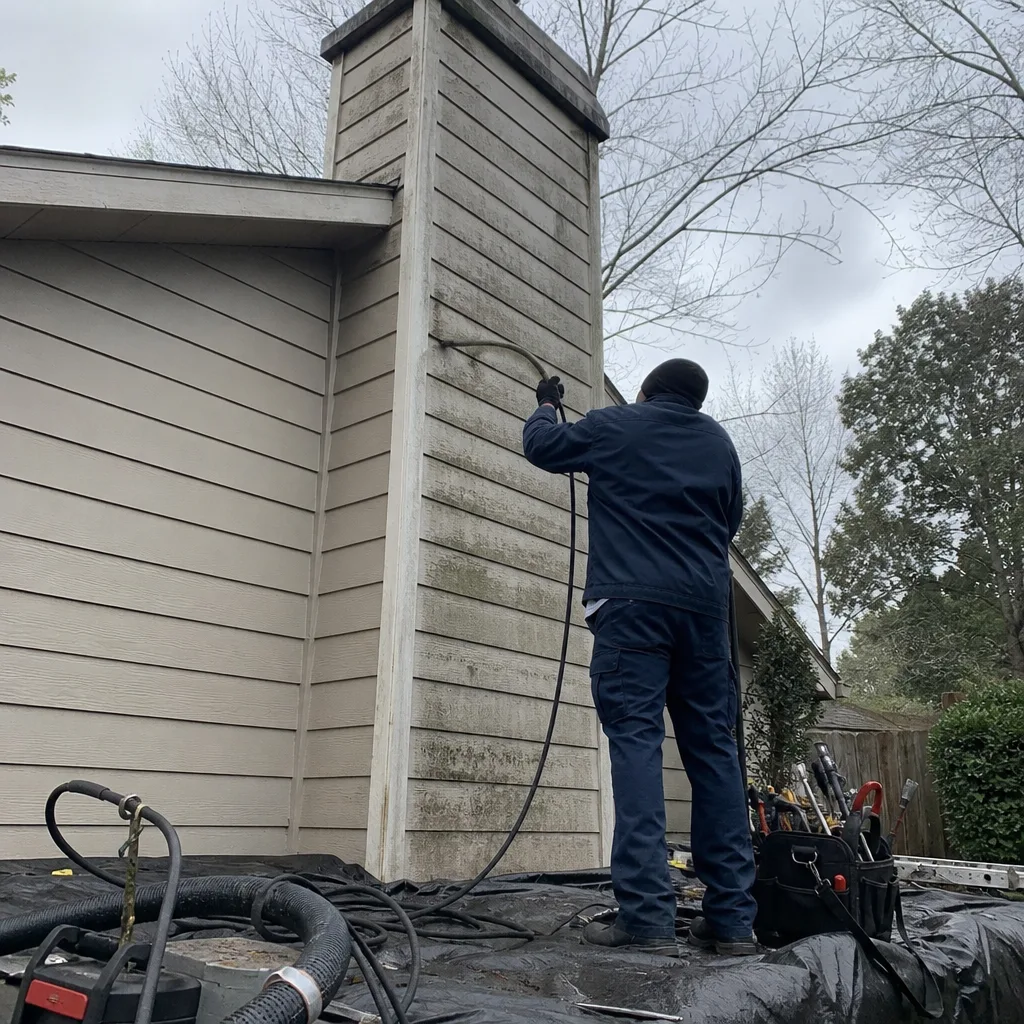 Before
 After
After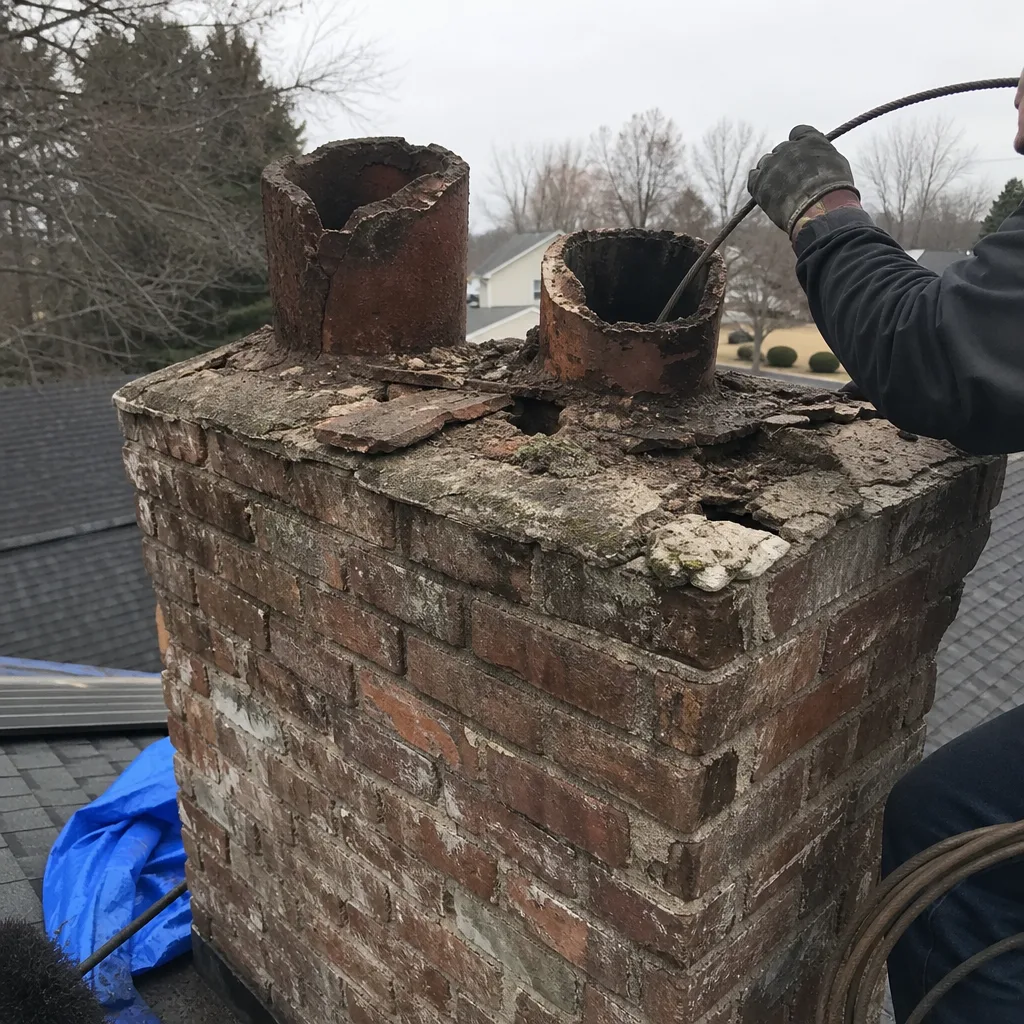 Before
 After
AfterThe Complete Guide to Chimney Cleaning in Kennesaw
The national fire data most sweeps cite stops at “dirty chimney.” It doesn’t tell you that the flue can pass a visual inspection and still hold a hidden glazed-creosote deposit that a flashlight can’t reach - the kind that fueled the Chimney Safety Institute’s own case studies. In Kennesaw, where winter temperature swings force masonry to expand and contract across freeze-thaw cycles, that hidden buildup cracks flue liners and creates pathways for carbon monoxide long before a homeowner smells smoke. This guide - along with our more guides & resources - maps the full sequence of a complete chimney cleaning so you know exactly what documentation to demand, what Kennesaw’s housing stock specifically requires, and why a sweep without a camera scan leaves the most dangerous questions unanswered.
Quick Answer
A complete chimney cleaning in Kennesaw costs $199-$349 for a standard sweep with NFPA 211 Level 2 camera inspection, or $450-$850 if Class III glazed creosote requires chemical treatment and mechanical removal. Every legitimate job should deliver a written scope before work starts, a photo record of the flue interior, and a documented condition report on completion - anything less leaves you without proof the work was necessary or done correctly.
Table of Contents
- What a Complete Chimney Cleaning Actually Includes
- Level 1 Flashlight Check vs. Level 2 Camera Scan
- Kennesaw’s Two Housing Types, Two Cleaning Profiles
- Creosote Stages and What They Cost to Remove
- What a Written Scope of Work Should Include
- What Your Documented Record Should Contain
- How Often Should a Kennesaw Chimney Be Swept?
- Common Mistakes to Avoid
- When to Call a Professional
- Frequently Asked Questions
 Before
 After
AfterWhat a Complete Chimney Cleaning Actually Includes
A chimney cleaning is not a brush run down from the roof and a handshake. The complete service follows a sequence that protects both the structure and the people living under it. At Level Two Chimney Kennesaw home, we’ve completed more than 38,000 cleanings since 2009, and the jobs that uncover real problems almost always follow this order:
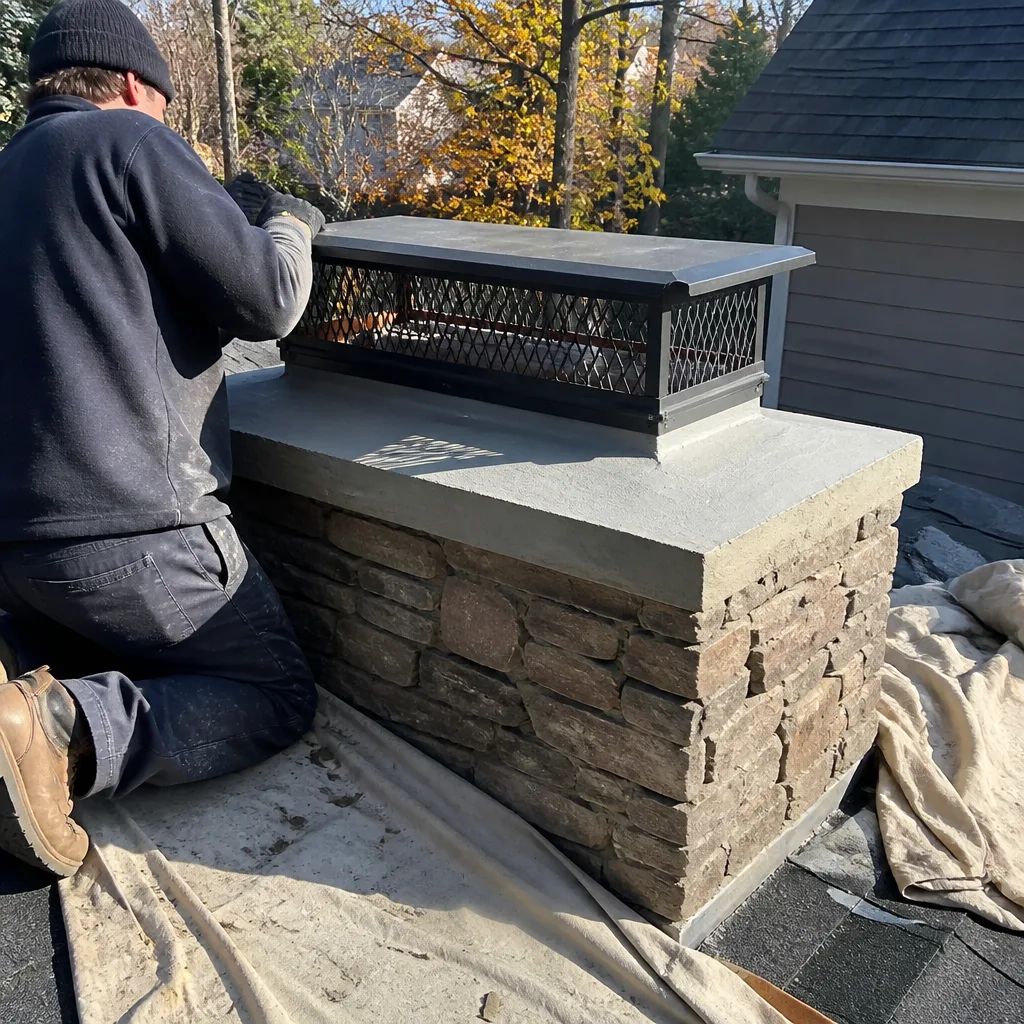
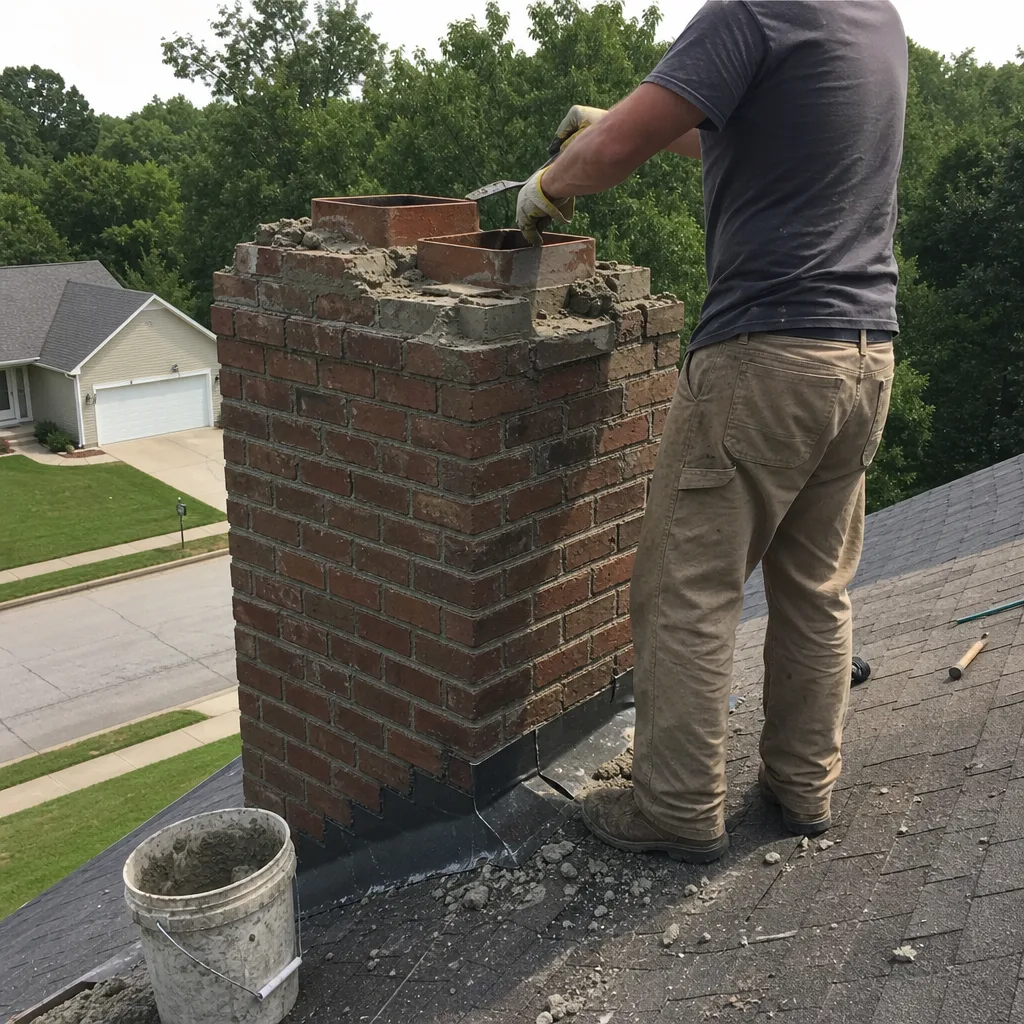
- Exterior condition survey. We photograph the crown, cap, flashing, and masonry from the roof or ladder before touching anything inside. In Kennesaw, where summer humidity followed by hard freezes creates spalling (surface flaking) on brick faces, this exterior record often explains interior damage we find later.
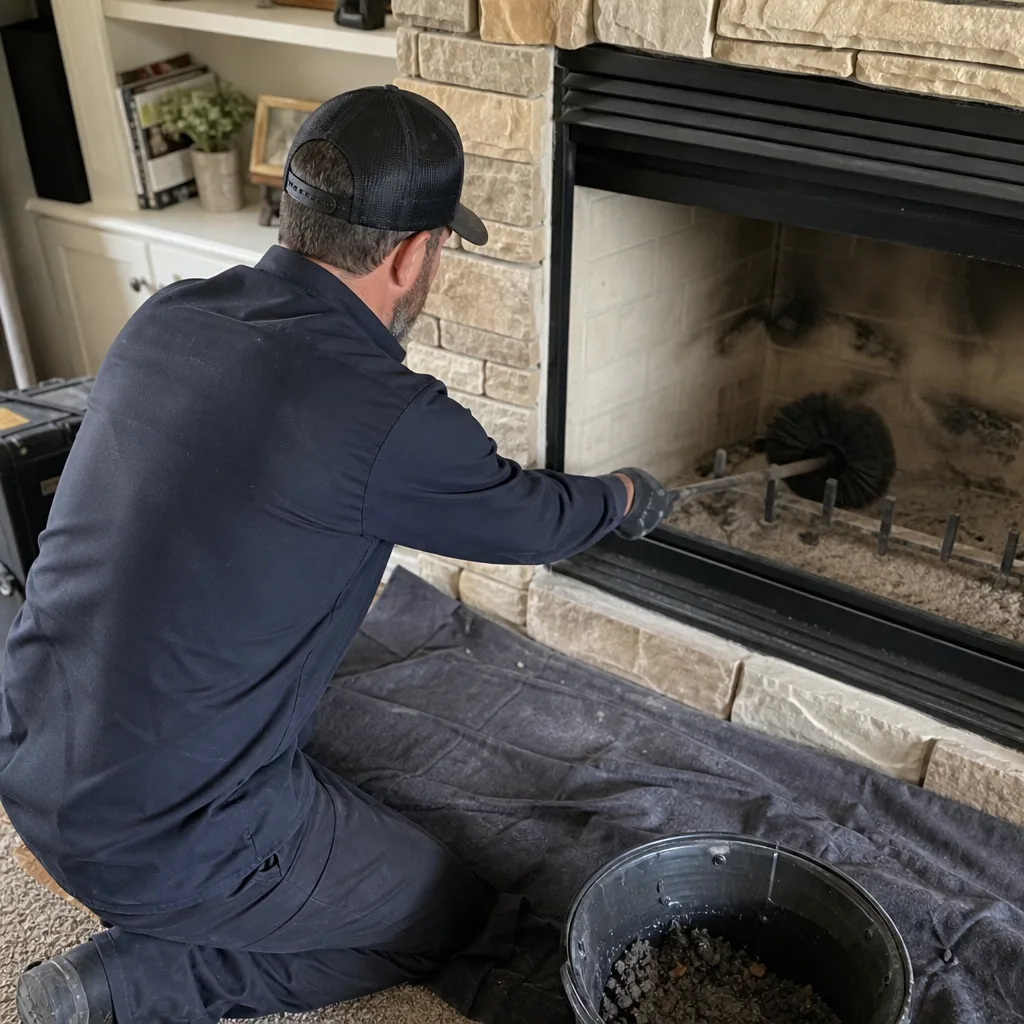
- Firebox and smoke chamber access. The firebox is where fuel burns; the smoke chamber is the angled passage above it that funnels smoke into the flue. Both collect fallen debris, cracked refractory panels, and eroded mortar joints that a sweep alone won’t fix.
- NFPA 211 Level 2 camera scan of the flue liner. A high-resolution camera on a flexible rod travels the full length of the flue, recording every joint, crack, and creosote deposit. This is not optional documentation. Clause 4 of the Haven Standard requires a photo record on every job because without it, neither you nor your insurer can verify what was found or what was done.
- Creosote staging and method selection. First-degree creosote (sooty, brush-removable) requires standard rotary sweeping. Second-degree (shiny flakes, harder adhesion) needs stiffer poly brushes. Third-degree glazed creosote - black, tar-like, nearly glass-hard - demands chemical pretreatment and mechanical removal over multiple visits. We stage what we find before quoting additional work.
- Sweep and debris removal. Rotary or manual brushes matched to the flue diameter, with HEPA-contained vacuum systems. No soot enters your living space.
- Post-sweep camera verification. The camera runs again to confirm the flue is clean and document the final condition. This second pass is where we catch missed spots or newly exposed cracks that the first scan couldn’t see through buildup.
- Written condition report with photos. You receive a dated document with camera stills, written findings, and any recommended repairs with line-item pricing. This becomes your property record.
Anything marketed as a “chimney sweep” that skips steps 3, 6, or 7 is a surface cleaning. You paid to remove fire risk, not to have someone brush what they could reach and hope for the best.
Level 1 Flashlight Check vs. Level 2 Camera Scan
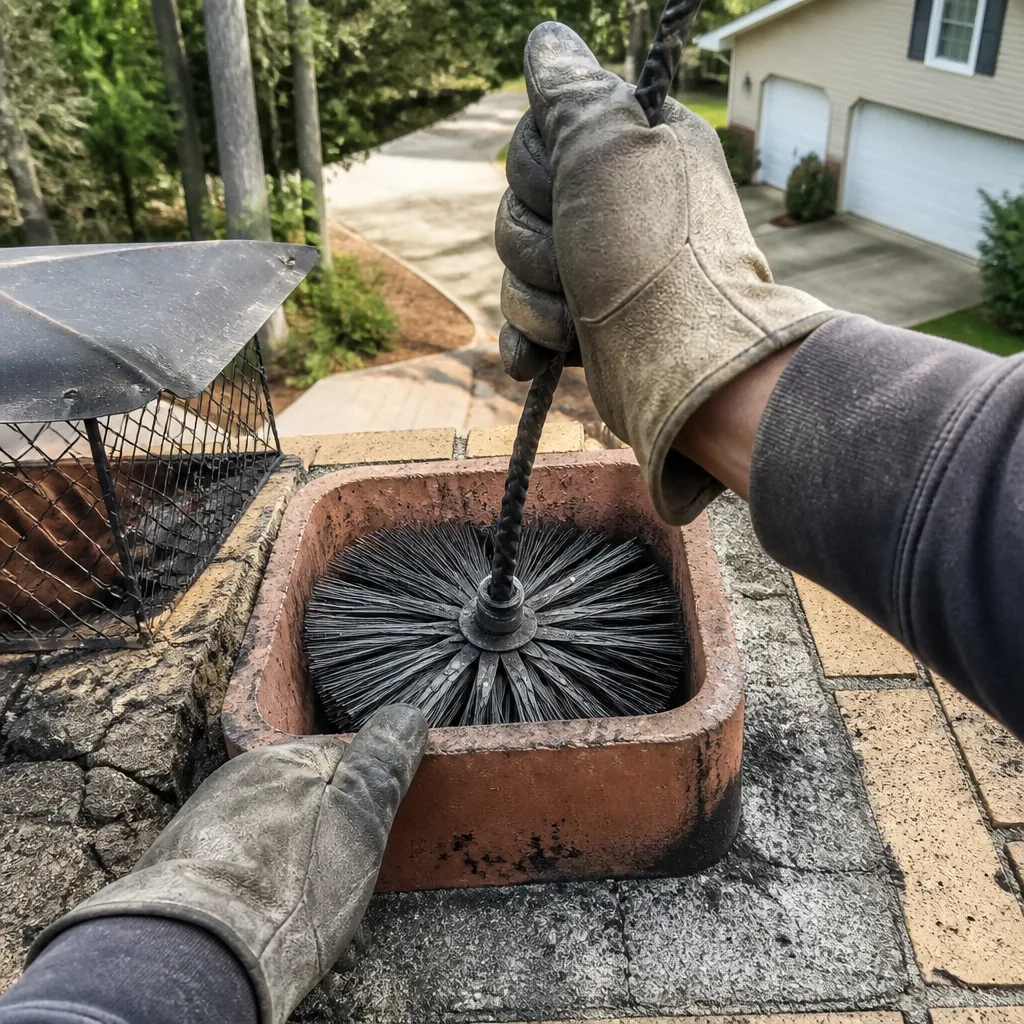
The Chimney Safety Institute of America and the National Fire Protection Association define three inspection levels. Most homeowners in Kennesaw have only ever received Level 1, often without knowing the difference.
A Level 1 inspection is a visual examination of readily accessible portions of the chimney exterior, interior, and connecting appliances. The technician uses a flashlight, maybe a mirror on a pole. They cannot see past the first few feet of the flue liner, cannot inspect the smoke chamber from below without special equipment, and cannot document hidden creosote deposits or cracked tile joints above the damper. Level 1 is appropriate only when no changes have been made to the system and no problems are suspected.
A Level 2 inspection adds a camera scan of the full flue interior, accessible portions of the attic and crawl space, and inspection of the chimney’s exterior from the roof. It is required by NFPA 211 upon the sale or transfer of a property, after an operating malfunction or chimney fire, or after any weather event or installation change. In practical terms, it is the minimum responsible standard for any homeowner who cannot personally verify the flue’s condition.
Here’s what the difference looks like in practice. In 2019, we inspected a 1987 brick colonial on Pine Mountain Road in Kennesaw. The Level 1 flashlight check from a competitor six months prior noted “flue appears sound.” Our Level 2 camera scan found a displaced flue tile at the second joint, creating a 3-inch gap where combustion gases had been venting into the chimney cavity for years. The homeowner had no symptoms because the gap was above the damper, in a sealed system. Without the camera, that finding doesn’t exist until the liner fails completely or a home inspector catches it at sale.
Level Two Chimney Co. made camera-scan documentation the default in 2009, years before regulators or insurers asked for it. That practice became Clause 4 of the Haven Standard. We do not perform cleanings without it.
Kennesaw’s Two Housing Types, Two Cleaning Profiles
Kennesaw’s housing market splits roughly into two categories, and each creates distinct chimney maintenance needs that affect brush selection, chemical treatment, and repair frequency.
Older Brick Colonials and Ranch Homes (Pre-1995)
Neighborhoods like Legacy Park’s original sections, neighborhoods off Wade Green Road, and the older parcels near Kennesaw Mountain National Battlefield Park contain masonry fireplaces built with clay flue tiles, parged smoke chambers, and minimal chimney caps. These systems have decades of thermal cycling behind them. The clay tiles expand and contract at different rates than the surrounding brick; after 30+ Kennesaw winters, the mortar joints between tiles often erode or the tiles themselves crack vertically.
Cleaning profile: Larger flue diameters (typically 8×12 or 10×10 inches) require stiff poly or flat wire brushes sized exactly to the tile dimensions. Oversized brushes skip the corners where creosote concentrates; undersized brushes polish the center and leave the perimeter. We measure before selecting equipment. The parged smoke chamber (a thin mortar coating over brick corbelling) often shows parge loss that exposes raw brick - a fire risk the camera reveals but a flashlight misses.
Common findings in Kennesaw’s older stock: Spalling brick crowns from freeze-thaw damage, deteriorated mortar crowns allowing water behind the flue, and Class II or III creosote from years of green or unseasoned hardwood burning.
Newer Gas-Insert and Factory-Built Homes (Post-2000)
Developments around Barrett Parkway, Chastain Meadows, and the Town Center area feature factory-built metal chimneys or direct-vent gas inserts with stainless steel liners. These systems burn cleaner but create different maintenance problems. Gas combustion produces water vapor and acidic condensate that corrodes metal liners from the inside. The flexible aluminum liners common in 2000s construction are particularly vulnerable to joint separation and corrosion pinholes.
Cleaning profile: Smaller diameters (typically 3-6 inches for gas inserts), requiring softer poly or nylon brushes that won’t score stainless steel. Chemical treatments differ - we use Gelco’s ProFlex-compatible solvents for metal liner maintenance, not the alkaline degreasers formulated for masonry. The inspection focus shifts from creosote volume to condensate staining, joint integrity, and proper appliance connection.
Common findings: Disconnected flex liner sections above the firebox (often from original installation errors), corroded termination caps from DuraFlex or Olympia Chimney lines that have reached end of service life, and blocked termination screens from spider webs or wasp nests in Kennesaw’s heavy insect seasons.
Knowing which profile your home matches before calling saves time and prevents a technician from arriving with brushes sized for the wrong system. We ask about construction decade and fuel type when you schedule.
Creosote Stages and What They Cost to Remove
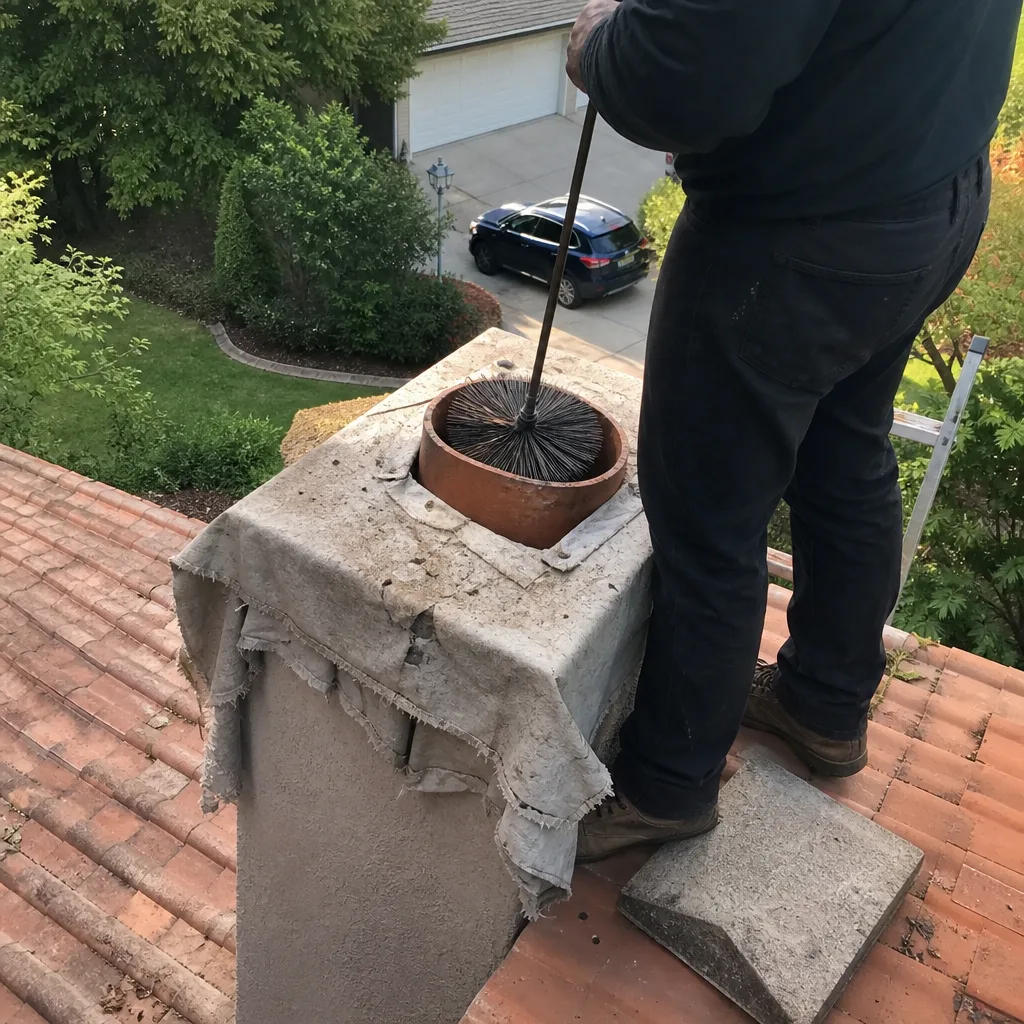
Creosote is not a single substance. The Chimney Safety Institute of America classifies it into three stages, and each requires a different removal method with different labor and material costs. A sweep who quotes a flat rate without staging what they find is guessing, and their guess will either overcharge you for simple soot or underbid themselves into cutting corners on glazed buildup.
| Creosote Stage | Appearance | Removal Method | Typical Cost in Kennesaw |
|---|---|---|---|
| First Degree | Soft, sooty, black; brushes off easily | Standard rotary sweeping with poly or wire brush | Included in base sweep ($199-$249) |
| Second Degree | Shiny black flakes, harder adhesion; often from slow-burning fires or unseasoned wood | Stiff poly or flat wire brushes; may require chain flail for stubborn areas | +$75-$150 above base sweep |
| Third Degree (Glazed) | Hard, glossy, tar-like; nearly glass surface; extremely combustible | Chemical pretreatment (powdered or spray creosote modifiers) applied over 1-2 weeks, followed by mechanical removal with chain flails or rotary whips; often requires multiple visits | $450-$850 total; includes staging visit, chemical application, and final sweep with verification scan |
Third-degree creosote forms when wood burns at low temperatures with insufficient oxygen - the “overnight burn” or dampered-down fire that smolders for hours. Kennesaw’s mild winters encourage this behavior; homeowners build a fire for ambiance rather than heat, then choke it down to last the evening. The result is a glossy black deposit that standard brushing cannot touch. We’ve removed glazed buildup from flues in Kennesaw’s Legacy Park and Acworth Road areas that measured over 1/4 inch thick - a genuine chimney fire waiting for an ignition source.
We stage creosote before quoting additional work. Clause 1 of the Haven Standard requires a written price before any work starts, and that price depends on what the camera shows. If a technician quotes $99 over the phone without seeing your flue, they’re either planning to upsell on arrival or planning to do work that won’t actually remove the hazard.
What a Written Scope of Work Should Include
The written scope is your protection against scope creep, surprise charges, and work you didn’t authorize. Before any brush touches your flue, you should hold a document that includes:
- Property address and system identification. Which fireplace, stove, or insert; its location in the home; fuel type; and approximate age if known.
- Inspection level and method. Explicitly “NFPA 211 Level 2 inspection with video camera scan of full flue length.” Not “inspection” or “check.” The method matters.
- Cleaning method and equipment. Brush type and diameter matched to your flue; vacuum system (HEPA-contained, not shop-vac); debris containment protocol.
- Creosote staging result. What degree was found, where, and how thick. This justifies any additional method or cost.
- Line-item pricing. Base sweep price; additional charges for second-degree or third-degree removal; any recommended repairs with separate prices for each. A single lump sum hides what you’re paying for and prevents comparison.
- Documentation to be delivered. Number of camera images, format of condition report, warranty terms.
- Technician identification. Name and license number of the assigned technician, with background verification noted.
- Customer authorization signature line. Your signature before work begins, not after.
The Haven Standard’s Clause 1 - H.A.V.E.N., “Have it in writing” - exists because we’ve seen too many Kennesaw homeowners presented with a verbal “that’ll be about this much” that balloons by 40% once the technician is in the living room. Written scope, written price, written warranty. No exceptions.
What Your Documented Record Should Contain
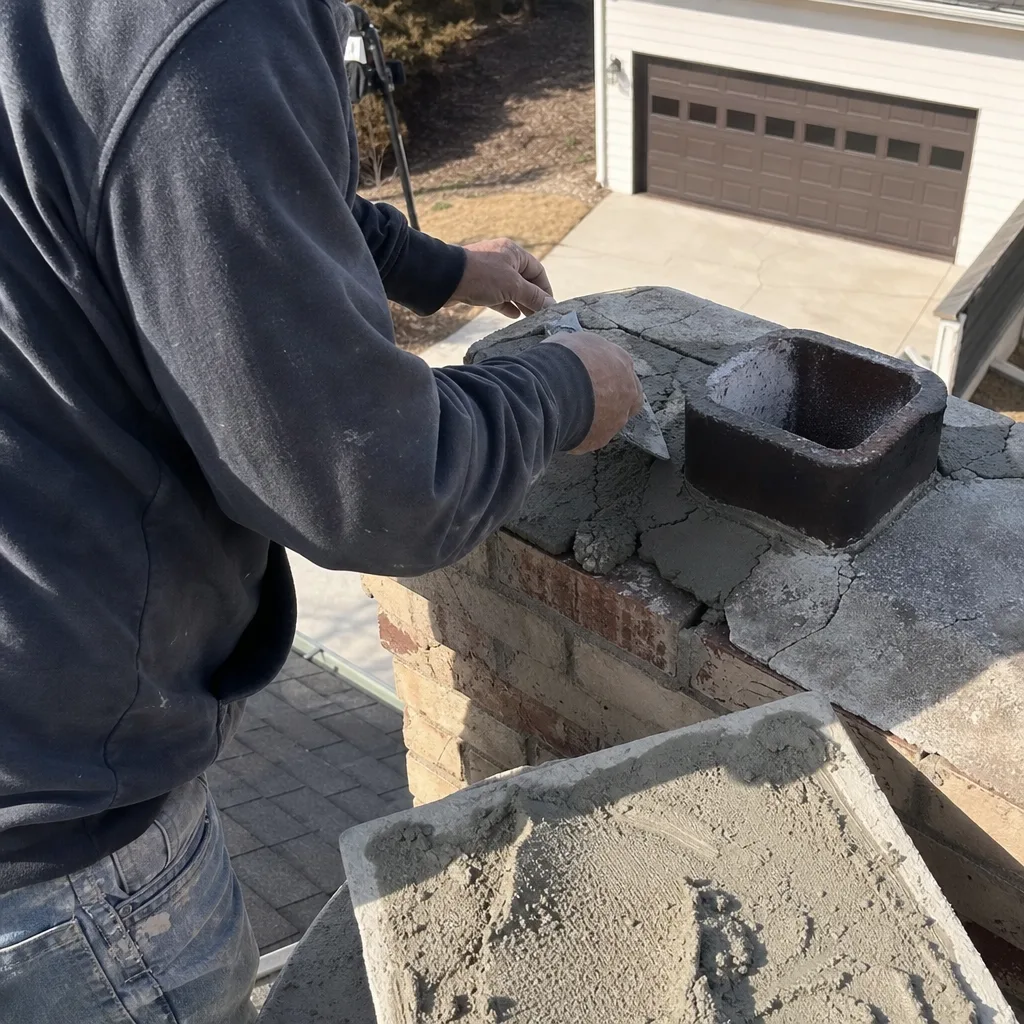
After the sweep, you should receive a complete record that serves three purposes: proving the work was done, establishing the flue’s condition for your insurer, and creating a baseline for future inspections. This is not a receipt. It is a technical document.
A complete record from Level Two Chimney Kennesaw includes:
- Pre-inspection camera images. Time-stamped stills from the full flue length, showing creosote deposits, cracks, joint gaps, or liner damage before cleaning. These justify any repair recommendations and prove the cleaning was necessary.
- Post-cleaning camera verification images. Matching views from the same positions, showing clean flue surfaces and any remaining defects that require monitoring or repair.
- Written condition report. Narrative description of findings, classified by NFPA 211 terminology: “flue liner sound,” “minor spalling noted at third tile joint,” “recommend crown rebuild within 24 months,” etc.
- Completed scope of work. Signed copy showing what was agreed, what was performed, and any deviations with customer initials.
- Repair recommendations with priority classification. Immediate (safety hazard, do not use), short-term (address within 12 months), and monitor (note at next inspection). Each includes line-item pricing.
- 365-Day Done Right Promise documentation. Warranty terms stamped on the record, with contact information for any callback.
This record becomes part of your home’s maintenance history. When you sell, buyers and their inspectors can verify the chimney was maintained to standard. When you file an insurance claim, you have dated proof of condition. When we return for your next cleaning, we compare against this baseline to catch deterioration early.
Clause 4 of the Haven Standard requires this documentation on every job. We’ve maintained this archive practice continuously since 2009. In Kennesaw’s competitive real estate market, a documented chimney record can prevent sale delays or renegotiations that cost far more than the original sweep.
How Often Should a Kennesaw Chimney Be Swept?
The NFPA 211 standard recommends annual inspection, with cleaning frequency determined by use and fuel type, not calendar alone; our Seasonal Chimney Cleaning Care for Kennesaw: Year-Round Homeowner’s Guide breaks down the timing by season. In practice, Kennesaw’s climate and burning patterns create these intervals:
Wood-burning masonry fireplaces: Inspect annually; sweep when creosote reaches 1/8 inch thickness. For homeowners who burn 2-3 times weekly during cold months, this typically means annual sweeping. Occasional holiday-only users may stretch to every 2-3 years if the Level 2 camera scan confirms minimal buildup.
Gas fireplaces and inserts: Inspect annually; sweep or service every 2-3 years depending on condensate staining and burner condition. The inspection matters more than the cleaning - disconnected liners and corroded terminations create CO hazards without visible soot.
Pellet stoves: Clean venting system and inspect combustion chamber per manufacturer schedule, typically annually or after every 2 tons of pellets burned. The auger and burn pot require separate service from the flue.
Oldest Kennesaw homes (pre-1980 masonry): Annual inspection regardless of use. Age, previous maintenance unknowns, and the freeze-thaw stress of Kennesaw’s variable winters justify closer monitoring.
The critical point: inspection frequency and cleaning frequency are separate decisions. You inspect to determine if cleaning is needed. Skipping the inspection because “we hardly use it” is how hidden liner damage progresses to structural failure.
Common Mistakes to Avoid
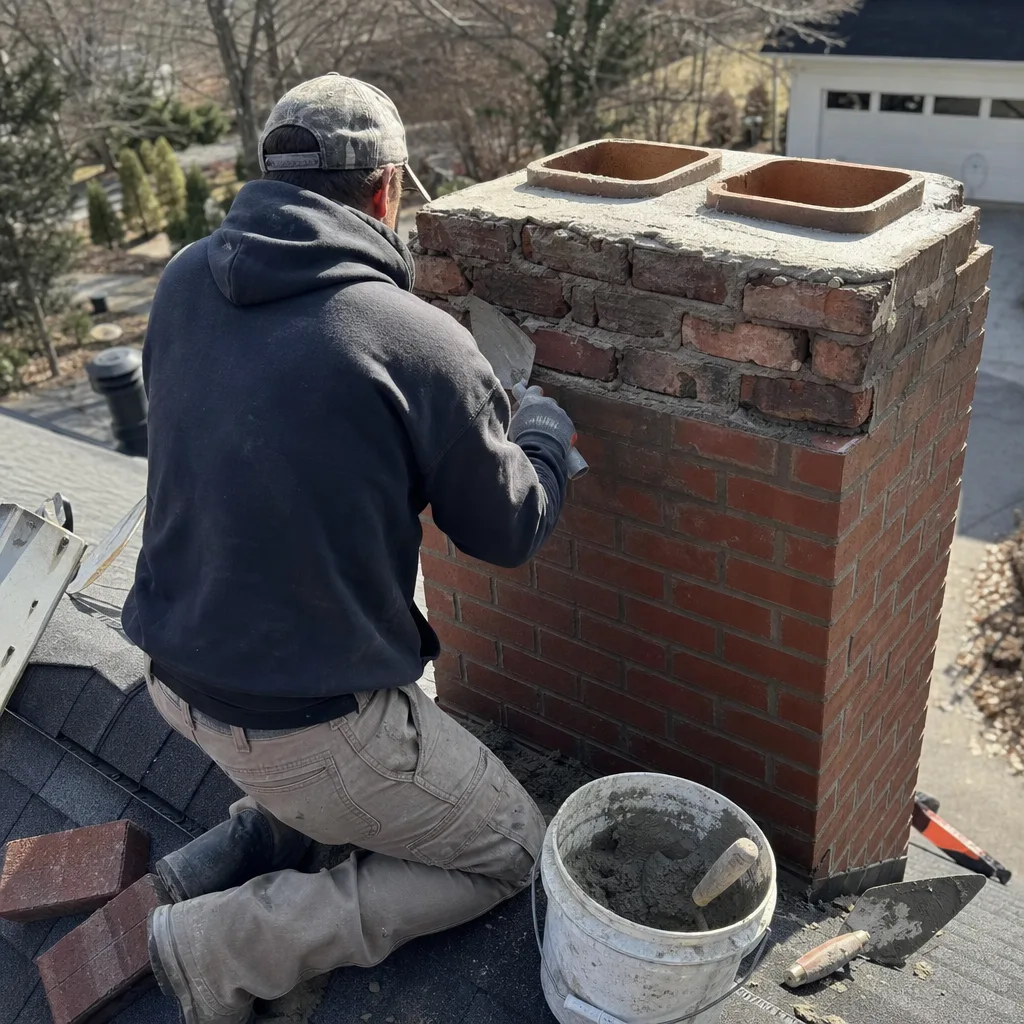
- Hiring based on lowest price without verifying inspection level. A $99 sweep that skips the camera cannot document what was or wasn’t found. In Kennesaw’s older neighborhoods near Kennesaw Mountain, we’ve followed “cheap sweeps” that missed cracked liners and active water intrusion.
- Assuming gas fireplaces need no maintenance. Gas burns cleaner but produces acidic condensate and requires proper venting. We’ve found disconnected flex liners in Kennesaw townhomes that had been venting into wall cavities for years without the homeowner knowing.
- Burning unseasoned or “green” wood. Wood with moisture content above 20% burns cool, produces heavy smoke, and creates second- and third-degree creosote rapidly. Kennesaw’s suburban lots don’t always allow proper seasoning space; buy kiln-dried or verify 12-month air-drying minimum.
- Using the fireplace as a furnace substitute with dampers choked. The smoldering “all-night burn” is the single biggest cause of glazed creosote. It saves a few logs and risks a chimney fire.
- Accepting verbal estimates or post-work invoices without prior written scope. This removes your ability to compare, question, or decline. The Haven Standard’s written-price requirement exists because we believe you should know what you’re buying before anyone enters your home.
- Ignoring the crown and cap. Water is masonry’s enemy, and Kennesaw’s spring storms drive rain down uncapped flues. A cracked crown or missing cap destroys the flue from the outside while you’re focused on soot inside.
- Skipping inspection after a chimney fire or severe weather event. Even a small chimney fire (often mistaken for “a loud noise in the fireplace”) can crack tiles or damage liners. The NFPA requires Level 2 inspection after any such event before returning to service.
When to Call a Professional
Call for a Level 2 inspection and cleaning if you notice any of the following: visible creosote flakes falling into the firebox, smoke entering the room during use, a strong tar or campfire odor in summer months, white staining on exterior brick (efflorescence from moisture intrusion), or any change in draft performance. After any chimney fire, lightning strike, or significant seismic event, the NFPA mandates Level 2 inspection before reuse.
For Kennesaw homeowners considering a purchase, sale, or fuel conversion (wood to gas, or adding a wood insert to an existing fireplace), schedule inspection before committing to the change - our How to Hire a Chimney Cleaning Contractor in Kennesaw: A Step-by-Step Guide explains what to ask. The flue liner suitable for one fuel or appliance is often unsafe for another.
Chimney Cleaning & Sweep in Kennesaw from Level Two Chimney Kennesaw includes the full Level 2 camera inspection, written scope, and documented photo record on every visit. We also offer Chimney Repair in Kennesaw and Fireplace Services in Kennesaw using materials from HeatShield, Gelco, and Olympia Chimney sourced through our Haven buying network. Free estimates are available - call (678) 535-2204 to schedule. A live person answers 24 hours a day.
Frequently Asked Questions
A standard chimney sweep with NFPA 211 Level 2 camera inspection in Kennesaw costs $199-$349, depending on flue accessibility and system type. Class II or III creosote removal adds $75-$150 and $450-$850 respectively. We provide a written price before any work starts - call (678) 535-2204 for an exact quote; estimates are free.
You need a new liner only if the existing one is cracked, displaced, corroded, or improperly sized for your appliance - and only after you’ve seen camera evidence of the damage. We do not recommend liner replacement without documented photo proof you can review yourself. Some cracks can be repaired with HeatShield cerfractory foam; others require stainless steel or DuraFlex relining. The camera scan determines which, and the written report shows you why. Call (678) 535-2204 for a free second opinion on any liner replacement quote you’ve received.
A sweep removes combustible deposits from the flue and firebox. An inspection evaluates the system’s safety and condition. They are separate services that often happen together, but a sweep without inspection cannot confirm the flue is safe to use, and an inspection without cleaning leaves hazardous material in place. Level Two Chimney Kennesaw performs both as an integrated service, with camera documentation of before and after conditions.
Wood-burning systems used regularly need annual sweeping; gas systems need annual inspection with cleaning every 2-3 years. Kennesaw’s freeze-thaw winters accelerate masonry deterioration, so older homes benefit from yearly Level 2 inspection regardless of use frequency. The camera scan determines whether cleaning is actually needed each year.
Skipped maintenance allows creosote to accumulate to combustible levels, increasing chimney fire risk. It also lets liner cracks, water intrusion, and corrosion progress undetected until they require major repair or create carbon monoxide hazards. In Kennesaw’s resale market, undocumented chimney condition often triggers buyer inspection renegotiations or sale delays. The cost of scheduled maintenance is consistently lower than emergency repair or remediation.
First-degree creosote removal is physically possible for a homeowner with proper brushes, extension rods, and a HEPA vacuum, but we do not recommend it; see our DIY vs Professional Chimney Cleaning: The Kennesaw Homeowner’s Decision Guide for why. The critical safety information - liner condition, hidden cracks, proper clearances - requires camera inspection that homeowner equipment cannot provide. For second- and third-degree creosote, chemical treatment and mechanical removal involve compounds and tools that require training to use safely. More importantly, DIY cleaning provides no documented record for insurance or resale. Professional service with written documentation protects more than the flue; it protects your liability exposure.
The Bottom Line
A chimney cleaning in Kennesaw is a documented sequence, not a single action. The camera scan determines what needs removal. The written scope fixes the price before work begins. The photo record proves what was done. Anything less leaves you without evidence the job was necessary or performed correctly. Level Two Chimney Kennesaw has followed this sequence for more than 38,000 chimneys since 2009, with the 365-Day Done Right Promise backing every job. For a free estimate with written scope, call (678) 535-2204 - a live person answers 24 hours a day.
Written by Corrine Halstead, Owner at Level Two Chimney Kennesaw, serving Kennesaw since 2009.