
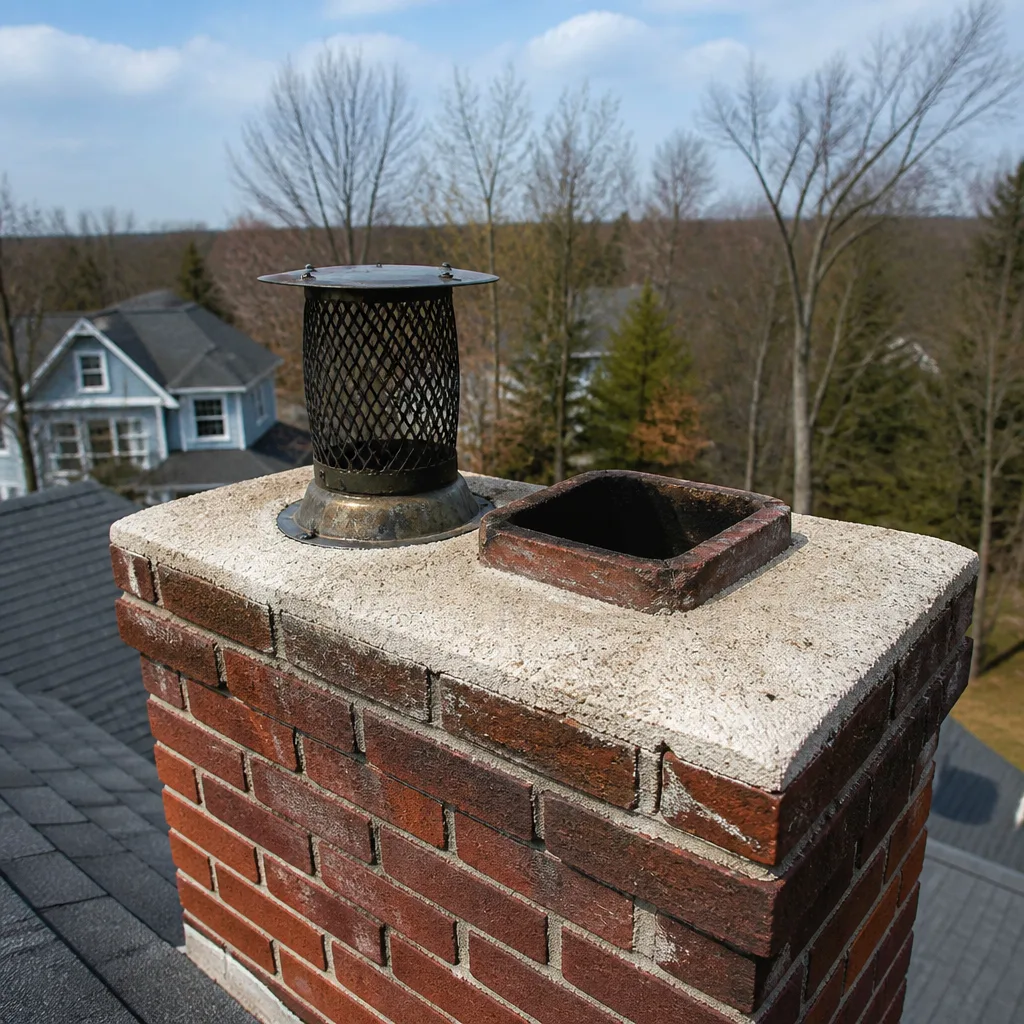
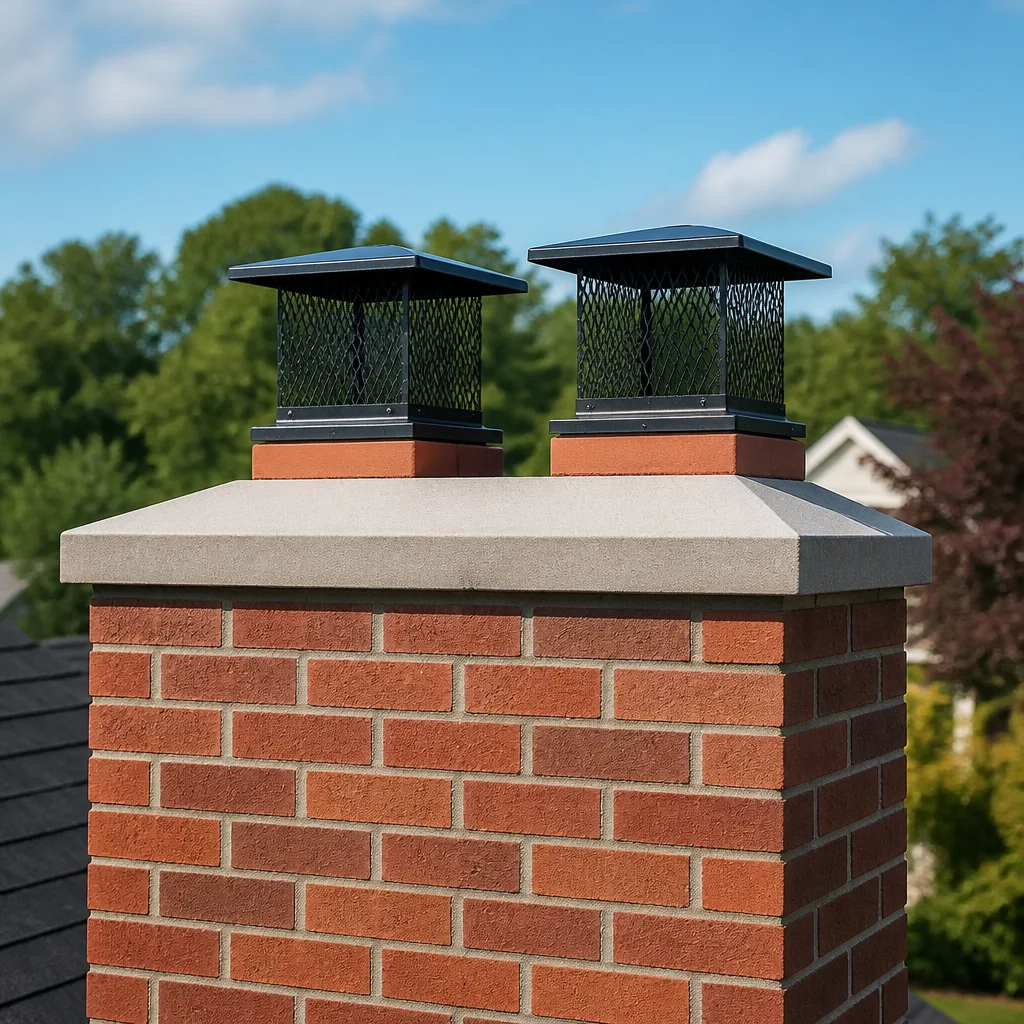
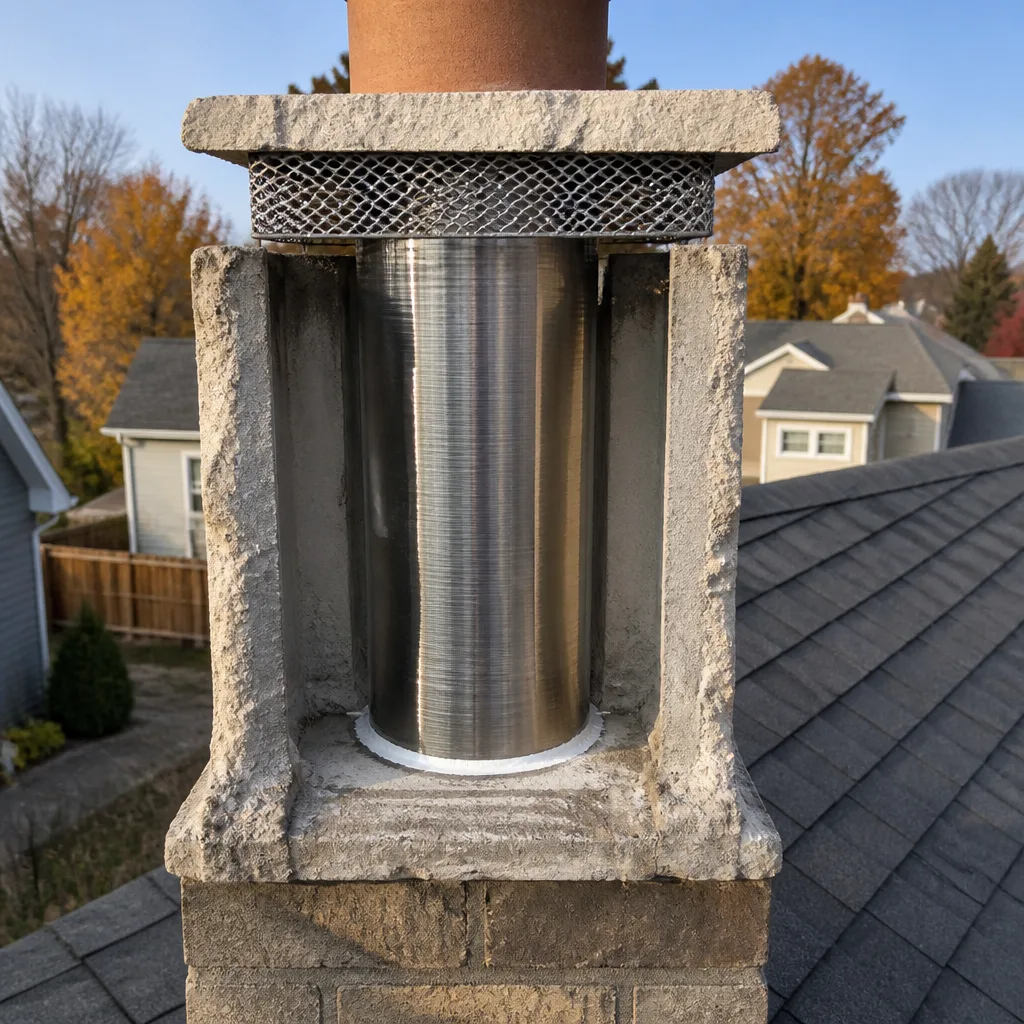
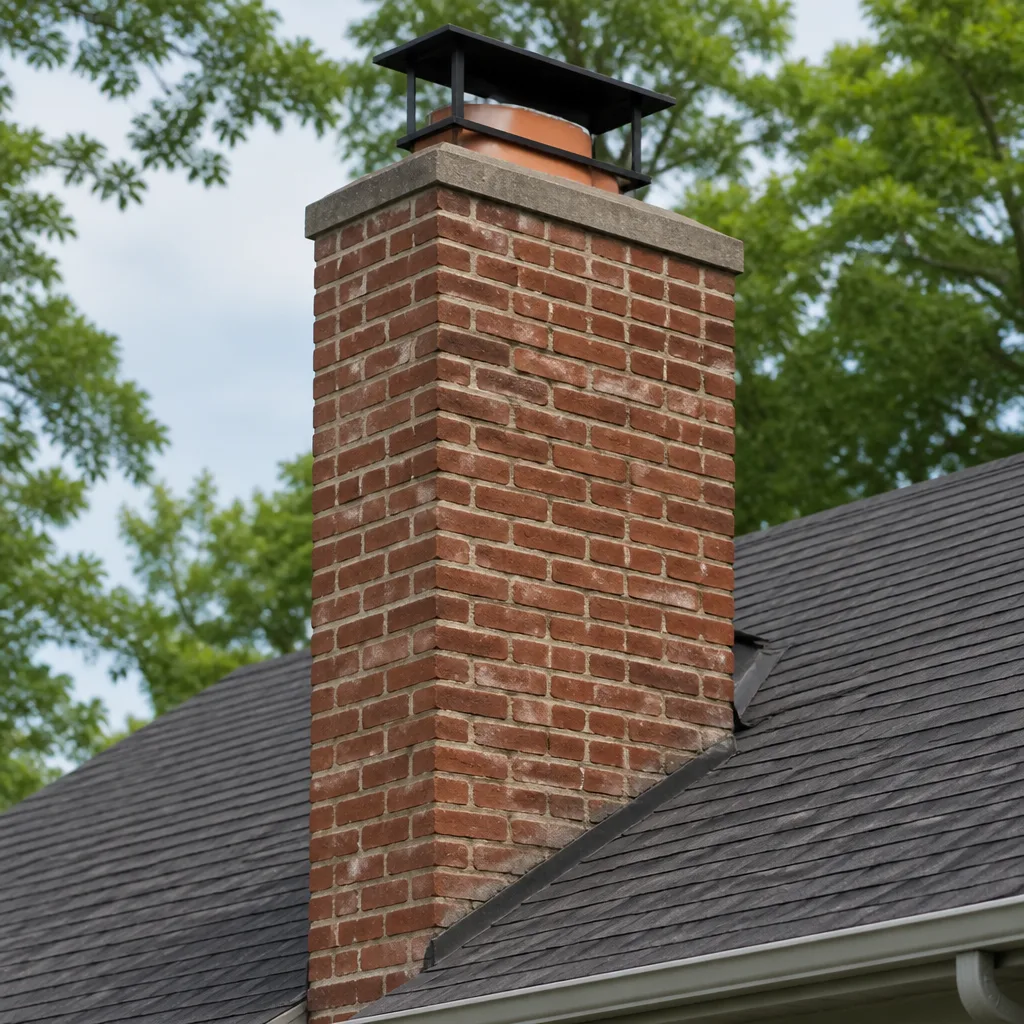
Level 1 sweep and inspection to the NFPA 211 annual standard - flue, crown, cap, and flashing checked and photographed
Chimney sweep logs do not sweep chimneys. They loosen some creosote - which then falls where a brush and vacuum still have to collect it.
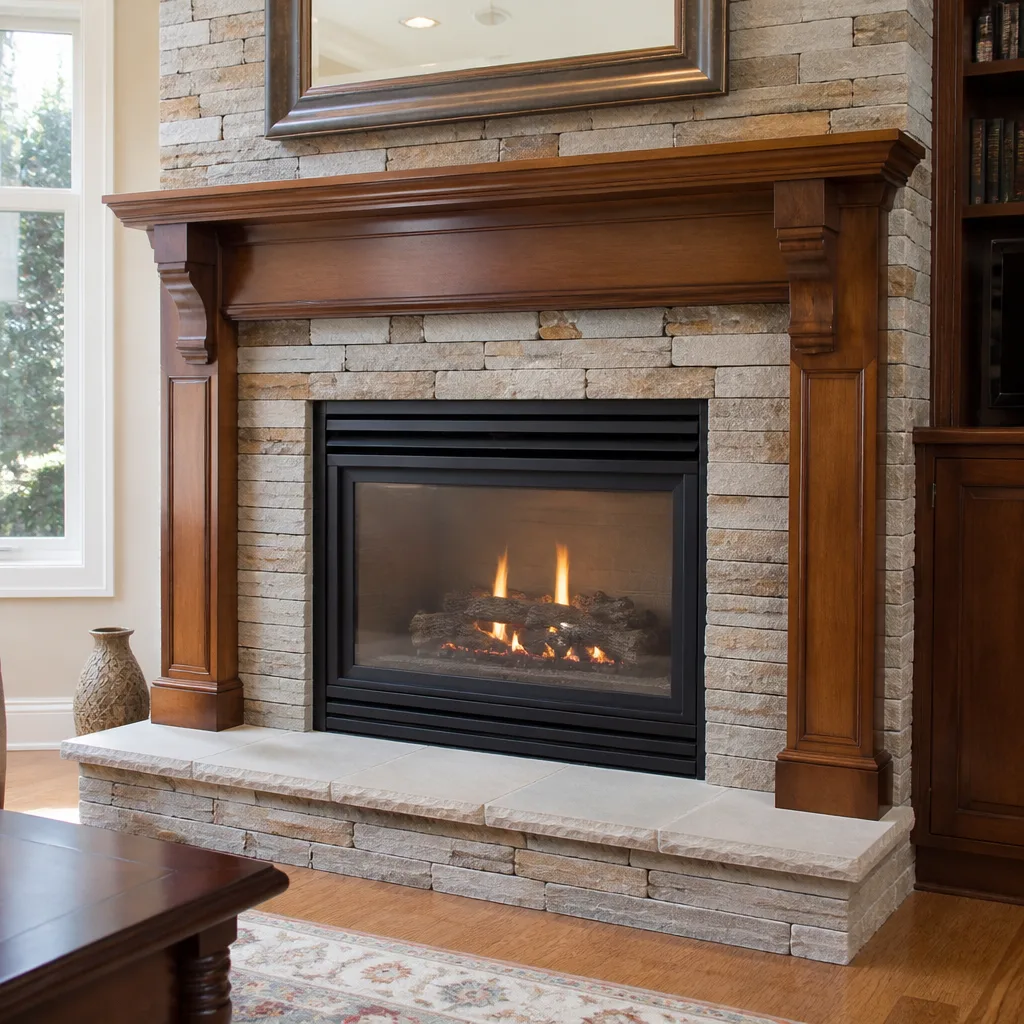
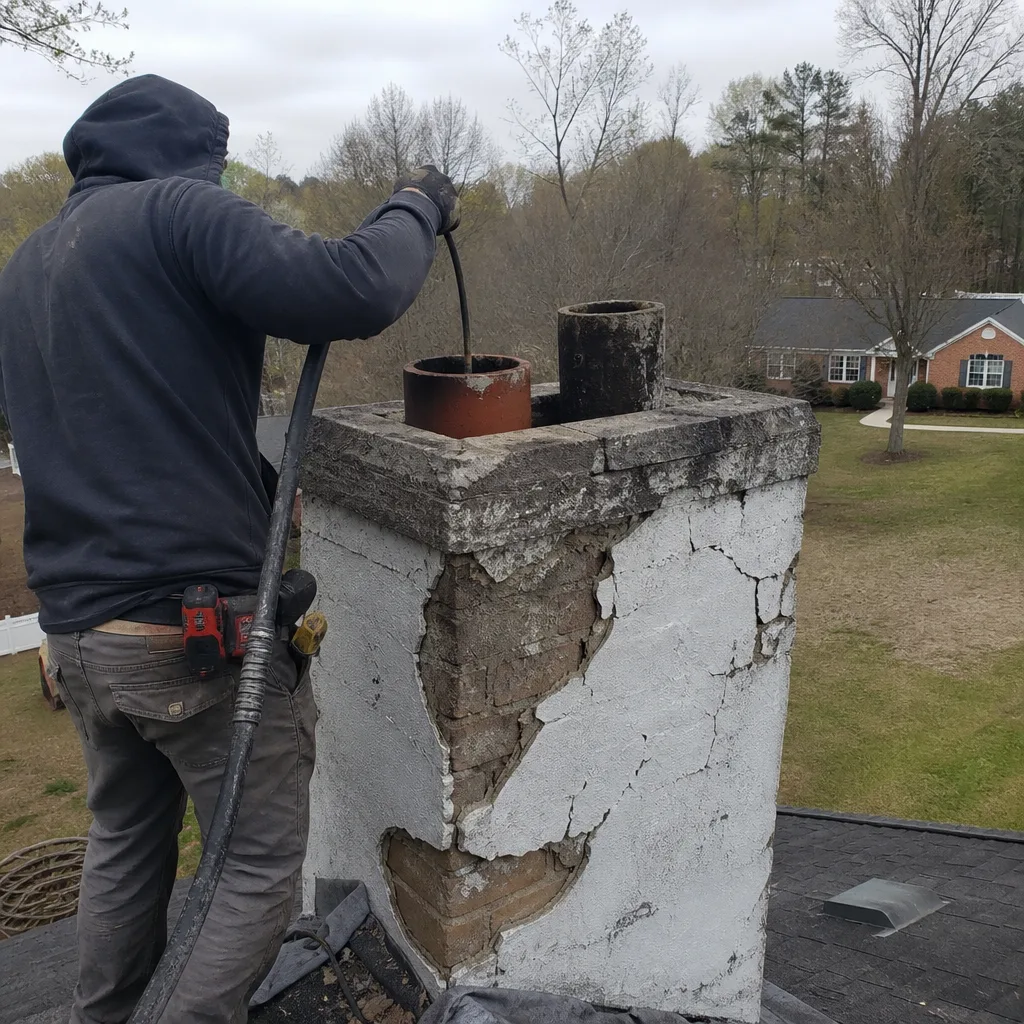 Before
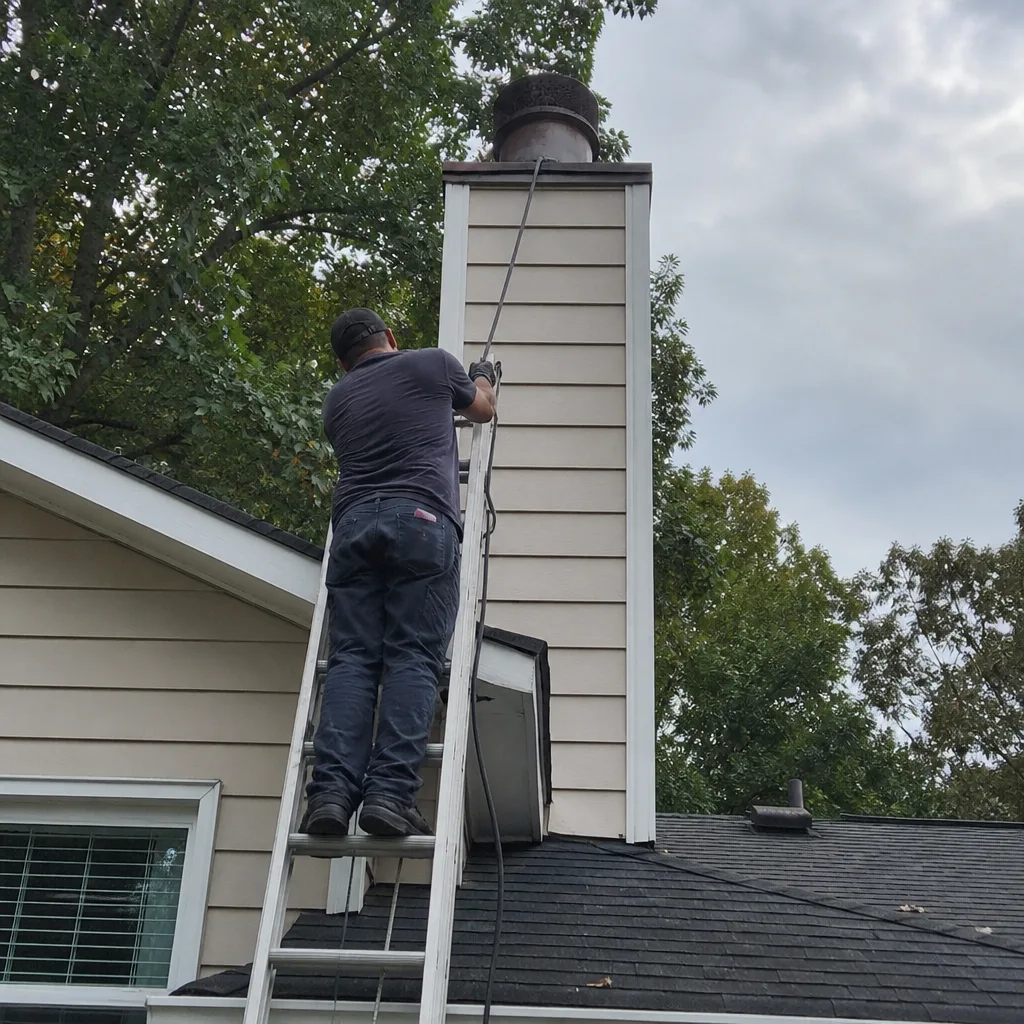 After
After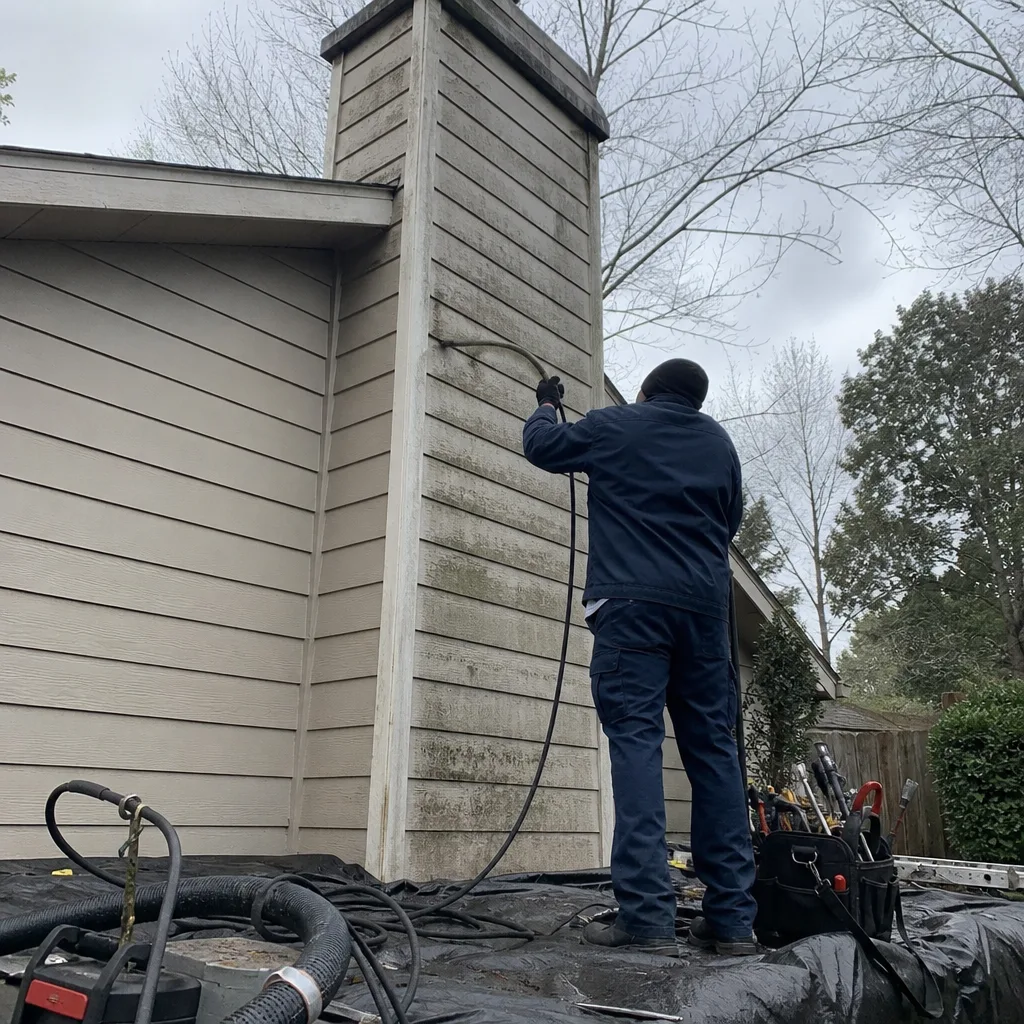 Before
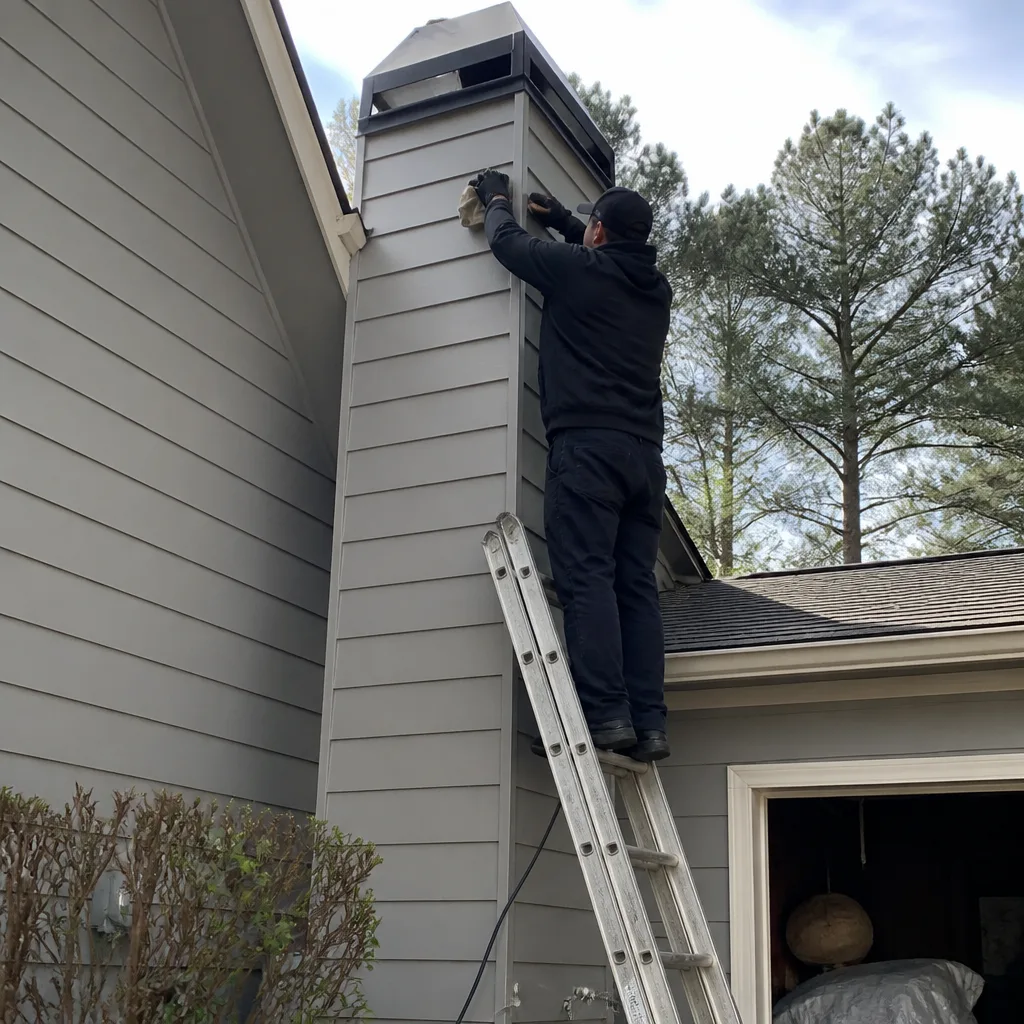 After
After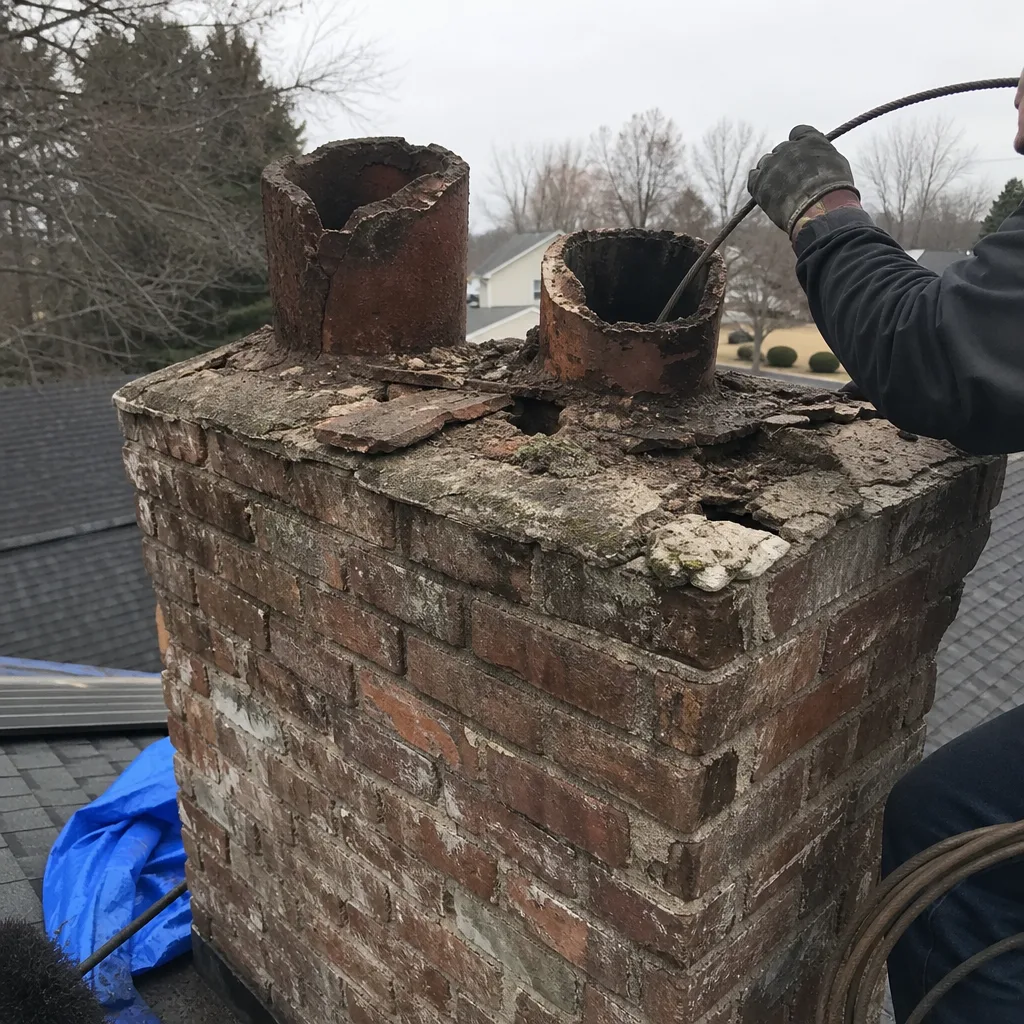 Before
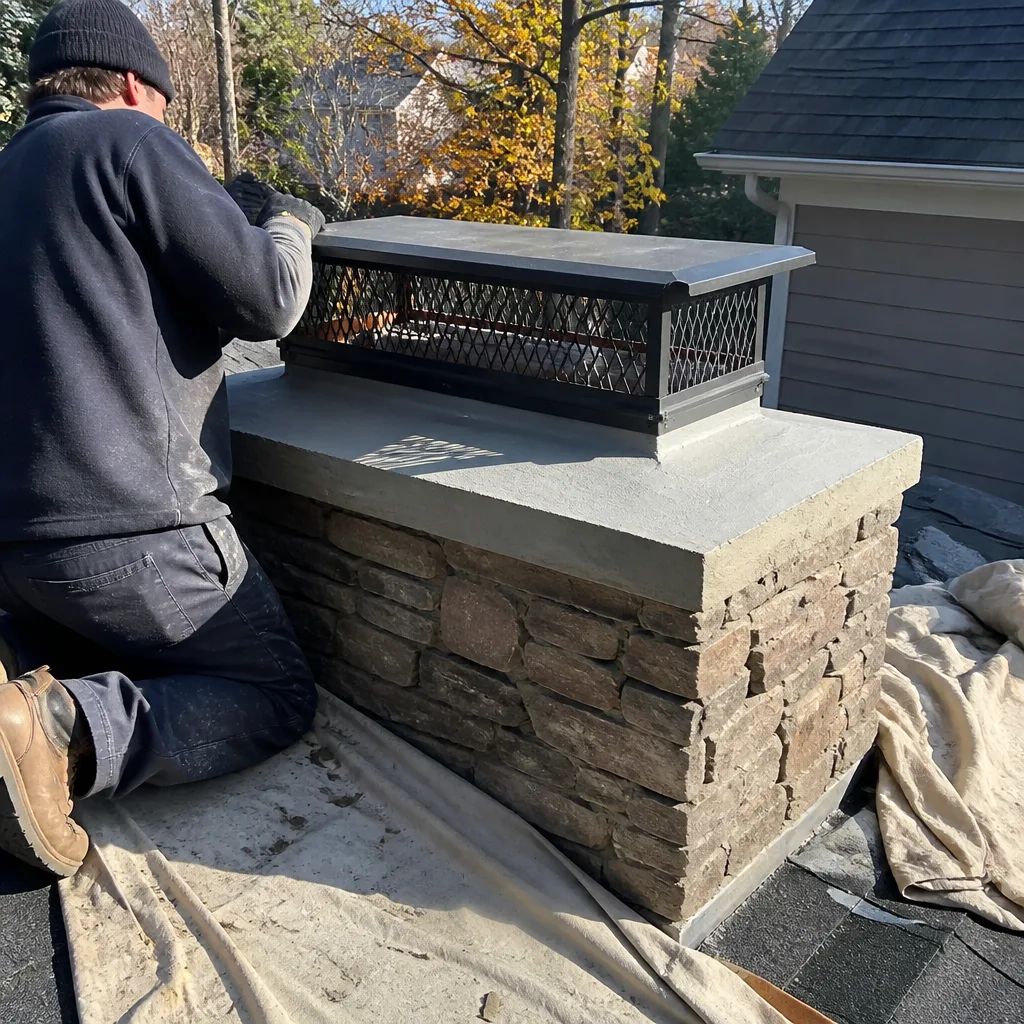 After
AfterSoot Removal in Kennesaw, GA
How Much Does Chimney Cleaning & Sweep Cost? (2026 Price Guide) - Kennesaw, GA: soot removal typically runs between $149 and $349, depending on flue length, soot accumulation depth, and whether a full camera-scan inspection is included. Most single-flue cleanings with soot removal are completed in one visit, usually under two hours. If you want a written price before anyone touches your chimney, call (678) 535-2204 – that’s how every job at Level Two Chimney Kennesaw starts.
Soot is the soft, powdery carbon byproduct that coats the inside of your flue liner every time you burn. Unlike creosote – which builds up in glazed, sticky, or tar-like layers – soot is the first stage of combustion residue, and it accumulates faster than most homeowners expect. A cord of wood burned through a single heating season can leave a measurable soot layer across your entire smoke chamber and flue. Left in place, that layer narrows your draft, acidifies your liner surface, and sets the table for heavier creosote to bind and harden on top of it.
Our Chimney Cleaning & Sweep in Kennesaw service covers the full system – firebox, smoke shelf, smoke chamber, damper, and flue – and soot removal is a core part of that work, not a separate upsell. Every visit includes a NFPA 211 Level 2 camera-scan inspection and a documented photo record when we’re done, both included as standard under Clause 4 of the Haven Standard. Corrine Halstead leads the team here, and the practice of documenting what we found – before and after – has been the default at Level Two since 2009.
When You Need Soot Removal
- You smell a persistent smoky or ashy odor inside the house. Soot that accumulates on the smoke shelf and smoke chamber walls off-gasses into living space, especially in Kennesaw’s humid summers when negative pressure pulls flue air downward through the firebox.
- Your fires are slow to draw and smoke occasionally rolls into the room. Even a quarter-inch soot layer on a 6-inch round liner reduces the effective flue diameter enough to noticeably cut draft, particularly in tighter, energy-efficient homes built after 2010 in developments like Shiloh Farms or Chastain Meadows.
- A chimney camera or inspector found a soot coating on your last visit. If the written report describes “light to moderate carbon deposits” or “soft black accumulation,” that’s soot – and it should come out before the next burn season so it doesn’t combine with moisture and etch your liner.
- You haven’t had a cleaning in more than 12 months and burned more than two cords last winter. The National Fire Protection Association standard (NFPA 211) calls for at least an annual inspection and cleaning when a fireplace is in regular use. In Kennesaw, where cool falls arrive quickly and homeowners tend to open the season in late October, skipping a pre-season cleaning is a common way to start the year with a compromised flue.
- You recently bought the home and have no documentation of the chimney’s condition. Resale inspections in Kennesaw’s active market frequently note “chimney condition unknown” or “recommend sweeping prior to use.” A soot removal and inspection gives you a written baseline – a documented photo record you own from the day you move in.
- You’re seeing black staining on the firebox face, damper plate, or around the hearth opening. That staining almost always traces back to soot that has built up past the smoke chamber and is being pushed back by draft reversal – a condition we see regularly in single-story homes on the west side of Kennesaw near the ridge line.
Our Soot Removal Process
- Written scope and price delivered before any work begins. Under Haven Standard Clause 1 (H.A.V.E.N. “Have it in writing”), you receive a written price, a written scope, and a written warranty before our tech opens a single tool bag. There is no “we’ll tell you after we look” pricing here. The number is on paper – or on your screen if you prefer digital – and it doesn’t move unless the scope changes and you approve the change first.
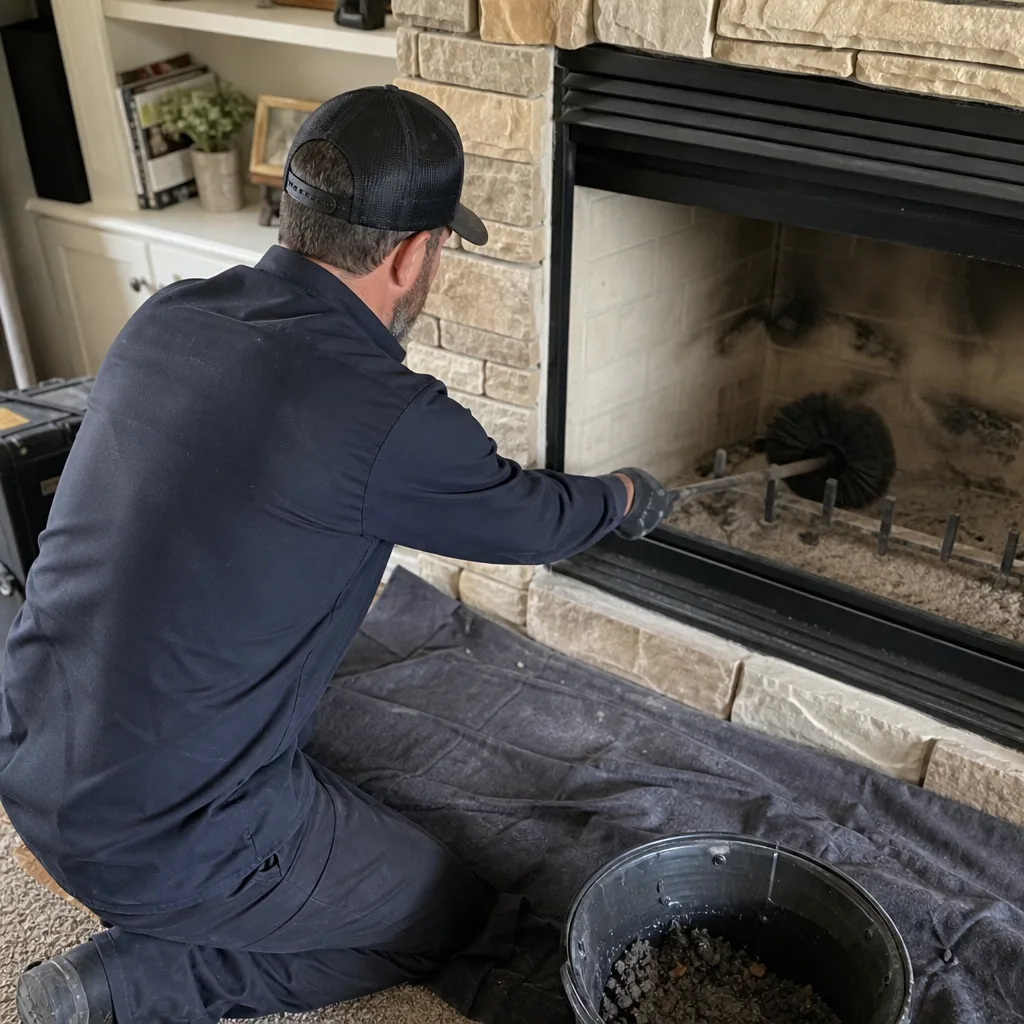
- Drop cloths and containment set up around the firebox. Soot is fine-particle carbon. It migrates. We put down drop cloths from the hearth through the traffic path to the front door, seal the firebox opening with a poly barrier attached to the facing, and connect a high-filtration HEPA vacuum to the firebox before we break loose a single deposit. Your floors, your furniture, and your air stay clean.
- Camera-scan inspection of the flue liner before cleaning starts. We run a video camera down the flue so we know exactly what’s there – the depth of soot accumulation, any creosote grade shift from soft black to sticky brown (Class II) or glazed tar (Class III), and the condition of the liner itself. This step matters because soot removal technique changes based on what’s underneath. If we find a spalled section of terracotta liner behind the soot, you see it on camera before the bill is written, not after.
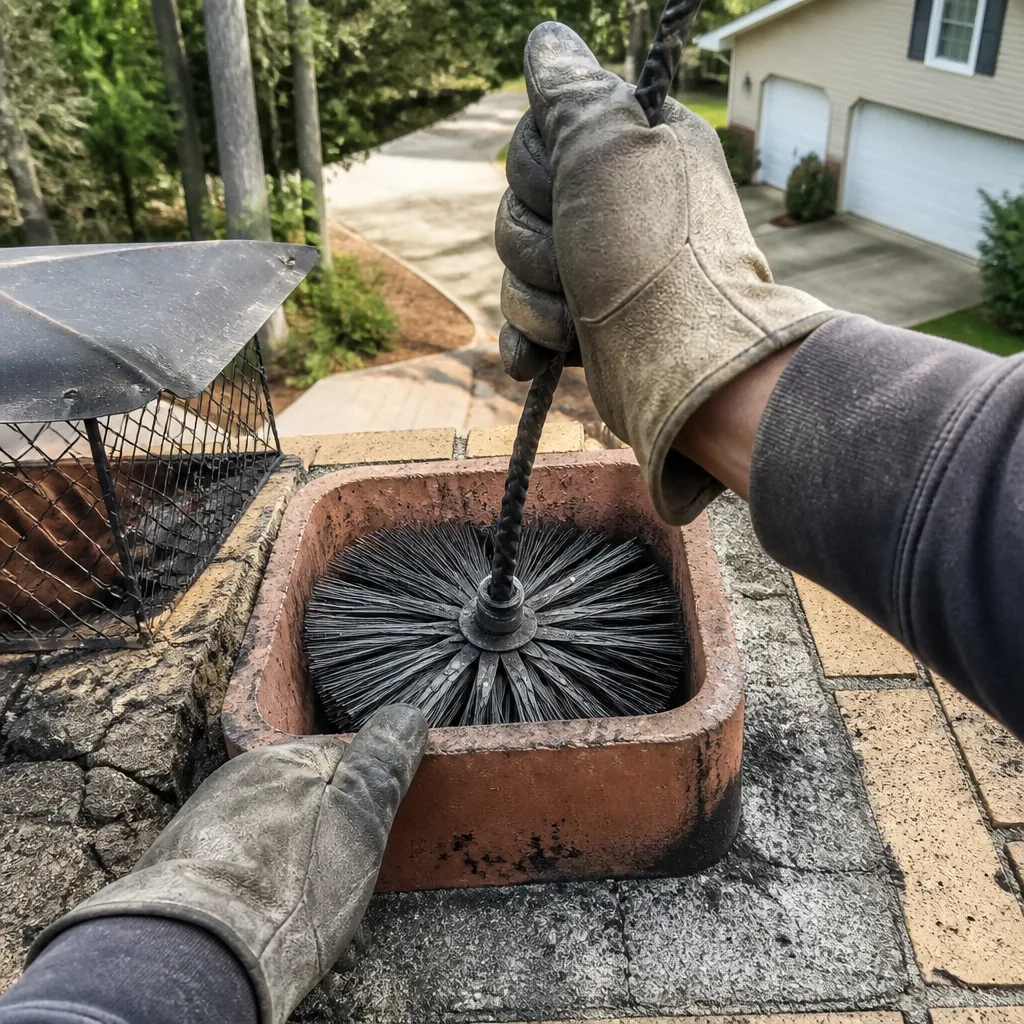
- Mechanical soot removal from the top down. Our techs use rotary brush systems – sized to your flue’s exact diameter and liner material – to break soot from the liner walls, then work it down through the smoke chamber and onto the smoke shelf, where it collects for extraction. Brushes are sourced to match liner type: round metal brush for terracotta tile, poly brush for flexible liner. Copperfield and Olympia Chimney supply the brush heads we carry most often because their sizing runs true to actual flue dimensions rather than nominal, which matters on older homes in Kennesaw where tile liners sometimes vary from their stamped spec.
- Smoke shelf and smoke chamber hand-cleaning. The smoke shelf – the horizontal ledge directly behind the damper – is where loose soot pools and where it mixes with rainwater and animal debris. We hand-clean this area with brushes and a wet/dry HEPA extraction rather than brushing it back down into the firebox. The smoke chamber walls above the damper get a close brush pass as well, because soot that clings to corbelled masonry here is a common source of the ashy smell Kennesaw homeowners notice in July and August.
- Post-cleaning camera scan and documented photo record. After the cleaning is complete, we run the camera again. You get before-and-after photo documentation of the flue condition – specific images of the liner, the smoke chamber, and the damper – as part of your job record. This is Clause 4 of the Haven Standard, and it’s been standard practice here since 2009. The record is yours: useful for insurance documentation, for the next buyer’s disclosure packet, or simply as proof that the work was done.
 Before
 After
AfterSoot Removal Pricing in Kennesaw
Soot removal in Kennesaw runs $149 to $349 for a single-flue system, with the final number depending on four main variables: flue height, soot accumulation depth, liner type, and whether a camera inspection is being added to the visit. Here’s how the ranges typically break out:
| Scope of Work | Typical Price Range |
|---|---|
| Single-flue soot removal, standard accumulation (camera included) | $149 – $229 |
| Single-flue soot removal, heavy accumulation or taller flue (15+ ft) | $229 – $299 |
| Double-flue soot removal (e.g., fireplace + furnace flue in same chase) | $279 – $349 |
| Soot removal with Class II creosote treatment added | $299 – $449 |
A few things that move the number up: homes with two-story chase heights over 20 feet (common in the Kennesaw Mountain area and in newer construction along Barrett Parkway), flues that haven’t been cleaned in more than two years, and systems where soot has combined with moisture and partially hardened into a soft creosote that requires rotary rod treatment rather than brush-only removal.
A few things that don’t move the number: the written price you’re given before work starts is the price you pay, unless you and the tech agree to add scope on-site and sign off on the change. The camera scan is included – it’s not a line item we use to pad the ticket. And the 365-Day Done Right Promise applies to the cleaning: if something was missed or done incorrectly, we make it right.
We offer a Free Second Opinion on any written estimate you’ve already received. Bring us a competitor’s written quote and we’ll tell you plainly whether it covers what it should, and what ours covers by comparison. Call (678) 535-2204 to schedule.
FAQs – Soot Removal
How is soot different from creosote, and does the distinction matter for cleaning?
Soot is loose, fine-particle carbon – the first stage of combustion deposit – while creosote is a condensed, progressive residue that moves through three stages: soft and sooty (Class I), sticky and tar-like (Class II), and glazed or hardened (Class III). The distinction matters a great deal for cleaning because each requires a different approach. Class I soot comes off with a standard rotary brush and HEPA extraction. Class II creosote needs chemical pre-treatment and typically a second rotation pass. Class III is a documented hazard – it’s the fuel behind chimney fires – and its removal involves specialized tools and, in some cases, an assessment of liner integrity before work proceeds. When we run the camera before cleaning starts, we note the class of what we find on your written scope so you know exactly what you’re paying for. Call (678) 535-2204 if you want us to identify what’s in your flue before you schedule anything.
How often should soot removal be done in Kennesaw’s climate?
NFPA 211 recommends Annual Sweep inspection and cleaning at least once a year for any fireplace in regular use, and Kennesaw’s climate adds a specific wrinkle: the combination of humid summers and cool-but-not-cold winters means many homeowners burn intermittently through a longer season rather than consistently through a shorter one. Intermittent burning at low fire temperatures produces more soot per cord than sustained hot fires because incomplete combustion leaves more unburned carbon in the flue gas. If you’re burning two or more cords a season, or if you’re using unseasoned wood – which is common in newly built neighborhoods where landscape clearing generates green wood that gets sold cheaply – an inspection at the start of the season and again mid-season is reasonable. At minimum: once a year, before you light the first fire of fall.
Is soot removal safe to DIY?
The cleaning itself isn’t dangerous the way spring-tension or high-voltage work is, but it is genuinely messy and technically specific enough that most DIY attempts result in soot throughout the living area and an incomplete cleaning of the smoke shelf and smoke chamber. The bigger concern is diagnostic: a homeowner with a brush kit can remove surface soot but has no way to document liner condition, identify a Class II creosote layer underneath, or flag a cracked tile that’s been concealed by deposit buildup. We’ve cleaned flues in Kennesaw – particularly in older homes off Jiles Road and in the Roberts Road corridor – where a competent-looking brush cleaning left a glazed creosote layer that wasn’t visible until the camera went in. The camera step is what turns a cleaning into a documented inspection, and that’s the step a DIY kit skips entirely.
What does the photo record actually include, and why does it matter?
The documented photo record you receive after every Level Two visit includes still images from the camera scan of the flue liner (top-to-bottom), close images of the smoke chamber and damper, exterior crown and cap condition, and the firebox interior. The record is dated, tied to your address, and delivered in writing – which means it functions as a verifiable baseline for insurance documentation, for future resale disclosure, and as proof for any warranty claim under the 365-Day Done Right Promise. Since 2009, across more than 38,000 chimney inspections and cleanings, this photo record has been Clause 4 of the Haven Standard on every job – not an optional add-on. If a competitor’s estimate doesn’t include documentation of what they found, that’s worth asking about before you schedule.
Why Level Two Chimney Kennesaw
The name is the standard. Level Two refers to the NFPA 211 Level 2 inspection – camera down the flue, written findings, documented photo record – which is what we do on every Chimney Cleaning & Sweep services visit, not just on the jobs where something looks wrong. Most sweep companies bring a flashlight. We bring a camera, a written price, and a record when we leave.
Corrine Halstead has built this operation around one idea: the customer should know what’s in their chimney and what it costs to address it before they agree to anything. That idea is encoded in the Haven Standard. It’s why the written price comes before the work, why the camera runs before and after the cleaning, and why the 365-Day Done Right Promise isn’t a marketing phrase – it’s Clause 4’s guarantee that the photo record will show the difference between what we found and what we left.
Since 2009, every job has started with a written price and ended with a documented record. More than 38,000 chimneys in and around Kennesaw. The process doesn’t change based on how small the job looks from the street.
If you have a competitor’s written estimate and want a free second opinion, we’ll look at it. If you want to know what’s in your flue before you decide anything, search Chimney Cleaning & Sweep Near Me in Kennesaw, GA and call us to schedule the camera scan. Either way, you get a written price before we start – and a written record when we’re done.
Call (678) 535-2204 to schedule soot removal in Kennesaw. Live phone support, 24 hours a day, 7 days a week – no voicemail, no web form holding your call in a queue. If you’d like to start on the home page and read through what the Haven Standard covers before calling, that’s there too. Estimates are free, and the price we give you before we start is the price on your invoice when we’re done.
Written by Corrine Halstead, Owner at Level Two Chimney Kennesaw, serving Kennesaw.